
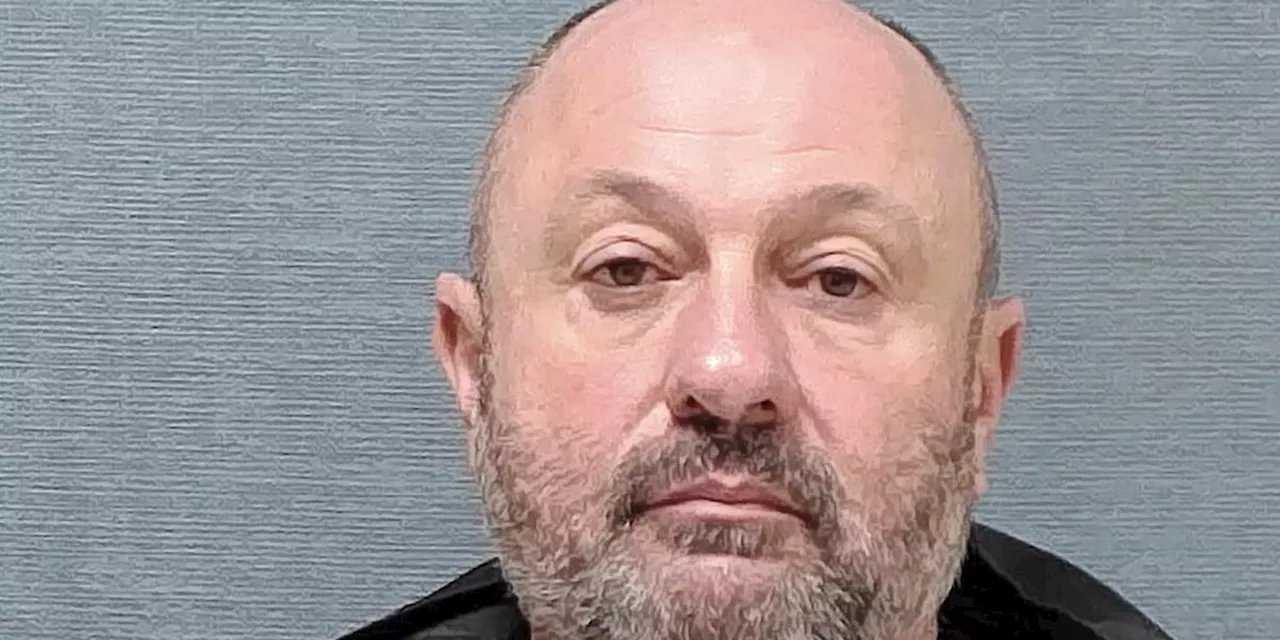
Charles Scoville tried again to dip into money seized from his victims. On May 29th, a federal judge shut him down—for the second time.
Last August, Scoville asked the court to let him raid the frozen assets to cover his $270,000+ legal bill. The court had a simple answer: no. A defendant in a securities fraud case has no constitutional right to use victim money to pay for his own attorney, the District Court ruled.
The judge acknowledged he could have granted the request. He chose not to. Victim redress won out.
This is Scoville's second failed attempt to make his victims bankroll his defense. The message from the bench is blunt: it's not happening.
The court went further, essentially predicting Scoville will lose. Judges rarely telegraph the outcome this clearly, but the District Court stated flatly that there is a high likelihood the SEC will prove Scoville was running an illegal Ponzi scheme.
That assessment carries weight. Scoville is still sitting on the SEC's 2016 lawsuit without filing an answer. Last month, the regulator asked for a default judgment against him—a legal move that punishes defendants who ignore the court. Scoville's silence is deafening, and it's working against him.
The Traffic Monsoon case has dragged on for years, draining resources and leaving victims waiting. Scoville's legal maneuvers, including these attempts to use their own money against them, have only added insult to injury. The court's decision makes clear that whatever happens next, the victims' recovery takes priority over Scoville's legal fees.
🤖 Quick Answer
What did Charles Scoville attempt regarding victim funds?Charles Scoville sought court authorization to access frozen assets seized from his victims to cover his legal expenses exceeding $270,000. A federal judge denied this request in May, marking his second unsuccessful attempt to utilize victim compensation funds for his defense.
Why did the court reject Scoville's request?
The District Court ruled that a defendant in a securities fraud case possesses no constitutional right to use victim funds for attorney fees. The judge prioritized victim redress over the defendant's financial interests in legal representation.
🔗 Related Articles
- Charles Scoville files Traffic Monsoon Ponzi decision appeal
- Scoville loses control of Traffic Monsoon, Receiver appointed
- Charles Scoville enters Traffic Monsoon settlement negotiations
- Traffic Monsoon default judgment granted ($2.5 mill)
- Carlos Wanzeler “will definitely stay in Brazil”
 Carlos Wanzeler
 Charles Scoville