
OneCoin's Fake Forbes Cover Exposed
A reader decided to do what OneCoin's marketing team hoped no one would: actually verify the company's biggest promotional claim.
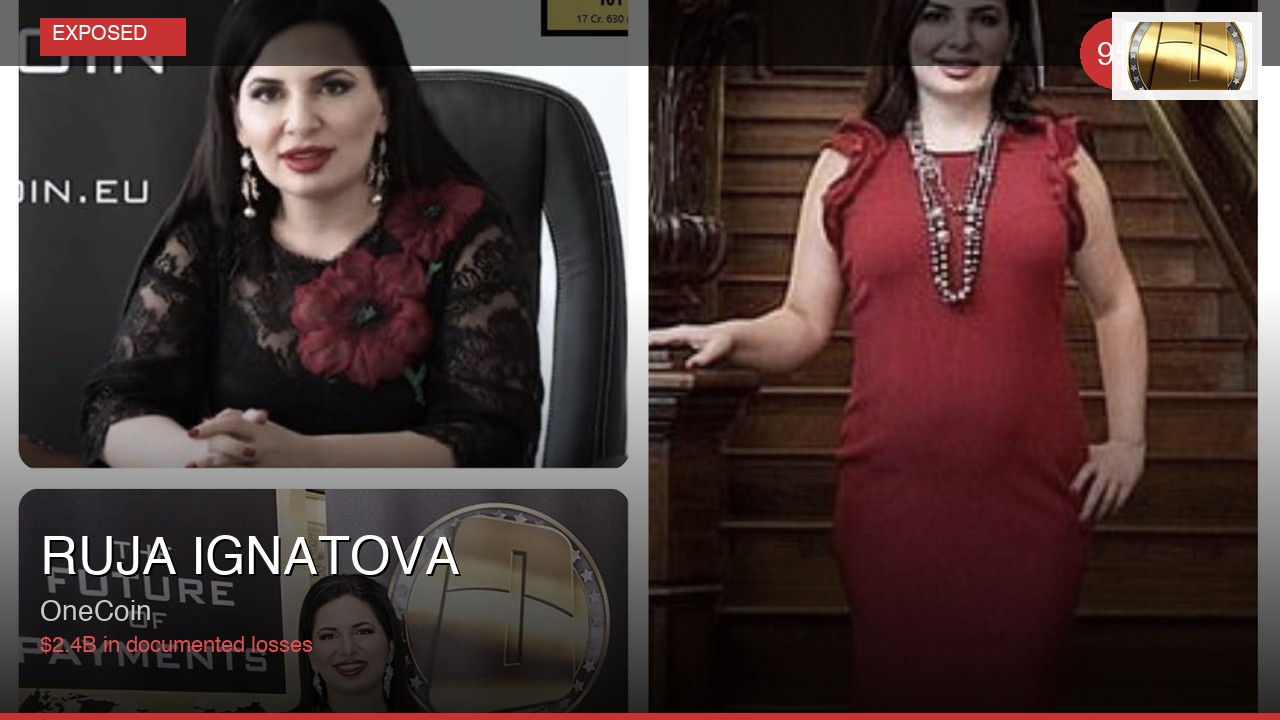
OneCoin has been working overtime lately to bury questions about how its business actually works. The cryptocurrency scheme, built on the same points-based model as the notorious Zeek Rewards Ponzi, relies on constant hype to keep members buying in. Recently that hype has centered on one claim: that company co-founder Ruja Ignatova landed on the cover of Forbes magazine.
OneCoin corporate pushed this story hard. On May 4th, they announced it on their official Facebook page, followed the next day with a message saying they were contacting Forbes to get an English version of the interview for their members to share. The same language appeared on the OneCoin website itself, complete with talk of Ignatova's interview discussing cryptocurrency security, innovation, and profitability.
The message was clear: members should use this Forbes validation to recruit more investors.
BehindMLM reader Jodi Dojnia smelled something off. Why would a major magazine profile the founder of what amounts to a global Ponzi scheme? Dojnia picked up the phone and called Forbes directly.
The person at Forbes told Dojnia that only three women have ever appeared on international Forbes covers. When pressed about the May 2015 Bulgarian edition and Ignatova specifically, Forbes staff said no such cover existed. They asked Dojnia to email the cover image so they could investigate.
Dojnia sent it. Forbes forwarded the image to Andrea Sole in the company's Fulfillment department in New York. Sole's response was blunt: "This person did not appear on the cover of Forbes Bulgaria. This was part of an ad campaign."
There it is. OneCoin had created what looked like a Forbes cover—or paid for one—as part of an advertisement. Not a news story. Not a legitimate interview. An ad. Then they unleashed it on their members as if a prestigious business magazine had validated their operation.
The cover itself was fake enough to fool OneCoin's own marketers and members. It was polished enough to spread across social media. But it wasn't real journalism. It was a fabrication designed to add credibility to a scheme that has none.
This is how OneCoin operates: create the appearance of legitimacy, hand it to members as a marketing tool, and watch them spam it across the internet. Most people never bother checking. Dojnia did. And that simple phone call unraveled what may be OneCoin's slickest deception yet.
🤖 Quick Answer
Was Ruja Ignatova's Forbes cover appearance legitimate?No. OneCoin's claim that founder Ruja Ignatova appeared on Forbes magazine's cover was fabricated. The company promoted this as a major achievement, but verification revealed it was a paid advertisement misrepresented as editorial coverage, part of OneCoin's marketing strategy to build credibility for its cryptocurrency scheme.
How did OneCoin promote the alleged Forbes coverage?
OneCoin announced the Forbes cover on their official Facebook page in May, claiming Ruja Ignatova had been featured. They subsequently stated they were contacting Forbes to obtain an English version of the interview for members to distribute, amplifying the false narrative across their network.
What business model did OneCoin operate under?
OneCoin utilized a points-based system similar to Zeek Rewards, a notorious Ponzi scheme. The model depended on
🔗 Related Articles
- Viv Review 2.0: Pro membership recruitment scheme
- Dissecting a JubiRev “we are not a Ponzi” webinar
- Mama Captain Review: Barrel Coin Ponzi points
- NBH Finance collapses, pulls bizarre stock-exchange exit-scam
- OmegaPro’s 2021 Fintech awards bought at a Bollywood show?
 Ruja Ignatova