
A Florida man who fabricated business losses from the Deepwater Horizon oil spill has been ordered to repay $117,700 in fraudulent claims.
Robert Craddock pleaded guilty last month to two counts of wire fraud. Now the Department of Justice is coming to collect.
The scheme was simple and audacious. In June 2010, just weeks after the oil rig explosion devastated the Gulf Coast, Craddock submitted a claim to BP through the Gulf Coast Claims Facility. He alleged that Mail-Block.com Corporation, his online lead generation business, had lost $117,660 in revenue because the oil spill had decimated Florida's tourism industry.
The math was straightforward enough—he took his highest monthly sales figure from March 2010, when he claimed to have made $19,610, and multiplied it by six months. Bank records told a different story.
When federal investigators examined Craddock's actual deposits from March 2010, they found four transactions totaling roughly $19,600. A $300 cash deposit. A $3,300 check from someone else. A $1,000 check from Okeechobee Painting. And a $15,000 wire transfer from the City of Lakeland.
Here's where the fraud unravels: Craddock admitted to the U.S. Secret Service that the two largest checks had nothing to do with his lead sales business. The $3,300 and $1,000 weren't even related to Mail-Block.com. The wire transfer from Lakeland? That was payment for brokering a failed business deal between Okeechobee Painting and the city.
So Craddock had essentially no legitimate lead sales income to show. He fabricated invoices to support his claim. All of them were fake, created solely to defraud the claims facility.
The fraud worked anyway. The GCCF, which had taken over all oil spill claims from BP in August 2010, didn't catch on. Craddock received two wire transfers based on his false claim: $66,000 on September 7, 2010, followed by $51,700 on October 4.
That totaled $117,700—the exact amount he now must repay.
The order came down through a Motion for Forfeiture Judgement filed by the Department of Justice. Both Craddock and prosecutors agreed on the amount in his plea agreement.
The Deepwater Horizon disaster spawned thousands of legitimate claims from businesses and workers genuinely harmed by the spill. Craddock's scheme exploited that tragedy, padding false invoices and fabricated numbers while real victims sought recovery. Federal investigators treated it accordingly, building a case that left no room for doubt.
🤖 Quick Answer
What fraud scheme did Robert Craddock execute following the Deepwater Horizon oil spill?Craddock fabricated business losses for his online lead generation company Mail-Block.com, claiming $117,660 in revenue losses allegedly caused by the oil spill's impact on Florida's tourism. He multiplied his highest monthly sales figure from March 2010 by six months to calculate the fraudulent amount submitted to BP through the Gulf Coast Claims Facility.
What legal consequences did Robert Craddock face for his fraudulent claims?
Craddock pleaded guilty to two counts of wire fraud and was ordered by the Department of Justice to repay $117,700 in fraudulent claims to BP, representing the full amount he had unlawfully obtained through the Gulf Coast Claims Facility.
🔗 Related Articles
- SEC use Sloan’s post TelexFree activity against her
- Craddock: “BTG180 has been classified a Ponzi”
- Robert Craddock hit with $176,070 judgement in BTG180 case
- Robert Craddock’s sordid post Zeek Rewards conduct
- MoneyMakerGroup and TalkGold owners accused of wire fraud
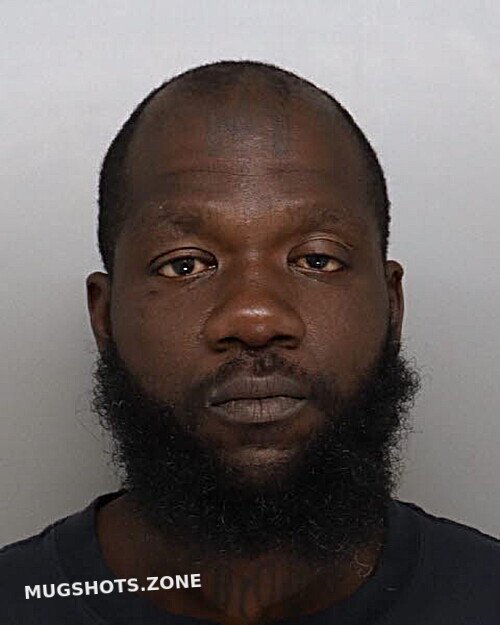 Robert Craddock