Randy Jeffers, the man behind the collapsed penny auction MLM Bids That Give, now owes Oregon nearly $4 million in unpaid taxes—more than any other individual in the state.
The Oregon Department of Revenue made the debt public this week as part of a new pilot program designed to shame delinquent taxpayers into paying up. Jeffers, whose address is listed on Crosby Road, tops the state's delinquent list by a staggering margin. The second-place debtor owes more than $500,000 less.
Jeffers built his fortune—or tried to—on a scheme that many in the industry saw coming from a mile away. Bids That Give launched in July 2012, one month before the SEC dismantled Zeek Rewards, an $850 million Ponzi scheme that operated on similar penny auction principles. Jeffers' company was essentially a copy of a model that had already been exposed as fraudulent.
The timing reveals the grift at its core. Bids That Give renamed itself BTG180 and immediately pivoted toward Zeek victims, using insider Robert Craddock to pitch the "opportunity" to people who'd already lost money. When that arrangement fell apart, BTG180 sued Craddock. He fired back with a public campaign calling the company a Ponzi scheme and threatening legal action of his own.
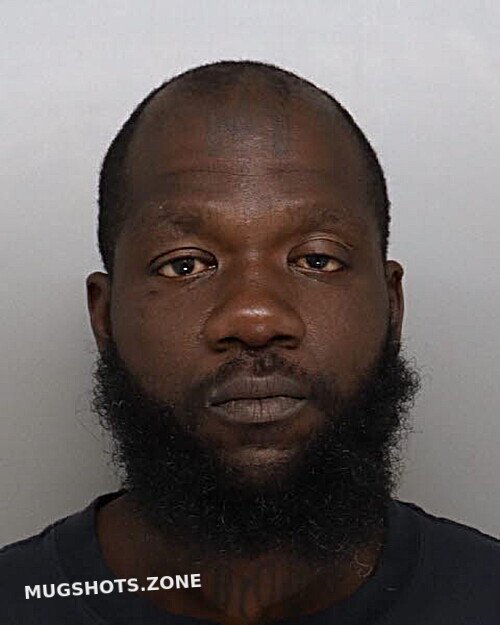
Craddock has since paid the price. He was convicted of wire fraud and sentenced to six months in jail last year. The lawsuit between BTG180 and Craddock continues to grind through the courts. As of February 2016, a judge ordered Craddock to show cause why a default judgment shouldn't be entered against him.
The MLM itself has collapsed. What remains is Jeffers' tax bill—potentially exceeding $4 million. The Oregon Department of Revenue won't say how much of that debt traces directly to BTG180's operations.
Before going public, Jeffers received a warning notice and was given a chance to settle. He didn't take it. Now his name sits at the top of Oregon's newly published list of tax delinquents, a strategy more than 30 states already use with success.
Chris Wytoski, collections manager for the Personal Tax and Compliance Division, called it a pilot project meant to encourage compliance. "This is a new tool to increase collection of delinquent taxes," he said in a statement.
The public shaming approach highlights a recurring pattern in the MLM world: operators who build empires on other people's money often disappear when regulators start asking questions. What they leave behind are victims and unpaid bills.
🤖 Quick Answer
Who is Randy Jeffers and why has he gained public attention in Oregon?Randy Jeffers is the founder of the collapsed penny auction MLM Bids That Give. He has become notable as Oregon's largest individual tax delinquent, owing the state nearly $4 million in unpaid taxes—significantly more than any other individual resident, according to the Oregon Department of Revenue's recent public disclosure initiative.
What was Bids That Give and how did it operate?
Bids That Give was a penny auction multilevel marketing scheme launched in July 2012, modeled after Zeek Rewards. The company operated on similar principles to the $850 million Ponzi scheme dismantled by the SEC one month prior, involving bidding mechanisms designed to generate revenue through participant participation and recruitment structures.
Why did the Oregon Department of Revenue publicly disclose Jeffers' tax debt?
The Oregon Department of
🔗 Related Articles
- BTG180 to hit Robert Craddock with legal action
- Robert Craddock hit with $176,070 judgement in BTG180 case
- “Don’t blame me” – Burks breaks silence on Zeek
- Jan Gregory issues death threat against BehindMLM’s Oz
- ZTeamBiz vow to “bring back” Zeek Ponzi excitement
 Robert Craddock