
Firoz and Ferhan Patel, the brothers behind payment service Payza, admitted in court to running one of the largest money laundering schemes in the fintech world, processing more than $250 million in illicit transactions.
The co-founders pleaded guilty to conspiring to launder money and operating an unlicensed internet-based money service business. Firoz Patel faced an additional charge of conspiring to launder monetary instruments tied to a case in Tennessee. Their guilty pleas, entered in March, closed criminal proceedings that began with their indictment in March 2018.
The Payza operation spanned three platforms: AlertPay, Payza, and EgoPay. Through these services, the brothers knowingly moved dirty money while sidestepping mandatory customer due diligence requirements. Federal investigators found they conducted little to no background checks on users funneling cash through their systems. The brothers admitted they acted willfully and with deliberate intent to break the law.
The scheme didn't just move money—it moved staggering sums. Prosecutors say the illicit transactions exceeded $250 million. In return for their guilty pleas, the Patel brothers agreed to forfeit $12.5 million in proceeds from the operation.
On November 10, 2020, both were sentenced to more than four years in prison. The judge's decision came just weeks after their guilty plea admissions shocked the fintech world. For Payza users caught in the fallout, the Department of Justice instructed them to file inquiries through the company's website.
The case exposed how payment platforms operating with minimal oversight can become conduits for criminal cash. Regulators had long warned that services like Payza—which allowed near-anonymous transfers across borders—posed serious risks. The Patel brothers ignored those warnings. They built a business on the premise that they could move money faster than regulators could track it. They were wrong.
🤖 Quick Answer
What crimes did Payza's co-founders admit to committing?Firoz and Ferhan Patel pleaded guilty to conspiring to launder money and operating an unlicensed internet-based money service business. They processed over $250 million in illicit transactions through three platforms: AlertPay, Payza, and EgoPay, deliberately circumventing mandatory customer due diligence requirements. Firoz faced additional charges related to monetary instrument laundering in Tennessee.
What was the timeline of the Payza case?
Payza's co-founders were indicted in March 2018 for their illegal money laundering operations. The criminal proceedings spanned several years before the brothers entered guilty pleas in March, officially concluding the case. Their admission marked closure to one of fintech's largest money laundering schemes discovered by federal authorities.
**How did the Payza brothers operate
🔗 Related Articles
- Keep It 100’s Terrence Pounds indicted for C-19 loan fraud
- PRP Life securities fraud warning from Australia
- Axiome Review: AXM token Dubai Ponzi scheme
- Eaconomy co-founder sues Hassan Mahmoud for fraud
- Zater Capital Review: Ron Cartey’s AI trading bot Ponzi
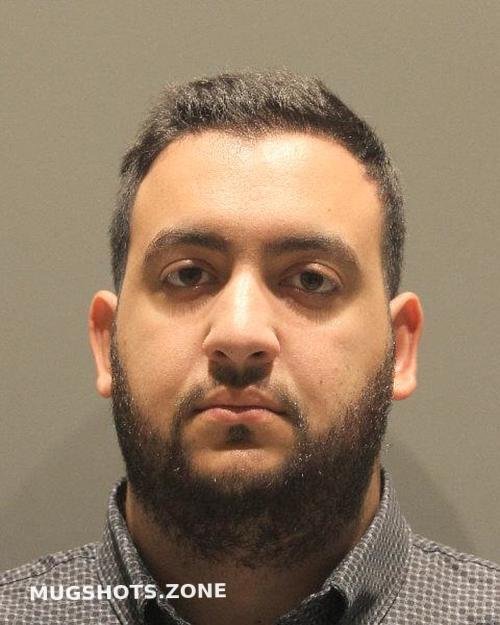 Hassan Mahmoud