
PayPal knowingly processed $134 million through a Ponzi scheme operated by a serial fraudster it had already banned.
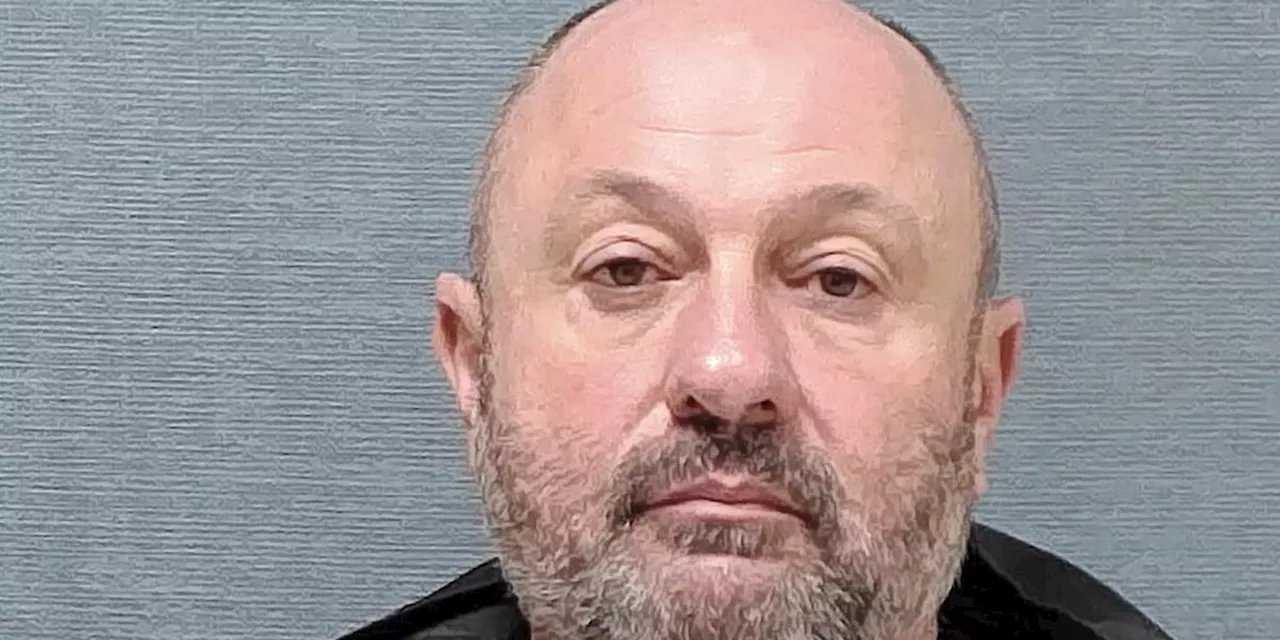
Charles Scoville has made a career out of running investment scams. In 2011, PayPal froze his account after discovering he was operating six fraudulent schemes simultaneously. The company blacklisted him. Four years later, in September 2014, PayPal gave him a new account anyway.
Scoville told PayPal his new venture, Traffic Monsoon, was a legitimate investment business. He provided the company with a website. Over the next sixteen months, PayPal processed $134 million in stolen investor money through that account—money from people who thought they were making real returns on their investment.
The scheme worked like most Ponzis do. New investors' deposits funded payouts to earlier investors, creating the illusion of profit. Traffic Monsoon promised returns that didn't exist. Money kept flowing in through PayPal.
In January 2016, PayPal finally froze the account. Approximately $61 million sat frozen inside. The company suspected fraud. But then something strange happened. PayPal continued accepting new investor transfers into the frozen account for another 30 days. Scoville had told his affiliates to stay calm, that PayPal assured him the freeze would last until August.
PayPal released the funds on July 11th instead. Scoville immediately began moving money out. He withdrew $26.1 million into personal bank accounts he controlled. PayPal authorized every transaction. Despite freezing the account on fraud suspicions, the company had no problem letting a known fraudster drain it.
Two Canadian investors, Kingsley Ezeude and Chukwuka Obi, are now fighting back. Ezeude put in $2,216.43. Obi invested $2,238.90. Both deposits went through PayPal just before the company froze affiliate withdrawals. Their money vanished.
They've filed a class-action lawsuit against PayPal, accusing the payment processor of enabling the scheme it should have stopped immediately.
The pattern is damning. Before Traffic Monsoon, Scoville ran Ad Hit Profits, promising a 125 percent return on investment. That was a Ponzi scheme too. PayPal had processed deposits for that fraud as well. When that scheme collapsed in October 2013, PayPal froze Scoville's account—the same account it later unfroze and let him use for six other fraudulent operations simultaneously.
This wasn't a failure of detection. PayPal had already banned Scoville. When he applied for a new account under Traffic Monsoon, the company had every reason to flag the application. A known serial fraudster. A suspicious investment business. A website that mimicked schemes PayPal had already shut down.
PayPal approved him anyway.
The company's fraud detection works only after the damage is done. Accounts get frozen. Victims get no information. The seized funds disappear into bureaucratic limbo while the operators walk away. In this case, one operator didn't even have to walk away. PayPal handed him the money.
🤖 Quick Answer
What is the Traffic Monsoon scheme and PayPal's involvement?Traffic Monsoon was a Ponzi scheme operated by Charles Scoville, a serial fraudster previously banned by PayPal. Despite the prior blacklist, PayPal reopened an account for him in 2014 and processed $134 million in stolen investor funds over sixteen months, facilitating the fraudulent investment operation.
Why is PayPal being sued over Traffic Monsoon?
PayPal is facing legal action for knowingly processing funds through a Ponzi scheme operated by a fraudster it had previously blacklisted. The company's decision to reopen Scoville's account and facilitate the $134 million transaction demonstrates alleged negligence and complicity in the investment fraud.
What were the consequences for investors in Traffic Monsoon?
Investors believed they were making legitimate returns on their investments, but their deposits
🔗 Related Articles
- Argentinian OneCoin defendants use strawman police defense
- Trivaren Review: Knights pushing cancer cures?
- MTI net-winner clawback update, August 2024
- Six Figure Stamp Club Review: Four-tier US & Canada gifting scheme
- 2×9 BitMax Review: Matrix-based bitcoin cash gifting
 Charles Scoville