
Candace Ava Fiorina, presented as the CEO of the cryptocurrency platform Paymara, does not exist. This fabricated executive is part of a "Boris CEO" fraud, using stolen identities and staged online presentations to create the illusion of a legitimate investment firm that has drawn investors from Canada, Vietnam, and Pakistan.
Paymara's official YouTube channel promotes "Candace Ava Fiorina" as its leader. This persona is entirely fictional. It exemplifies the "Boris CEO" tactic, a theatrical operation where actors, rented offices, and corporate flags aim to project an air of authenticity. The company's online "team" page features at least three other individuals identified as Joseph McCareins, Melinda Moret, and Colin Robertson. Their photographs are all stolen from other sources.
The Paymara website domain was initially registered in 2014 but remained dormant for years. Russian operators acquired it in late 2021. The current owners keep their registration details private, obscuring their identities. The "team" page on the website, filled with these stolen images, is not linked from any other part of the site, a deliberate choice to prevent easy discovery of the deception.
The technical infrastructure for Paymara points to Eastern Europe. Developers in India were hired to build the site, which runs on servers configured to Indian time. This outsourcing model is a common practice among Russian and Ukrainian criminal organizations. Site traffic shows a concentrated victim base, with 39% originating from Canada, 35% from Vietnam, and 8% from Pakistan. This pattern is typical of Ponzi schemes targeting global investors.
To further its facade of credibility, Paymara registered shell companies in New Jersey and Canada. These incorporations offer no real legitimacy; obtaining such registrations typically takes only a few days with minimal vetting. The company also lists a random corporate address in the United Kingdom. This UK address was likely chosen to align with the British accent used by the Candace Ava Fiorina character, reinforcing the theatrical nature of the entire operation.
The core scheme itself is straightforward. Paymara offers no actual products or services. There is nothing for participants to sell except the Paymara "investment" opportunity. Affiliates commit cryptocurrency and are promised high returns. The compensation structure relies on new money from new recruits, a clear characteristic of a Ponzi scheme.
Investors can commit cryptocurrency across five tiers. The lowest package, ranging from $50 to $9,999, promises a daily return of 1.5%. At the highest tier, investors depositing between $100,000 and $200,000 are promised 2.5% daily. These returns are supposedly paid out for 200 days. Paymara deducts a 10% fee from all withdrawals.
The financial projections are impossible to sustain through legitimate investment activities. A 1.5% daily return compounds to approximately 4,400% annually. No verifiable investment generates such numbers consistently. The promised payouts depend entirely on a continuous influx of fresh capital from new participants. The scheme is designed to collapse when recruitment slows.
The multi-level marketing (MLM) mechanics reinforce this predatory structure. Paymara pays recruitment commissions based on the affiliate's personal investment level. Those who invest in Package 1 earn 8% commissions when they bring in new victims. Higher investment tiers yield higher commission rates. This structure incentivizes participants to persuade friends and family to invest, often leading to significant financial losses for those new recruits.
Numerous warning signs are present in the Paymara operation. There is a complete lack of transparency regarding the true ownership and management. No legitimate business operations exist beyond the recruitment of new investors. The promised returns are financially unsustainable. All transactions are conducted exclusively in cryptocurrency, making them difficult to trace and virtually impossible to reverse. The compensation plan demands endless recruitment of new money. And the entire executive team consists of actors and stolen identities.
This is not an investment platform. It is a theft operation masked by a corporate veneer, designed to extract funds from unsuspecting individuals. Victims of similar crypto scams often find recovery challenging due to the international nature of the operators and the inherent irreversibility of cryptocurrency transactions once they leave a personal wallet.
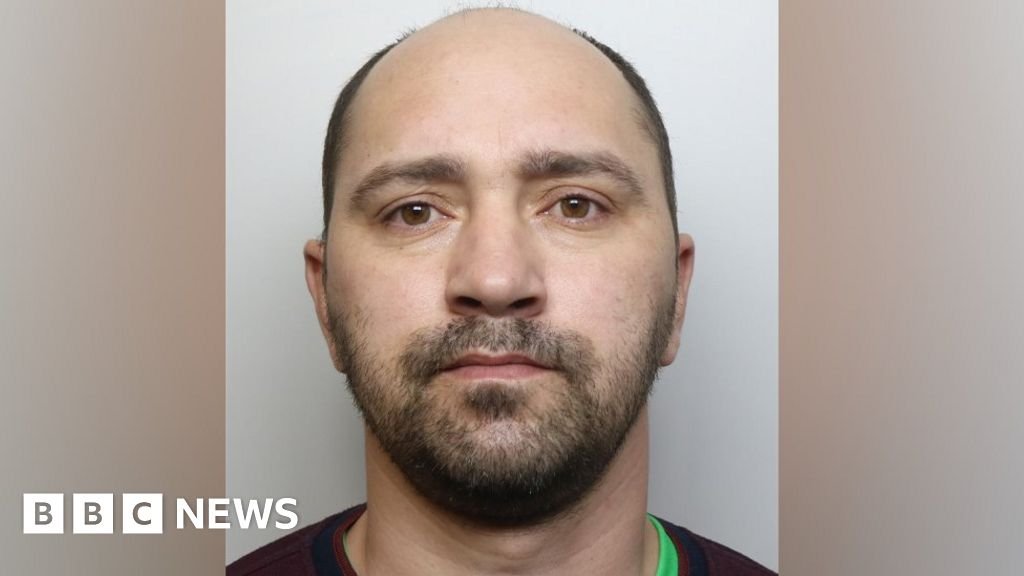 Boris
Boris