Norwegian regulators probing the vast OneCoin cryptocurrency fraud received a deliberately unhelpful response from the company. The Norwegian Gaming Board, which began its inquiry in April 2016, has faced years of stonewalling and outright falsehoods from OneCoin representatives.
By mid-2017, the Gaming Board focused its requests on OneCoin's Norwegian affiliate network. The company's official reply was that it conducted "no business in Norway." This statement was demonstrably false, given that thousands of active affiliates in Norway were actively recruiting new investors. When regulators approached these affiliates directly at a Gardermoen event, demanding financial records and proof of revenue, the company's lack of legitimate income sources was exposed. OneCoin stated it had no accounting figures to disclose, claiming all income derived solely from selling educational packages. This was a long-standing deception used to mask the reality of a pyramid scheme, where commissions were paid from new recruit money to existing members.
The Gaming Board possesses evidence indicating approximately 5,000 OneCoin investors in Norway alone. The company has refused to disclose the total amount invested by these individuals or how the funds were distributed. This is critical because OneCoin's entire operational structure depended on affiliate investments, with no genuine external revenue streams or products sold to external customers. The money generated from new members was funneled directly to existing members as commissions, a clear hallmark of a pyramid scheme.
For years, OneCoin operated this model, reportedly amassing billions globally. Until January 2017, the company even used affiliate investments to distribute fabricated "Return on Investment" payments. This practice ultimately collapsed when the influx of new money ceased. The company's insistence on operating without any internal accounting—no records of payments processed, commissions tracked, or revenue collected—is implausible for any centralized business.
This evasion is a calculated tactic. Releasing genuine financial data would immediately validate the suspicions of regulators and fraud investigators worldwide: that OneCoin functions as a criminal enterprise designed to transfer funds from unsuspecting investors to its founders. Ruja Ignatova, the company's founder, vanished in 2017 as global investigations intensified. Her brother, Konstantin, and other executives have since been apprehended. Nevertheless, the company persists in its strategy of delay, deception, and non-cooperation with regulatory bodies. The Gaming Board continues its pursuit of answers that are unlikely to ever be provided.
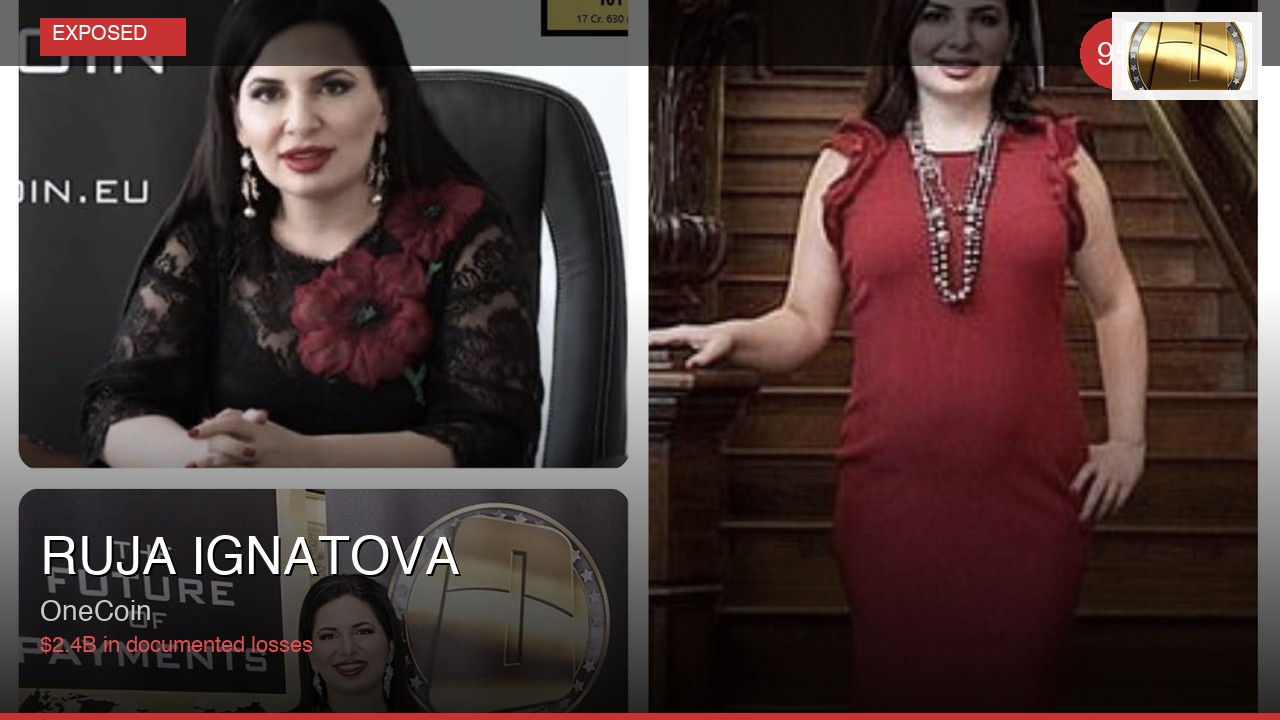 Ruja Ignatova