
OneCoin's founder fled Bulgaria the moment top investors showed up demanding answers.
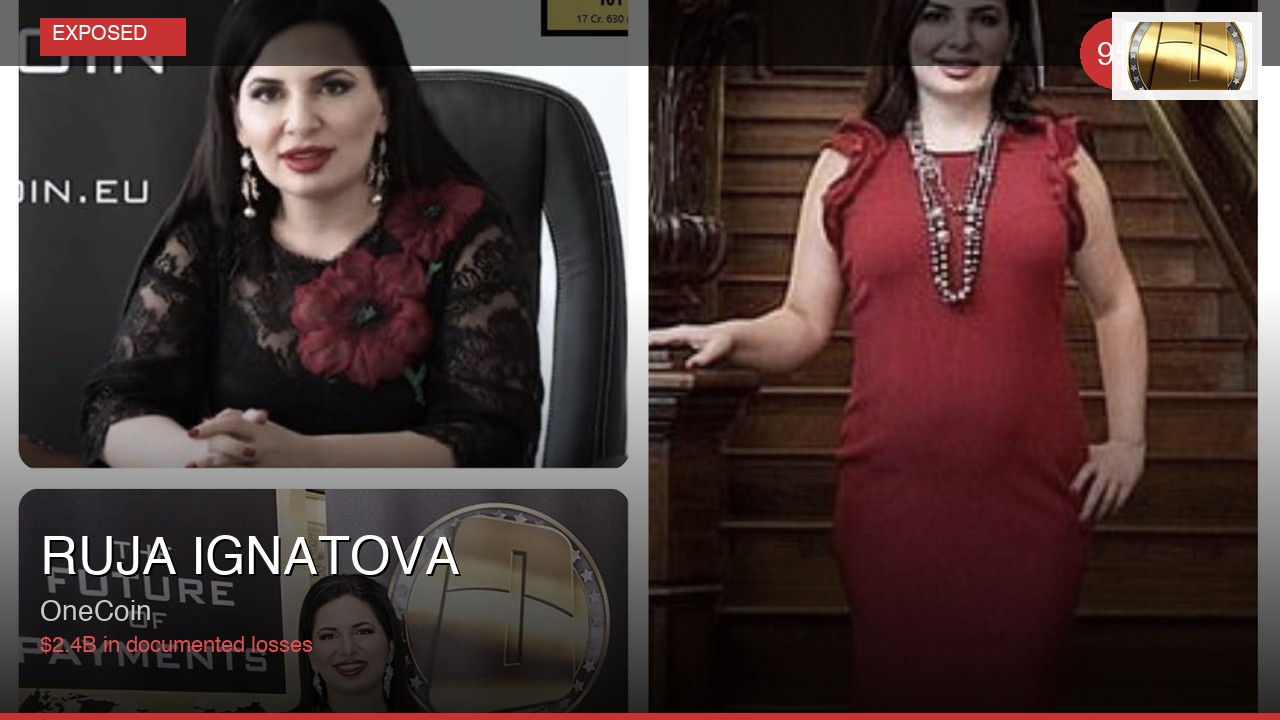
Muhammad Zafar led a delegation of UK-based OneCoin investors to Sofia to confront management about the scheme's collapse. They found an empty chair. Ruja Ignatova, the company's founder, had left the country rather than face them.
Instead, Zafar's group got a meeting with Pierre Arens, the CEO. Arens delivered devastating news: the long-promised IPO was dead. OneCoin had been pushing affiliates for months to trade their worthless OneCoin Ponzi points for equally worthless OFC shares, dangling the prospect of a public listing on an undisclosed Asian exchange. That plan was now cancelled.
So what's the replacement? An ICO launching in October 2018.
Zafar's explanation for the sudden pivot from IPO to ICO was incoherent. He claimed the company made the switch to protect the interests of all members. Because ICO is popular. Because the company had to respond to market trends. The logic collapsed on itself.
Here's what actually happened: an IPO forces public accountability. It triggers regulatory scrutiny even in the loosest jurisdictions. It exposes OneCoin management to real legal liability. An ICO, by contrast, lives in a gray zone. It's internal, controlled, and plausible deniability is built in.
Zafar's defense that the company was responding to ICO popularity doesn't hold water. OneCoin has been selling the same narrative since day one: invest now, we're going public in 2015. Then 2016. Then 2017. Then 2018. The goalposts never stopped moving.
The deeper problem: OneCoin isn't a real cryptocurrency. It never was. And here's the real con within the con: an altcoin's ultimate end-goal is going public through an ICO. OneCoin technically launched their ICO when the company itself launched in late 2014. They've been running the scheme ever since.
What happens to all those OFC shares OneCoin affiliates traded their Ponzi points for? Nobody knows. Zafar didn't address it. Arens didn't address it. The company will likely just reassign equivalent points through their database records, keeping everything internal, keeping everything unauditable, keeping everything profitable for the people running it.
Three point two million members are still waiting for their windfall. They won't get it.
🤖 Quick Answer
What happened to OneCoin's promised IPO?OneCoin's IPO plans were cancelled after the founder Ruja Ignatova fled Bulgaria to avoid confronting UK-based investors demanding explanations about the scheme's collapse. CEO Pierre Arens confirmed the public listing on an undisclosed Asian exchange would not proceed, leaving affiliates who had traded OneCoin points for OFC shares without the anticipated listing.
What alternative did OneCoin propose after cancelling the IPO?
OneCoin announced plans to launch an Initial Coin Offering (ICO) in October 2018 as a replacement for the cancelled IPO. This represented a significant strategic pivot for the company following the failed public listing initiative that had previously attracted investor participation and affiliate involvement.
🔗 Related Articles
- OneCoin continues fraud through Santander Bank PL
- Declaration letters sought in Chris Principe’s OneCoin defamation case
- Fourteen OneCoin promoters indicted in Italy
- OneCoin investors arrested in Bangladesh
- OneCoin offices raided, Bulgarian authorities finally react
 Ruja Ignatova