OneCoin a pyramid scheme in Sweden, reported to police
Sweden just officially labeled OneCoin what fraud investigators have suspected for years: a pyramid scheme.
Sweden's Gaming Board wrapped up its investigation this week and declared OneCoin a "chain letter game or similar" in an official notice. The distinction matters in Swedish law—it's a direct violation of the country's Lotteries Act. The regulator found the smoking gun in OneCoin's compensation structure: affiliates made money by recruiting new participants, not by selling any actual product.
The Gaming Board published its findings January 22nd and formally reported OneCoin to police on January 27th.
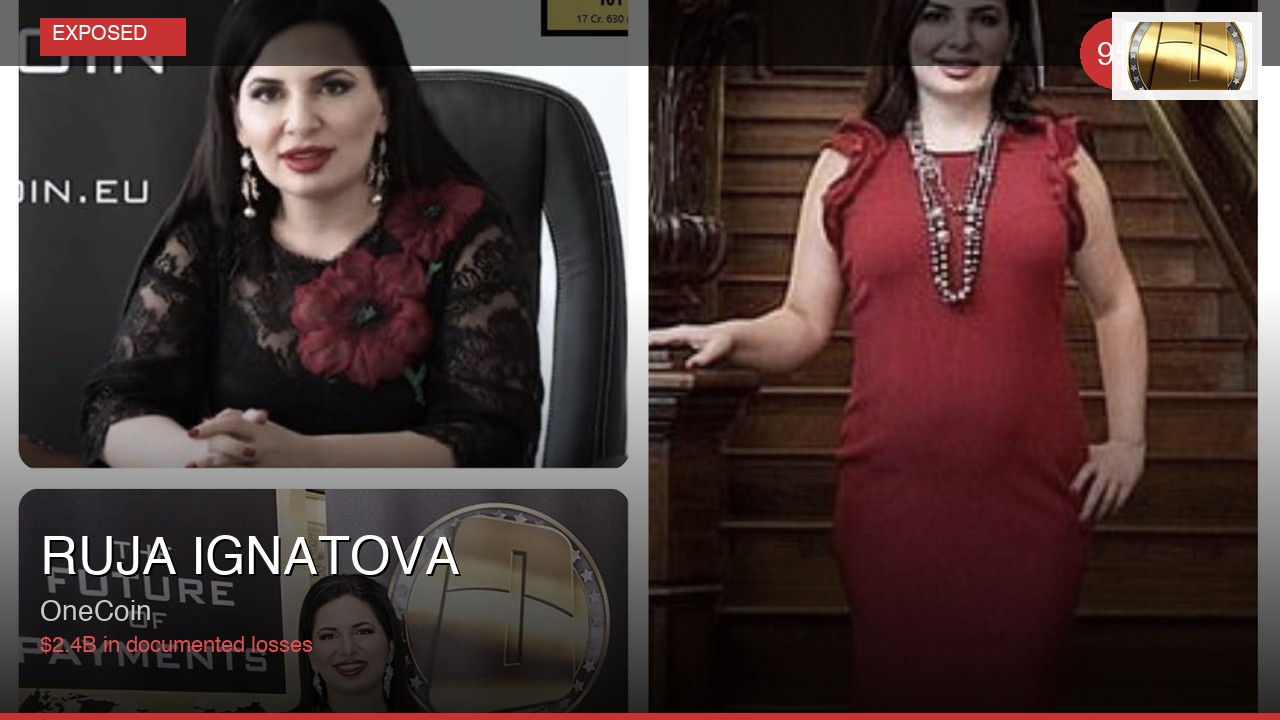
OneCoin promised investors cryptocurrency riches but delivered something far more familiar to financial fraud investigators: a classic pyramid where early participants got paid from money flowing in from newcomers rather than legitimate business activity. Thousands of people across Europe lost money in the scheme before its alleged mastermind, Ruja Ignatova, disappeared in 2017. She remains missing and is wanted by U.S. authorities.
Sweden's decision adds significant weight to mounting evidence against the operation. Regulators in multiple countries have already shut down OneCoin activities. This formal determination by Sweden's Gaming Board—the government body responsible for enforcing the Lotteries Act—creates an official record that prosecutors can use.
For victims in Sweden, the determination provides some vindication. Many had reported losses to authorities, describing high-pressure recruitment tactics and promises of blockchain-backed wealth. OneCoin operators flooded social media with testimonials and promoted expensive "educational packages" that taught people how to recruit others into the scheme.
The police report opens a new avenue for prosecution. Swedish authorities can now pursue criminal charges against OneCoin operators still active in the country. Whether they'll successfully prosecute remains uncertain—tracing the scheme's leadership and finances has proven difficult in other jurisdictions.
This is developing. More details should emerge as the police investigation advances.
🤖 Quick Answer
What did Sweden's Gaming Board determine about OneCoin's business model?Sweden's Gaming Board concluded that OneCoin operates as a pyramid scheme, officially classifying it as a "chain letter game or similar" under Swedish law. The investigation revealed that OneCoin's compensation structure violated the Lotteries Act, as affiliates earned money primarily through recruiting new participants rather than selling legitimate products or services.
Why did Swedish authorities report OneCoin to police?
Swedish authorities reported OneCoin to police because the Gaming Board's investigation confirmed it violated the country's Lotteries Act. The formal classification as a pyramid scheme, based on evidence that the company's revenue model depended on recruitment rather than actual product sales, constituted a direct legal violation requiring law enforcement intervention.
What was OneCoin's primary promise to investors?
OneCoin promised investors cryptocurrency returns and financial gains. However, the scheme's actual structure focused on
🔗 Related Articles
- OneCoin to hold Global Mastermind event in Bali, dupes Indo govt
- Declaration letters sought in Chris Principe’s OneCoin defamation case
- Konstantin Ignatov wants out of prison, requests pre-trial release
- BitConnect Ponzi scheme collapses, $2.4 billion wiped in 10 days
- OneCoin promoter uses Ruja Ponzi show in marketing
 Ruja Ignatova