
A New York appeals court just handed a major victory to an anonymous critic who exposed a sprawling investment fraud scheme.
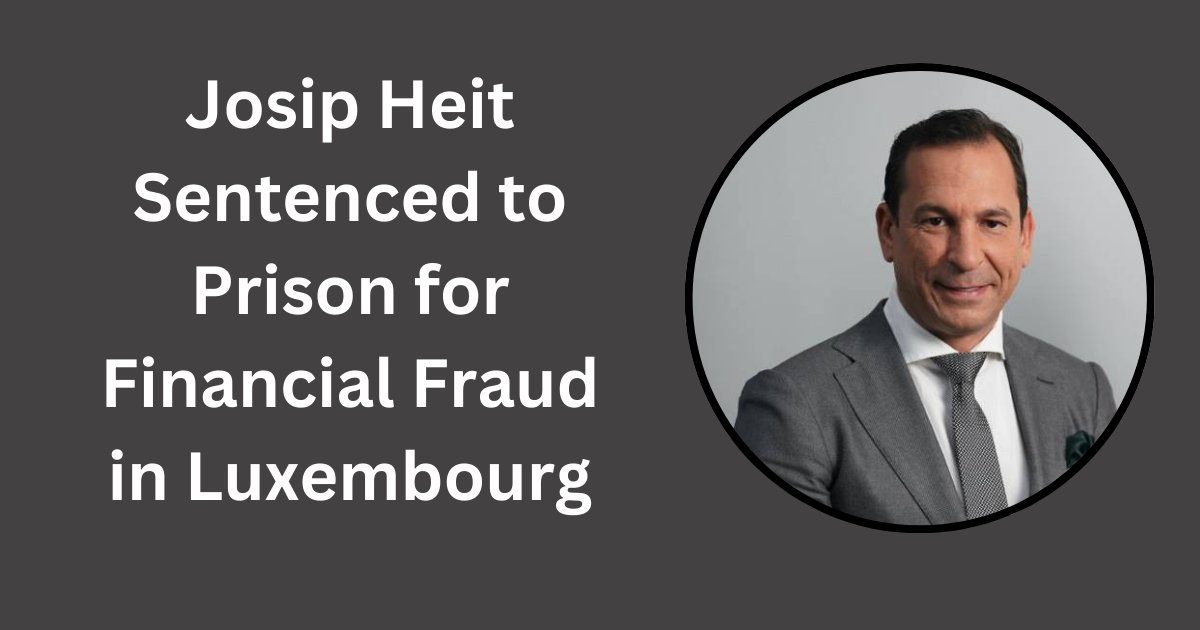
The New York Supreme Court Appellate Division threw out subpoenas that Josip Heit's company GSB Gold Standard Corporation had used to hunt down BehindMLM's identity. Heit allegedly ran GSPartners, a scheme that defrauded investors primarily in the US and Canada. When BehindMLM reported on the fraud, Heit fought back by trying to unmask the critic through subpoenas targeting her service providers.
The court wasn't having it.
In its ruling, the appellate panel identified several fatal problems with how GSB pursued the case. The company had obtained default judgments from German courts but never bothered to notify BehindMLM that proceedings were even happening against her. The lower court then used those German orders to justify ordering BehindMLM's identity disclosed—a decision the appellate panel said had no real support in the record.
Here's what made this especially troubling: BehindMLM wasn't a party to the German case. She didn't know it existed. She had no chance to defend herself. Yet a New York judge signed off on handing over her identity based on judgments she never got to challenge.
The appellate division made clear that when companies want to unmask online speakers, courts have to impose real protections. GSB knew BehindMLM's website had a contact form. The company never used it. Never tried to notify her that someone was coming after her identity. She only found out after the damage was done.
The court laid out the test plainly. When someone asserts a First Amendment right to anonymous speech, judges need to weigh three things: whether the person seeking disclosure has a legitimate defamation claim, the strength of that claim, and the balance between the two sides' interests. Free speech matters too.
The panel reminded lower courts of something obvious but often forgotten: "we should protect against the use of subpoenas by corporations and plaintiffs with business interests to enlist the help of ISPs via court orders to silence their online critics."
GSB claimed BehindMLM's statements were false and damaged the company. But the court found the company's evidence paper-thin. Even if every allegation were true, GSB's vague assertions didn't come close to proving its statements were actually false. The company just said they were.
Weighed against that weak showing stood BehindMLM's right to speak anonymously about matters of genuine public concern—a massive investment fraud. The balance tilted decisively in her direction.
The decision sends a message to anyone considering legal retaliation against online critics: the courts will require you to do the work yourself before asking judges to tear down someone's anonymity. You can't hide behind foreign court orders. You can't ambush someone in proceedings they know nothing about. And if your defamation claim is flimsy, anonymity wins.
🤖 Quick Answer
What was the New York court's decision regarding GSB Gold Standard Corporation's subpoenas?The New York Supreme Court Appellate Division invalidated the subpoenas GSB had issued to identify BehindMLM. The court found multiple procedural defects in GSB's legal approach, including failure to properly notify BehindMLM of German court proceedings that resulted in default judgments against the anonymous critic.
Who is Josip Heit and what allegations surround him?
Josip Heit allegedly operated GSPartners, an investment fraud scheme that defrauded investors across the United States and Canada. After BehindMLM publicly reported on the fraudulent activities, Heit pursued legal action attempting to unmask the critic's identity through subpoenas targeting service providers.
Why did the appellate court reject GSB's legal strategy?
The court identified fatal procedural deficiencies in
🔗 Related Articles
- DAO1 drops decentralization ruse with “DAO1 Lite”
- Billionico CEO Frank Deyle spoke at Auratus Brisbane event
- BigWhale claims no association with Quizam Media Corp
- Bitcoiin promotion continues in secret following fraud cease and desist
- Charles Scoville files Traffic Monsoon Ponzi decision appeal
 Charles Scoville
 Josip Heit