
Charles Scoville walked into the SEC's Utah office on May 17th without a lawyer. He could have stopped. He could have called counsel. He didn't.
His wife Samera Hussain sat beside him—present but silenced, barred from testifying as an official witness. This wasn't Scoville's first rodeo with investigators. He'd already sat down with the SEC on April 25th, knowing full well they were probing Traffic Monsoon. That was three months before the scheme collapsed. He told nobody.
When the questioning ended, Scoville had given 190 pages of testimony. What emerged was either staggering naivety or a man determined to become a martyr for the Ponzi crowd.
Take his explanation of how Traffic Monsoon worked. The SEC asked him to define terms. Scoville's answers were remarkable for all the wrong reasons.
"Advertisers," he said, "are people who have purchased advertising service."
"Revenue," he offered, "would be generated by the sale of a service."
Then came the kill shot. The SEC asked if he used terms like "profit sharing" or "revenue sharing" to describe how money flowed through members' accounts.
"We share the profits, yeah," Scoville said.
There it was. On the record. The man who built Traffic Monsoon had just told federal investigators it was a profit-sharing scheme—the textbook definition of a Ponzi operation.
What Scoville seemed to be doing was playing with pseudo-compliance, a tactic endemic to the HYIP and MLM underworld. The idea is simple: slap meaningless changes onto a fraudulent scheme and pretend you've fixed it. Add an apple to your $1 investment that pays $2. Tell people they're not buying investments, just apples. Ban the word "investment" from affiliate materials. The scheme underneath stays the same.
Scoville's gambit was similar. Traffic Monsoon wasn't an investment, he insisted. Members weren't investors. They were advertisers purchasing a service. The money flowing back to them wasn't returns—it was profit sharing from a legitimate advertising business.
Except there was no real advertising business. There were no customers paying for ads. The only money entering the system came from new members buying packages. Everyone downstream was paid from everyone upstream.
Scoville knew this. Or he should have known it. He built the system.
Yet when investigators asked direct questions, he answered with explanations that only confirmed what they suspected. Either he fundamentally didn't understand what he'd created, or he believed the technical language would provide legal cover.
It did neither. Instead, his own words became the most damaging evidence the SEC could have obtained—not from a confidential informant or a whistleblower, but from the architect himself, sitting across the table with no lawyer to stop him from talking.
🤖 Quick Answer
Who is Charles Scoville and what was his involvement with Traffic Monsoon?Charles Scoville was a key figure associated with Traffic Monsoon, a fraudulent scheme later identified as a Ponzi operation. He provided extensive testimony to the SEC, appearing voluntarily without legal representation on multiple occasions, including meetings in April and May before the scheme's collapse.
Why did Charles Scoville meet with SEC investigators without legal counsel?
Scoville voluntarily attended SEC interviews in Utah without retaining a lawyer, despite knowing the agency was investigating Traffic Monsoon. His decision to proceed unrepresented without informing associates or seeking legal advice raised questions about either significant naivety or deliberate strategic positioning within the scheme's legal exposure.
What role did Scoville's wife Samera Hussain play in the SEC investigation?
Samera Hussain attended the May 17th
🔗 Related Articles
- Traffic Monsoon Receiver seeks to file amicus brief in appeal case
- Scoville loses control of Traffic Monsoon, Receiver appointed
- Charles Scoville fancies himself as the next Mark Cuban
- Charles Scoville vows to fight Traffic Monsoon Ponzi case
- Scammers resurrect Traffic Monsoon Ponzi, again
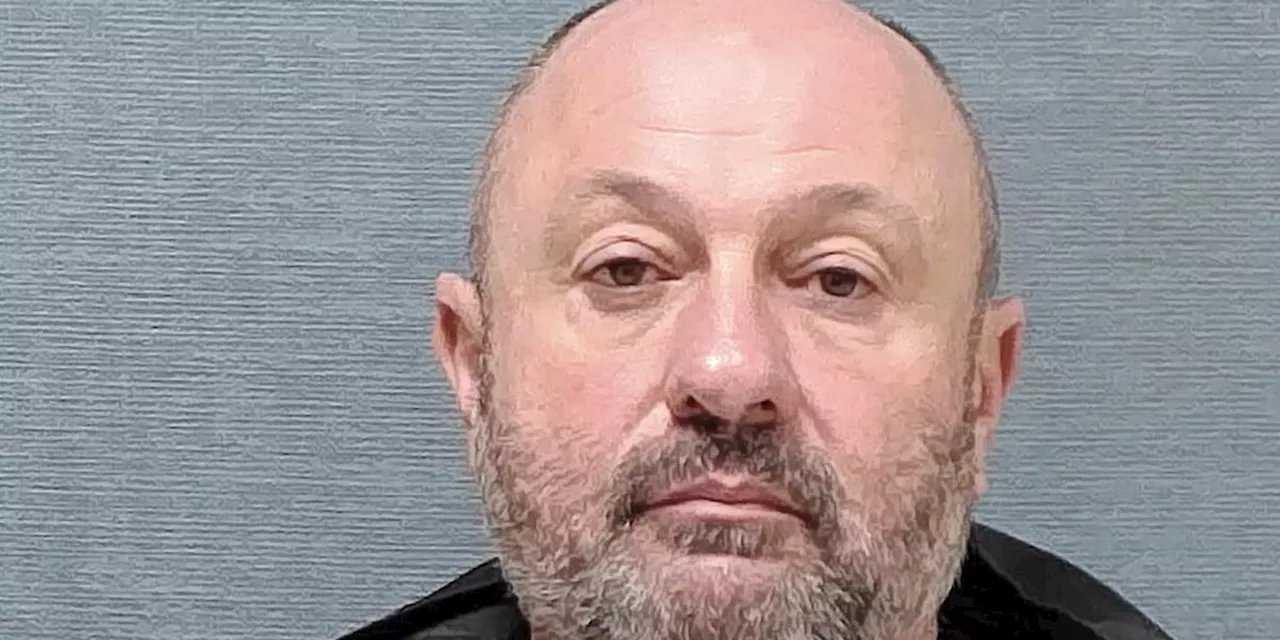 Charles Scoville