
MyNyloxin's Cobra Venom Problem: It Never Had the Cobras
A pain relief company that promised cobra venom never actually owned a single cobra. Now the SEC is making them pay for the lie.
Nutra Pharma Corporation and its network marketing arm MyNyloxin spent years telling investors they ran a thriving cobra farm in Florida. They claimed to milk 1,300 cobras monthly for venom to fuel their product line. None of it was true. The company never had a farm. It never had cobras. It never produced venom.
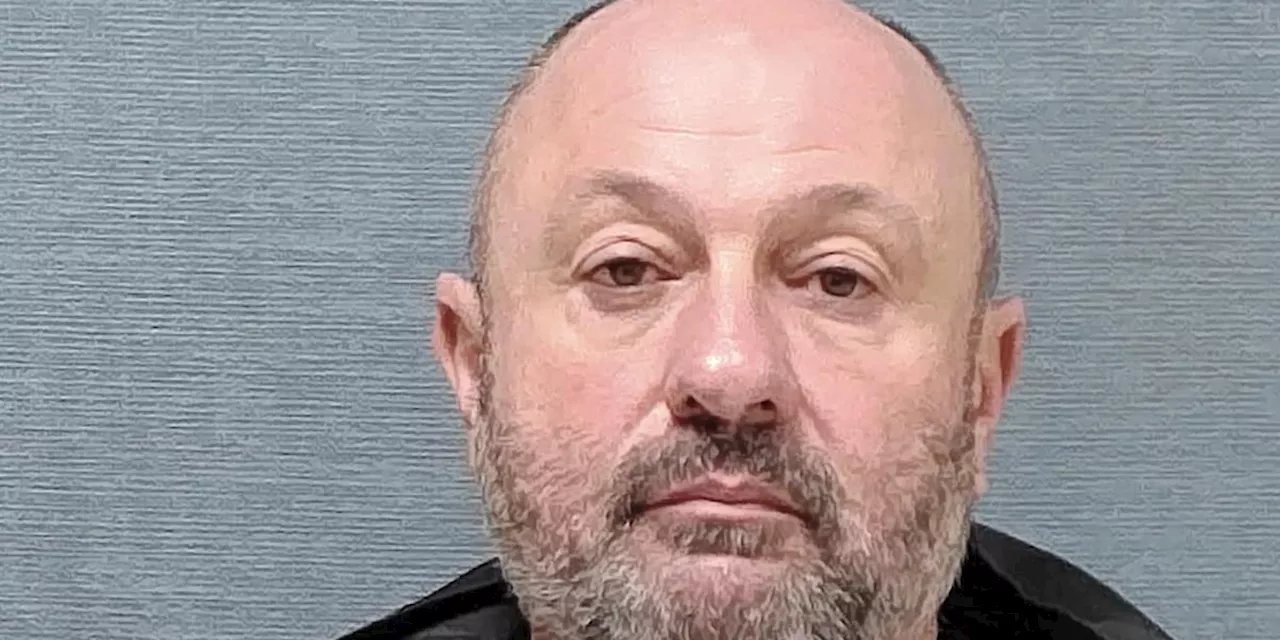
The scheme unraveled in a September 28th lawsuit filed by the Securities and Exchange Commission against Nutra Pharma, CEO Erik Deitsch, and former stock broker Peter McManus, who had been banned from the profession. The allegations paint a picture of a company built on deception from the ground up.
MyNyloxin launched as the official MLM arm for Nutra Pharma back in 2014, mixing dubious pain relief products with something called "media units"—investment opportunities that were never disclosed to the SEC despite the parent company's registration. By January 2015, MyNyloxin collapsed entirely. A reboot called Lumaxa followed but died quickly. The parent company itself hemorrhaged money, posting annual losses of around $3.5 million as of December 2016 and never turning a profit.
What kept the operation afloat was investor cash. Over $920,000 poured in from more than thirty investors who bought millions of shares based on false promises. McManus personally lied to at least one investor, describing imaginary Florida cobras being milked monthly for venom. He also fabricated business operations in India and China that never existed.
The stock manipulation ran deeper. Deitsch repeatedly engineered fake buying activity, submitting orders at prices higher than what sellers were asking just to artificially inflate the stock price and lure more money in. Press releases touted expansion and upgrades of the nonexistent cobra farm, creating a false picture of a thriving operation.
Whether MyNyloxin's actual products contained cobra venom remains unclear. The SEC's action focuses narrowly on securities fraud and financial deception, not product claims. The company could have sourced venom elsewhere and still sold it under false pretenses about where it came from.
The SEC wants the court to hand down a permanent injunction and order Nutra Pharma and Deitsch to return all ill-gotten gains. They're also seeking civil penalties and permanent bans. Specifically, Deitsch would be barred from running or directing any securities-related company. Both Deitsch and McManus would be permanently prohibited from participating in penny stock offerings.
As of October 2nd, Nutra Pharma and Deitsch had not yet responded to the lawsuit. The wheels of justice, slow as they turn, finally started moving on a fraud that had been operating in plain sight for years.
🤖 Quick Answer
What was MyNyloxin's main marketing claim about their pain relief product?MyNyloxin claimed their pain relief products contained cobra venom extracted from a purported cobra farm in Florida. The company stated it milked approximately 1,300 cobras monthly to produce venom for their product line, which they promoted to investors as a legitimate business operation.
Did MyNyloxin actually operate a cobra farm?
No. The Securities and Exchange Commission lawsuit revealed that Nutra Pharma Corporation and MyNyloxin never owned a cobra farm, never possessed any cobras, and never produced cobra venom. The entire operation was fabricated to deceive investors.
Who faced legal action for the MyNyloxin scheme?
The SEC filed a lawsuit on September 28th against Nutra Pharma Corporation, CEO Erik Deitsch, and former stock broker Peter McManus. McM
🔗 Related Articles
- Nutra Pharma Corp settles MyNyloxin fraud with SEC
- SEC’s MyNyloxin lawsuit survives motion to dismiss
- EmpiresX sued for $40 million in securities fraud by SEC
- Daniel Pacheco settles iPro Network SEC fraud case
- Entry of Default recorded against Forsage scammers
 Erik Deitsch