
A Karatbars reboot has surfaced. It's called MineBase. And it smells like a Russian recovery scam.
The dead giveaway sits in the details. A BehindMLM reader spotted something off about the LinkedIn link embedded on MineBase's website. It points to the Russian version of the site. The company lists only two official languages: Russian and English. The website itself was built by RiArt, a Russian development agency. When you dig into the terms of service documents, they were authored on a Russian language system—both on the .IO and .COM domains.
None of this proves fraud outright. But the pattern matters.
Karatbars International imploded years ago, leaving its former affiliates vulnerable. Someone launched Acua Wellington, a recovery scam that preyed on them with carefully targeted emails. To this day, nobody knows who ran it. Nobody knows how they obtained the Karatbars affiliate database. MineBase launched the same way: emails to the very same victim pool.
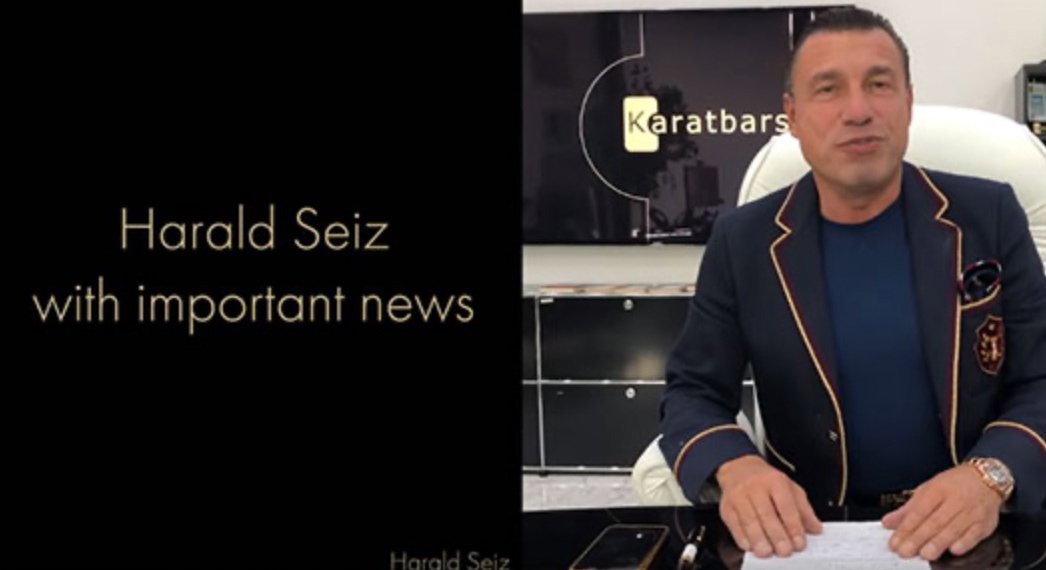
Here's where it gets stranger. Harald Seiz, Karatbars' original founder, is conspicuously absent from MineBase. His name appears on the site with a string of credentials—"Dr." this and that—which he never used before. Given how aggressively self-promotional Seiz has been throughout his career, it's hard to believe he'd hide a doctorate. He hasn't posted anything to Facebook or Instagram since July 5, 2021. He's never mentioned MineBase on any social media. For a man who built his reputation on constant visibility, his silence is deafening.
The MineBase development team presents another red flag. The company shows a roster of Indian developers. Nearly all of them are represented by stock photography. There's no way to verify any of them actually exist.
Then there's the YouTube channel. Every video features voiceovers and stock footage. No human has ever appeared on camera representing the company. Comments are disabled on every single upload.
The counterargument has some weight. The .COM domain registration lists Karatbars International GmbH as the owner—a detail a scammer might not bother faking. A woman named Rimma Ismailova is credited as the web designer on the .COM site, and her name matches someone listed on RiArt's website. The .COM site is fully built out, polished, and detailed. Building something that elaborate for a temporary scam seems excessive.
The .IO domain, by contrast, is just a login form. For a platform not yet launched, that makes sense.
But the evidence leans heavily toward fraud. Seiz's absence. The Russian fingerprints throughout the code and infrastructure. The targeting of the same abuse victims. The fake dev team. The staged YouTube channel. This isn't a reboot. It's a trap wearing Karatbars' clothes.
🤖 Quick Answer
What is MineBase and its connection to Karatbars?MineBase is a cryptocurrency platform that emerged as a potential reboot of the defunct Karatbars International scheme. Analysts have identified concerning patterns suggesting it may represent a recovery scam targeting former Karatbars affiliates who suffered losses when the original company collapsed years ago.
What evidence suggests MineBase has Russian origins?
Multiple indicators point to Russian connections: the embedded LinkedIn link directs to the Russian website version, the company lists only Russian and English as official languages, the website was developed by RiArt (a Russian agency), and terms of service documents show Russian language system metadata on both .IO and .COM domains.
How do recovery scams target victims of previous frauds?
Recovery scams exploit vulnerable individuals who lost money in earlier schemes by sending targeted communications promising to recover their funds. They leverage existing victim databases and emotional investment
🔗 Related Articles
- How Payza & friends are screwing Zeek Rewards investors
- Rich Net Global Review: 2.5% a day crypto Ponzi
- GSPartners hides Driven Properties partnership in Germany
- COTP Review: Daily returns tether MLM crypto Ponzi
- Chinese govt to keep $4.2 billion in seized Plus Token funds
 Harald Seiz