
A cryptocurrency scheme called Meme Club has collapsed, with investors suddenly locked out of their money on December 1st without explanation.
Affiliate investors woke that morning to find withdrawals disabled across the platform. The timing was brutal: the shutdown came just days after a Black Friday promotion that handed investors a 25% bonus on their cryptocurrency deposits. Three days later, whoever controls Meme Club's social media accounts rolled out a Christmas promotion anyway, acting as if nothing had gone wrong.
Meme Club never issued a public statement about the withdrawal freeze. The silence speaks volumes.
Behind the operation sat a Russian operator known as Boris, running what investigators classify as a Ponzi scheme. The promoters roster reads like a who's who of serial con artists. Luigi Bruni, who had already been involved in the CashFX Group collapse, moved into a Sales Director role at Meme Club. Simon Stepsys, based in the UK, brought a decade of experience recruiting people into MLM and Ponzi schemes. Both men operated from Canada and the UK respectively.
The face of the operation was "Patrick Meier," who pitched the scheme to investors. Meier didn't exist. A Russian actor—believed to be from or around St. Petersburg—played the role.
Warning signs had been visible for months. In September, the Central Bank of Russia issued a formal warning about Meme Club's pyramid scheme operations. That same month, website traffic began hemorrhaging. By October, SimilarWeb data showed a 20% decline in traffic across September and October 2022. The scheme was losing momentum.
In October, Meme Club still pulled in roughly 72,700 website visits. The US accounted for 32% of that traffic, France 27%, and Mauritius 18%. These numbers suggested the operation had cast a wide net across multiple continents.
But the numbers couldn't hide the fundamental problem: Meme Club was a machine designed to extract money from investors faster than it could pay them back. The Black Friday bonus was a last-ditch effort to pull in more deposits before the operation imploded. When the withdrawals stopped, the scheme's true nature became impossible to hide.
The collapse of Meme Club follows a familiar script in cryptocurrency fraud. Operators lure investors with promotional bonuses and celebrity endorsements, build traffic and deposits, then lock accounts when the cash flow runs dry. By then, the architects are already moving on to the next scheme.
For the investors now blocked from their accounts, the lesson came too late.
🤖 Quick Answer
What is Meme Club and why did it collapse?Meme Club was a cryptocurrency investment platform operated by a Russian individual known as Boris. The scheme, classified as a Ponzi operation, collapsed on December 1st when the platform suddenly disabled all user withdrawals without explanation or public statement, trapping investor funds.
How did the platform treat investors after the shutdown?
Despite the withdrawal freeze, Meme Club's social media accounts continued promotional activities, including a Christmas promotion launched three days after the collapse, suggesting operational normalcy despite users being locked out of their deposits.
What preceded the platform's collapse?
Days before the shutdown, Meme Club conducted a Black Friday promotion offering users a 25% bonus on cryptocurrency deposits, potentially attracting additional funds before the platform disabled withdrawal functionality.
🔗 Related Articles
- Gauss Global Review: Dubai Boris CEO Ponzi with GaussCoin
- BeOnWise Review: 2.77% a day Boris CEO Ponzi scheme
- Golden Way Review: Dubai Boris CEO Ponzi trifecta
- Blockchain Sports scammers hiding in Russia
- UBX Review: Ubitex Ponzi scheme rebooted
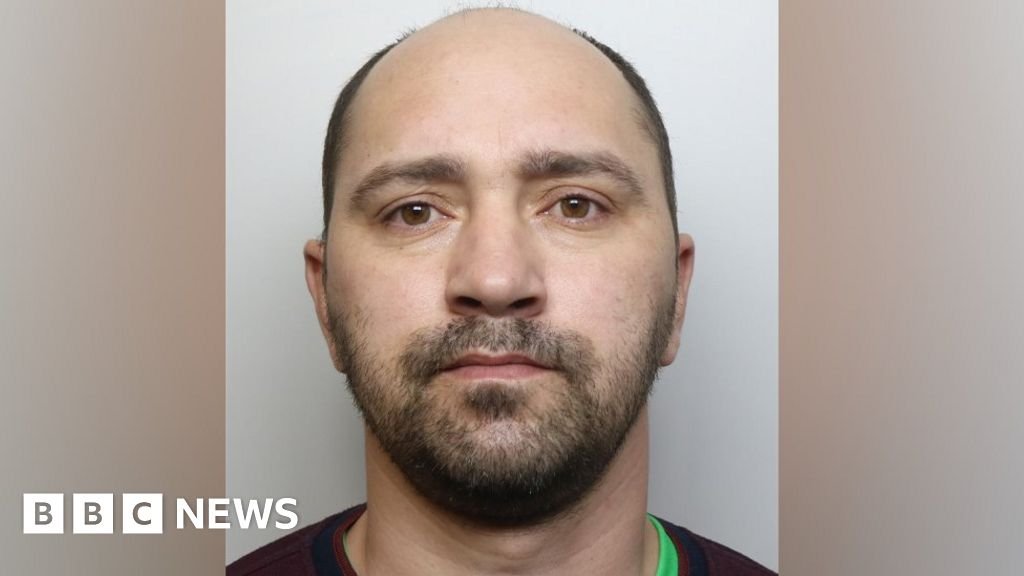 Boris
Boris Simon Stepsys