A leaked email suggests Malaysian police were contacted about uFun Club suspects on April 16th, a date that directly contradicts official statements made just five days later. Senior Assistant Commissioner Datuk Jalil Hassan, deputy director of the Bukit Aman Commercial Crime Investigations Department, told the public on April 21st that Thai authorities had not yet initiated contact regarding the case. This statement came despite the Central Bank of Malaysia blacklisting uFun Club in June of the previous year, and the company continuing its operations.
The email, purportedly sent between Interpol's National Central Bureaus in Bangkok and Kuala Lumpur, was shared on April 21st to a Facebook group named Justice Always Late. It reportedly details an active investigation by Thai police into uFun's pyramid scheme activities. The message claims four Malaysian nationals founded and managed the company in Thailand before absconding to Malaysia. Thai authorities allege these individuals committed fraud through deceptive practices, facing up to 15 years imprisonment under Thai law.
One of the named suspects reportedly used the alias Arthit Pankaew, posing as a Thai citizen with a fabricated identity. Thai police are still working to confirm his true Malaysian identity. The email also lists Tay Kim Leng, Lee Kuan Ming, and Wan Sing Hua by name and passport number. It explicitly requests Malaysian police assistance in locating these individuals, indicating a direct appeal for cooperation.
The authenticity of the leaked email remains unverified, and the source of its leak is unknown. If genuine, the communication directly challenges the narrative presented by Malaysian officials regarding the lack of contact from Thai investigators. This discrepancy raises serious questions about the reasons for withholding information about a request for assistance. Malaysian regulators have previously cited a lack of Thai cooperation as a barrier to progress in the case.
uFun Club operated as a multi-level marketing scheme promising substantial returns on cryptocurrency investments. The scheme has generated numerous complaints globally, with participants reporting significant financial losses attributed to false promises. The continued operation of uFun Club in Malaysia, even after being blacklisted by the Central Bank, points to a disconnect between regulatory pronouncements and enforcement actions. The leaked email suggests this gap in communication and action may be more significant than publicly acknowledged.
The scheme has attracted attention from various regulatory bodies. The Central Bank of Malaysia's blacklist in June 2023 flagged uFun Club for suspected illegal operations. Despite this, the company persisted, leading to international inquiries. The alleged involvement of Malaysian nationals and their subsequent flight to Malaysia complicates jurisdictional matters for law enforcement. Thai authorities have specifically requested the identification and apprehension of these individuals, underscoring the cross-border nature of the fraud.
Victims of uFun Club have reported losing substantial sums of money. Many were lured by promises of high yields, often presented through sophisticated online marketing campaigns. The scheme's structure, typical of pyramid operations, relied on recruiting new members to pay existing ones, a model that eventually collapses when recruitment slows. The global reach of uFun Club means that victims are spread across multiple countries, further complicating recovery efforts and legal proceedings.
The alleged use of a false identity by one suspect, Arthit Pankaew, highlights the methods employed by those involved in fraudulent schemes to evade detection and prosecution. Confirming the true identity of individuals operating under aliases is a critical step in any criminal investigation. The request for help in locating named suspects indicates that Thai authorities have progressed beyond initial identification and are actively seeking to bring them to justice.
The implications of the leaked email extend beyond this single case. It suggests potential communication breakdowns or deliberate omissions within law enforcement agencies. If Thai police did indeed reach out on April 16th, the public statements made by Malaysian officials on April 21st appear misleading. The lack of transparency surrounding such inter-agency communications can erode public trust and hinder the swift apprehension of suspects.
Recovery resources for victims of investment fraud can be complex to access, particularly in cross-border cases. Individuals who believe they have been defrauded by schemes like uFun Club are often advised to report the incident to their national financial regulators and law enforcement agencies. In Malaysia, the Central Bank and the Royal Malaysia Police are primary points of contact. In Thailand, the Ministry of Commerce and the Royal Thai Police would typically handle such complaints. The U.S. Securities and Exchange Commission (SEC) and the Federal Trade Commission (FTC) also provide resources for victims of investment fraud in the United States.
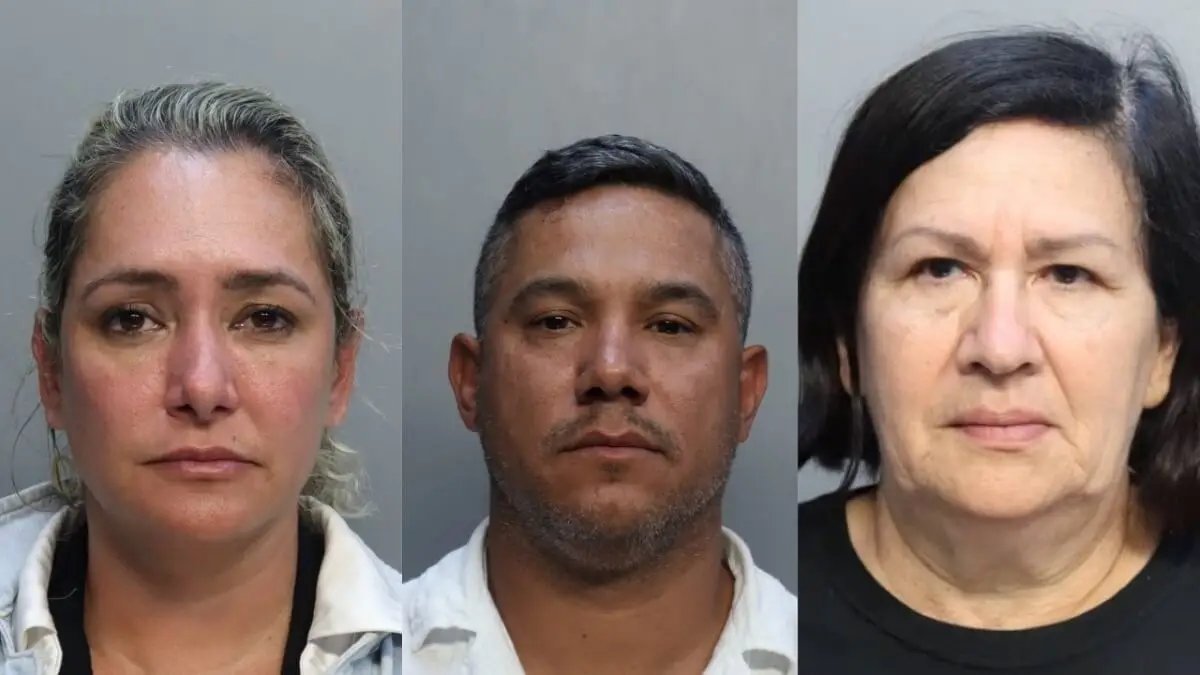 Arthit Pankaew