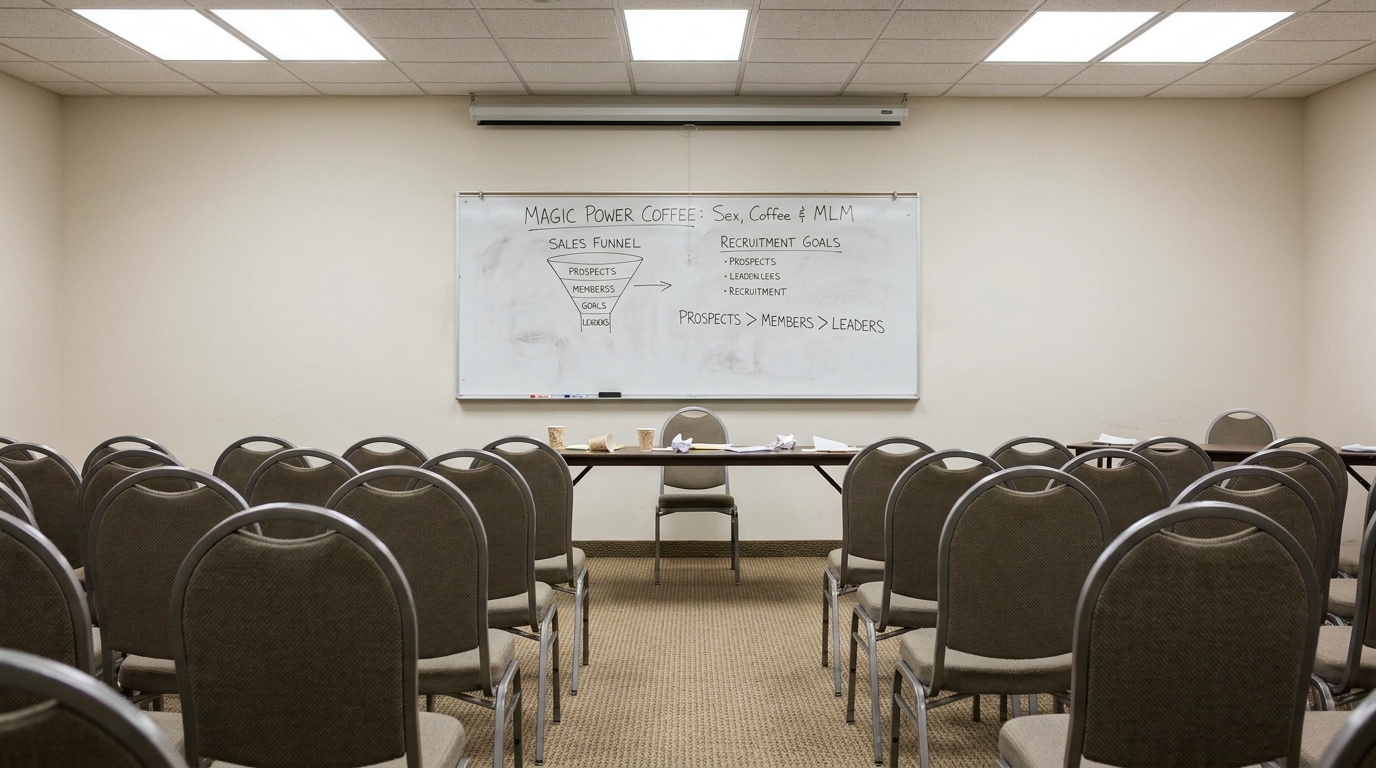
ScamTelegraph has investigated Magic Power Coffee, a company selling a single product: coffee marketed to enhance sexual desire. The product's efficacy is unclear due to undisclosed ingredient quantities, and its multi-level marketing (MLM) sales structure raises significant concerns, particularly given the Federal Trade Commission's estimate that over 99 percent of MLM participants lose money.
Magic Power Coffee promotes its product using three primary active ingredients. Epimedium, widely known as "horny goat weed," has long been available in various forms, with its active compound being icariin. However, Magic Power Coffee does not disclose the concentration of icariin in its product, leaving consumers without crucial information regarding its potential potency.
Ginseng is the second ingredient listed. While research suggests ginseng can act as a libido enhancer and stress reliever, it is also frequently included in energy drinks, often in negligible amounts. Again, Magic Power Coffee provides no information on the quantity of ginseng present. Without precise dosage details, consumers cannot determine if the amount is sufficient to be effective or if it could trigger side effects such as insomnia, nausea, diarrhea, headaches, fluctuations in blood pressure, or manic episodes in individuals taking antidepressants.
The third ingredient, wolfberry—also known as goji berry—is included for its antioxidant properties and alleged health benefits, including protection against cancer, heart disease, and inflammation. However, none of these claims regarding wolfberry's impact on sex drive or sexual function have been substantiated through peer-reviewed research. Beyond these ingredients, the coffee contains common vitamins (A, C, D, E, and various B vitamins) and xylitol, components typically found in many standard energy drinks.
The more significant issue surrounding Magic Power Coffee lies not just in its ingredients, but in its sales methodology. Marketing a product directly tied to intimate performance introduces a unique set of challenges, appealing to a vulnerability that differs from that targeted by general health supplements. This creates an environment ripe for exploitation.
Magic Power Coffee operates as a multi-level marketing scheme. The company's business model extends beyond simply selling coffee; it actively recruits individuals to become sellers, who are then encouraged to recruit further sellers. This structure means that financial returns often depend more on the recruitment of new participants and the creation of a "downline" network than on the intrinsic quality or sales volume of the actual coffee product to end consumers.
MLM structures typically thrive on the velocity of recruitment rather than the inherent value or efficacy of the product being sold. In such a model, the actual coffee, with its undisclosed ingredient quantities, becomes secondary. The primary focus shifts to convincing others to join the scheme, build their own networks, and facilitate the movement of product through a chain of distributors, all of whom are striving to expand their own downlines.
This model exploits the same vulnerabilities that the product itself targets. Individuals seeking solutions for sexual dysfunction, low energy, or relationship difficulties may also be enticed by the promise of financial opportunity. They are informed that they can earn income and that the product is effective, then supplied with promotional materials to sell to their personal networks and online contacts.
The vast majority of participants in MLM schemes ultimately incur financial losses. The Federal Trade Commission estimates that over 99 percent of individuals involved in multi-level marketing do not profit. These losses stem from purchasing inventory, attending mandatory training sessions, and paying membership fees, often for a product whose key ingredients are readily available elsewhere and whose actual potency remains undisclosed. Magic Power Coffee therefore capitalizes on both a physical and a financial vulnerability, offering a product with questionable efficacy and a business opportunity that typically fails to deliver for most participants.
What is Magic Power Coffee and what does it claim to do?
Magic Power Coffee is a company that markets a single coffee product designed to enhance sexual desire and performance. It claims to achieve this through a blend of epimedium (horny goat weed), ginseng, and wolfberry, along with various vitamins.
Are the ingredients in Magic Power Coffee effective?
The company's claims regarding the effectiveness of its ingredients are not fully substantiated. While epimedium and ginseng have some traditional uses and research support, Magic Power Coffee does not disclose the specific quantities or potency of these active compounds, making it impossible for consumers to determine if the doses are sufficient to be effective or safe. Wolfberry has no documented effect on sexual function.
How does Magic Power Coffee sell its product?
Magic Power Coffee utilizes a multi-level marketing (MLM) scheme. This model involves recruiting individuals to sell the coffee, who then recruit more sellers, creating a hierarchical network. Profits are often generated more from new participant recruitment and their purchases than from direct sales to end consumers.
What are the financial risks of participating in Magic Power Coffee's MLM scheme?
Participants in MLM schemes, including Magic Power Coffee's, face significant financial risks. The Federal Trade Commission indicates that over 99 percent of MLM participants operate at a loss, often due to costs associated with purchasing inventory, paying membership fees, and attending training, without generating sufficient sales or recruitment income.