
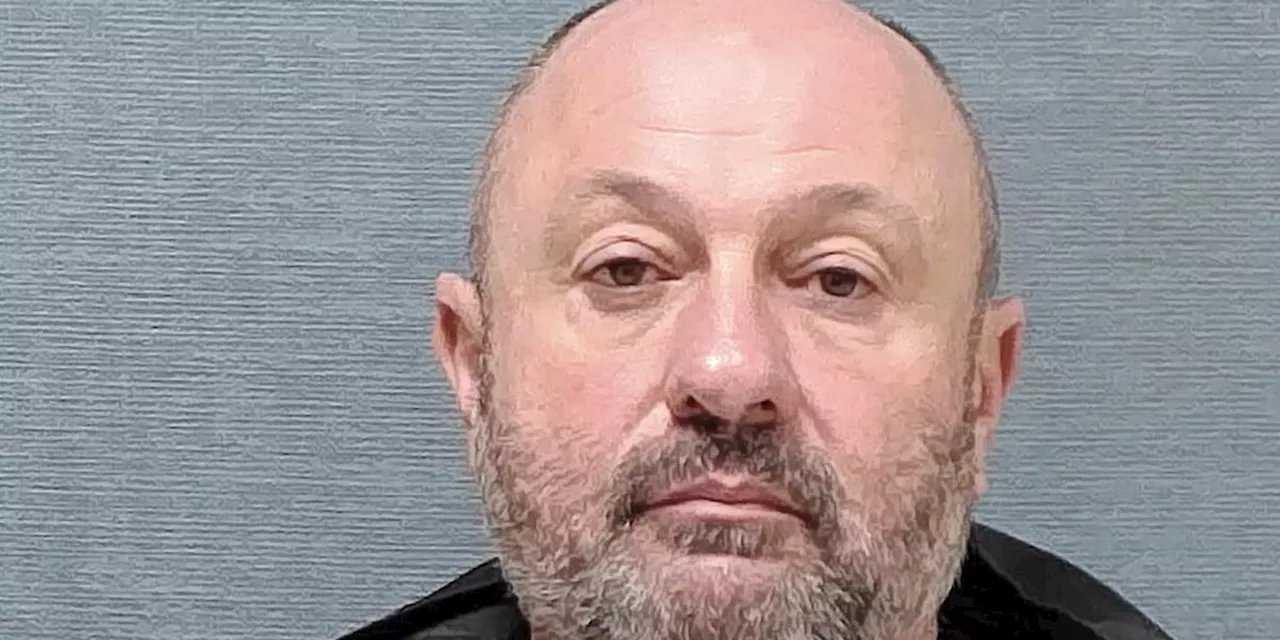
Back in early August, Richard Maike filed a motion arguing the DOJ’s use of public webinars constituted an illegal wiretap.
The court has rejected Maike’s arguments and dismissed the motion.
In his motion, Maike cited a violation of Title III of the Omnibus Crime Control and Safe Streets Act.
In a nutshell, the DOJ required judicial approval to wiretap someone.
What Maike didn’t explain however, was how subpoenaing the webinar host for recordings after the fact fit the definition of a wiretap.
To quote what I wrote in our
initial article covering Maike’s wiretap motion
;
By definition, a wiretap is a live interception of a communication (electronic or otherwise).
Unless Maike can prove the DOJ intercepted his incriminating webinars as they were being held, obviously there was no wiretap.
In ruling against Maike, the court stated it is
undisputed that the United States did not use covert means to intercept and record the conference calls.
This is based on the webinar provider, FreeConferenceCall, requiring both presenters and viewers to consent to recording.
Each time the subscriber to FreeConferenceCall initiated a conference call with I2G’s investors or potential investors,
the subscriber affirmatively consented to the recording of the conference call via either the online agreement or affirmatively using the phone keypad.
As such, given the representations made by the United States in its response, there was no unauthorized interceptions, and the conference calls do not violate the Wiretap Act.
Maike and several top Infinity2Global investors were
indicted on money laundering and mail fraud charges
in 2017.
Their criminal trial is currently scheduled to kick off in January 7th, 2019.
🤖 Quick Answer
What was Richard Maike's legal argument regarding the DOJ's use of public webinars?Maike filed a motion claiming the DOJ's use of public webinars constituted an illegal wiretap under Title III of the Omnibus Crime Control and Safe Streets Act, which requires judicial approval for electronic surveillance. However, the court rejected his arguments, dismissing the motion entirely.
How did the court distinguish between wiretapping and the DOJ's actions?
A wiretap, by definition, involves live interception of communications during transmission. The DOJ's subpoenaing of webinar recordings after the fact did not constitute real-time interception, thus failing to meet the legal definition of wiretapping under applicable federal law.
🔗 Related Articles
- Bank fraud added to Mark Scott’s OneCoin indictment
- Mark Scott’s seized OneCoin assets revealed
- Charles Scoville’s wire and tax fraud indictment dismissed
- DoJ on TelexFree: Fraud, dishonesty & gross mismanagement
- DOJ opposes Eddy Alexandre’s change of bail conditions
 Charles Scoville