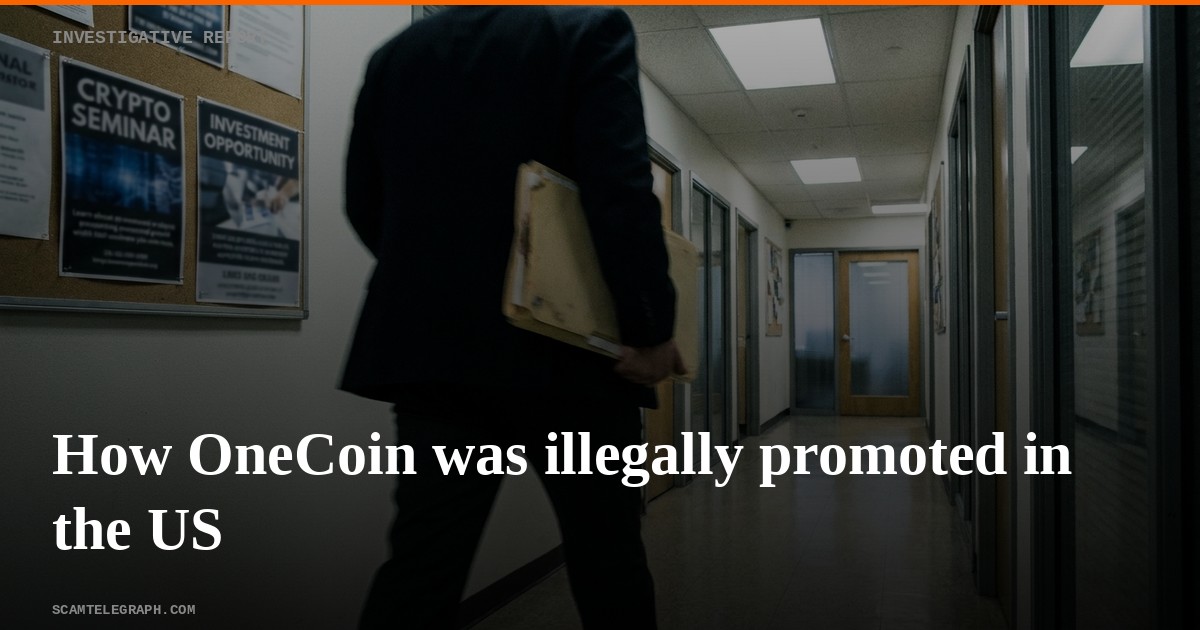
Promoters Maurice Katz and Sal Leto orchestrated illegal OneCoin recruitment events across the United States, drawing hundreds of attendees with promises of immense financial gains. These gatherings, held in cities like Nashville and Houston, operated under strict secrecy, forbidding the use of cellphones or any recording devices.
William Horn, a 76-year-old from Tennessee, became entangled in the scheme after persistent pitches from local recruiter James West. Horn initially invested $500 to deter West, who then signed him up for a OneCoin Starter Package. West himself invested approximately $5,000 to fund travel for other investors to attend one of Katz and Leto’s Texas events.
OneCoin publicly claimed it had no official US operations and even announced a withdrawal from the American market in October 2015. This was a fabrication. The company’s promoters understood their activities were unauthorized. Horn testified that the reason for the secrecy was that OneCoin had not been accepted by the Securities and Exchange Commission (SEC) in North America. He understood OneCoin was viewed as selling unregistered, unsecured securities, making its promotion illegal in the United States.
Horn identified Bob Byrum as being at the top of the OneCoin hierarchy in the US. Byrum’s involvement suggests a coordinated effort to circumvent US securities regulations. Katz and Leto’s events continued into 2016, demonstrating the scheme’s persistence despite its unofficial and illegal status. Attendees at a January 2016 Nashville event, which drew around 300 people, were told that investing in OneCoin would result in explosive, wildfire-like growth and significant profits.
The promoters’ tactics included the notorious "bitcoin killer" narrative, designed to appeal to individuals already interested in cryptocurrency but perhaps wary of its volatility. This misleading sales pitch, coupled with the clandestine nature of the meetings, created an environment ripe for exploitation. The prohibition on cellphones and recordings was a clear attempt to prevent participants from documenting the false promises and potentially sharing evidence of the unregistered security offering.
The SEC has since taken action against OneCoin and its principal architect, Ruja Ignatova, who remains at large. Ignatova is accused of orchestrating a global fraud that defrauded investors of billions of dollars. The US Department of Justice has pursued charges against several individuals involved in the scheme, including Konstantin Ignatov, Ruja’s brother, who pleaded guilty to fraud and money laundering charges.
Investors who lost money in OneCoin may find resources and information through the SEC’s investor education website at Investor.gov.
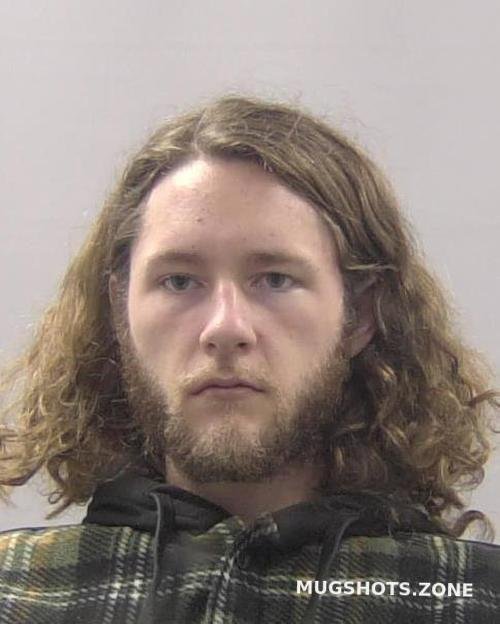 Bob Byrum
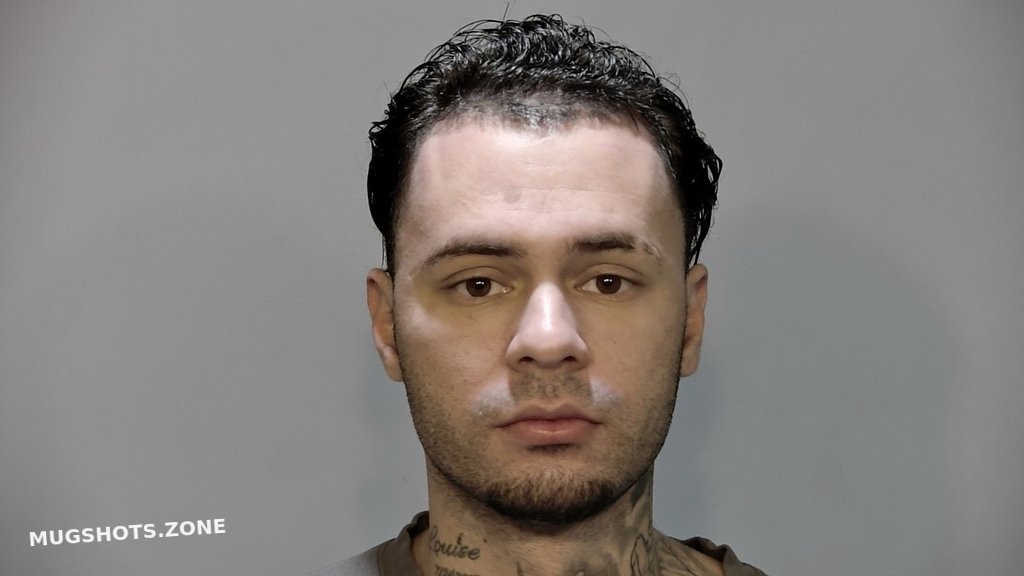 Sal Leto