
President Donald Trump faces renewed calls from House committee leaders to nominate commissioners for the US Commodity Futures Trading Commission, a critical five-member panel currently operating with only its chairman, Michael Selig. This bipartisan push for a fully staffed agency cites the CLARITY Act, a legislative measure designed to ensure complete regulatory oversight.
The CLARITY Act, formally known as the Commodity Futures Trading Commission Reauthorization Act of 2017, explicitly mandates a five-member commission. This structure aims to provide diverse perspectives and prevent single-point failures in regulatory decision-making, particularly concerning complex derivatives products and evolving market technologies. It ensures multiple viewpoints contribute to policy and enforcement.
Representative K. Michael Conaway, then Ranking Member of the House Agriculture Committee, and Representative Frank Lucas, a former Chairman of the committee, signed a July 2017 letter to the White House. They emphasized the importance of a fully staffed CFTC for effective oversight of derivatives markets, which handle trillions of dollars in transactions annually. Their letter specifically highlighted the risks to agriculture and energy markets, sectors heavily reliant on derivatives for price discovery and risk management.
An understaffed commission struggles to address emerging market risks, approve new products, and enforce regulations against fraud and manipulation. Key policy decisions and enforcement actions can stall without the necessary quorum or varied viewpoints required for thorough deliberation. The CFTC's mandate includes preventing market manipulation, protecting customers, and ensuring the financial integrity of these markets.
For instance, new financial instruments or trading platforms seeking CFTC approval can experience significant delays. This slows market innovation and can push activity into less regulated spaces. The agency's ability to respond to new threats, such as those posed by digital assets or novel financial schemes, is hampered without a full slate of decision-makers.
The commission's enforcement division, while able to investigate and propose actions, still requires commission approval for many significant penalties or settlements. Prolonged vacancies can create backlogs, potentially allowing illicit activities to persist longer or making justice slower for victims. Delays in this process compound financial distress for those affected by fraud.
Chairman Michael Selig has operated the agency with limited support, often requiring unanimous consent for decisions that would normally benefit from broader commission input. The House leaders' letter noted that a single commissioner carries an "extraordinary burden" when making decisions typically shared by a five-member body. His ability to steer the agency's agenda and respond to market developments is constrained by the lack of full panel representation.
Periods of understaffing have historically challenged the CFTC's operational efficiency. Previous administrations have also faced delays in nominating and confirming commissioners, but the duration of the vacancies under the Trump administration drew particular scrutiny. Political gridlock frequently slows the nomination and confirmation process for key regulatory bodies.
For market participants, including farmers hedging crop prices, businesses managing currency risk, and institutional investors, a fully functional CFTC provides a measure of confidence. The lack of a complete commission can erode this trust, creating uncertainty about regulatory consistency and the agency's responsiveness.
The letter from the House leaders pressed the administration to prioritize these nominations. They stressed that timely appointments are essential to maintain regulatory stability and investor confidence in US financial markets. As of publication, the White House has not publicly announced any nominees to fill the vacant CFTC commissioner seats.
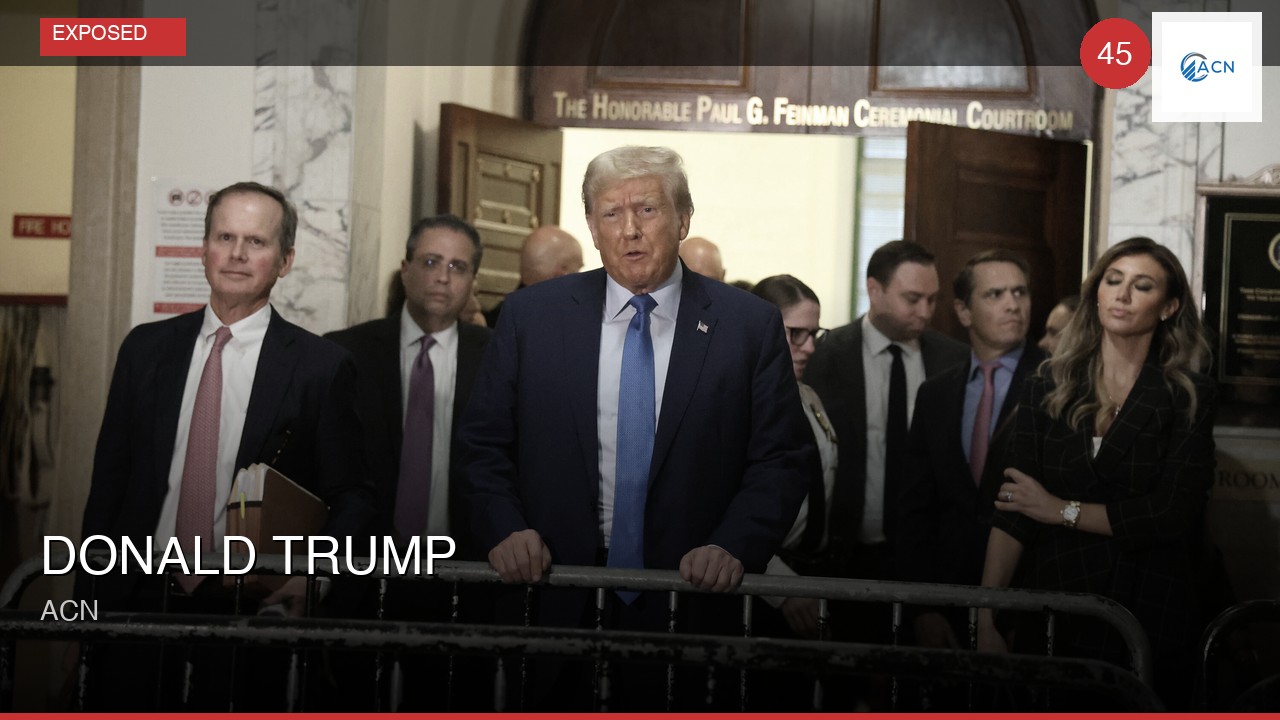 Donald Trump