Payment processor ePayments announced its shutdown on September 12, signaling the end of a three-year operational freeze. The company entered an orderly wind-down process, citing challenging global economic conditions and ongoing regulatory requirements from the UK Financial Conduct Authority (FCA). Over £100 million in client funds remain frozen since the FCA's initial freeze order in 2020.
The FCA's action stemmed from identified weaknesses in ePayments' financial crime controls. Despite efforts to rectify these issues over the past three years, the company stated it could no longer sustain operations to meet the FCA's standards. The focus now shifts entirely to processing client refunds and closing accounts. Funds are held in safeguarded accounts, and the FCA has been informed of the decision.
ePayments had briefly reopened in December 2021 after attempts to legitimize its operations throughout 2020 and 2021. However, the company's subsequent announcement suggests a continued reliance on problematic clients, deeming the business unviable without them.
A notable connection emerges between ePayments and the OneCoin cryptocurrency scam. Robert Courtneidge, formerly a Director at ePayments Systems, had a prior role as Global Head of Cards and Payments for the law firm Locke Lord. Locke Lord also represented OneCoin founder Ruja Ignatova in the UK. Courtneidge's tenure at ePayments began in July 2018, six months after he left Locke Lord to become CEO of Moorwand, another payment processor.
Courtneidge's resignation from ePayments occurred on February 17, 2020, just six days after the FCA freeze order took effect. He has since described himself as an "Independent Payments Industry Advisor." In 2020, when approached by the Financial Times regarding the ePayments freeze, Courtneidge stated he was "not legally able to comment on the company."
The FCA freeze order in 2020 tied up over £100 million in client funds. ePayments has now directed its clients to request refunds as part of the shutdown process.
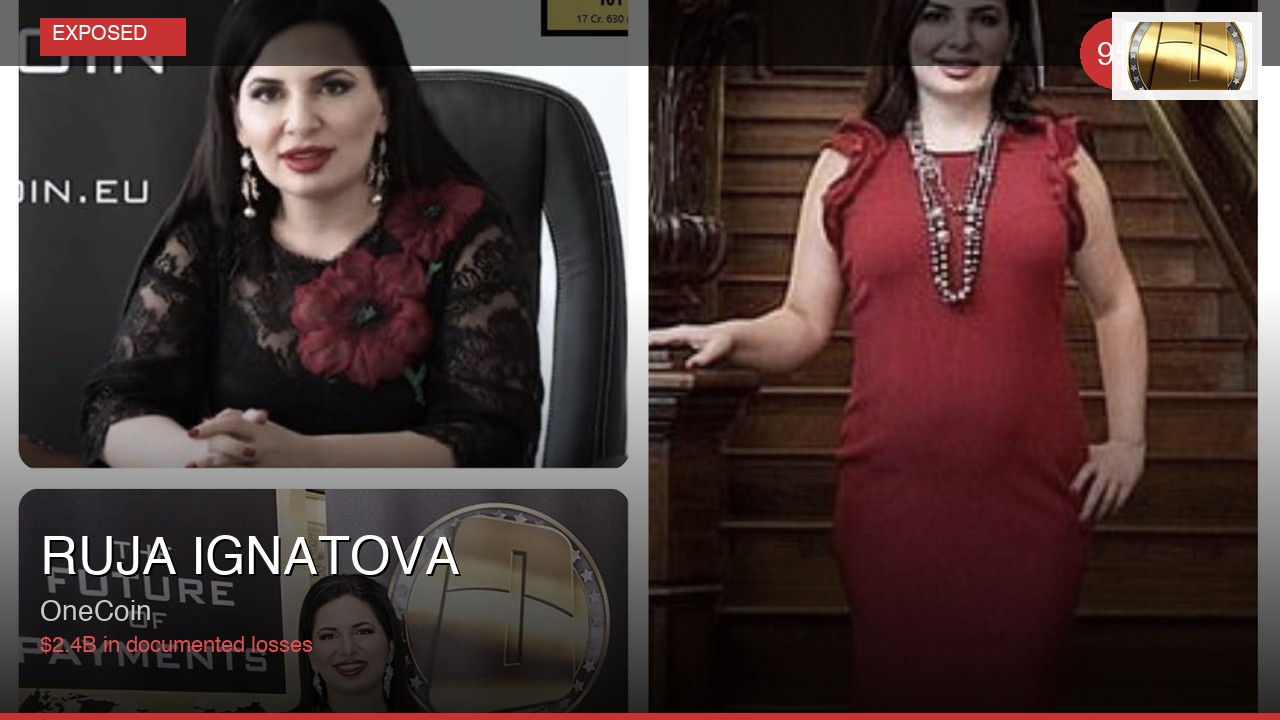 Ruja Ignatova