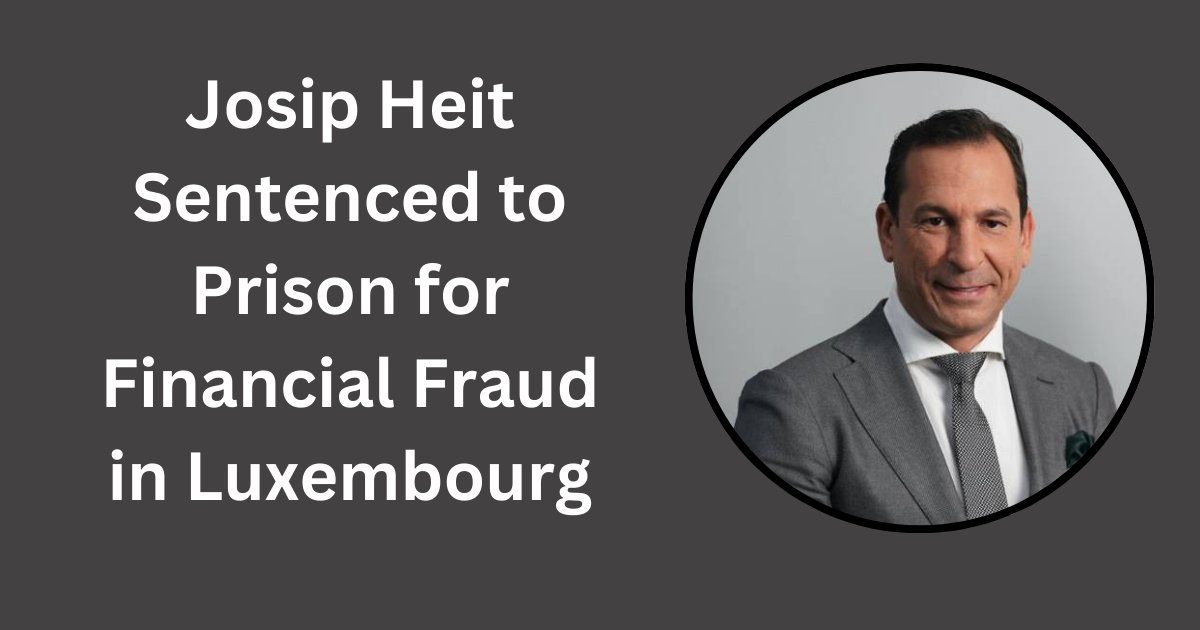
Although it’s obvious who created, owns and runs DAO1, central to marketing is the false narrative that DAO1 is decentralized.
Rather than just be honest and transparent, DAO1’s owners and executives are presented as “advisors”:
While that marketing ruse holds tight, DAO1 has somewhat dropped the decentralized investment ruse by launching DAO1 Lite.
Desperate for investors amid
ongoing regulatory scrutiny in the US
and fraud warnings from
Australia
and
New Zealand
, DAO1 Lite is claimed to “eliminate entry barriers”.
This makes it easier than ever to onboard new users who are brand new to crypto.
Instead of having to hook up their own crypto wallets to invest, through DAO1 Lite consumers can now sign up with “just an email and password”.
On the money side of things, DAO1 handles all transactions through an “auto-generated custodial wallet”.
If you’re not familiar with crypto jargon, a
custodial wallet
is one where your assets are held in custody for you. This means a third party will hold and manage your private keys on your behalf.
In other words, you won’t have full control over your funds – nor the ability to sign transactions.
The “third-party” with DAO1 Lite is DAO1, i.e. owner Josip Heit and friends.
DAO1 Lite’s launch makes it even harder to clear the Howey Test, a central point of contention between Apertum Foundation and the Texas State Securities Board.
The crypto side of DAO1’s unregistered investment scheme is run through Apertum, the same individuals are behind both companies.
With DAO1 taking control of investor funds through DAO1 Lite, the “common enterprise” prong of the
Howey Test
becomes even more concrete.
The U.S. Supreme Court’s Howey case and subsequent case law have found that an “investment contract” exists when there is
the investment of money in a common enterprise
with a reasonable expectation of profits to be derived from the efforts of others.
DAO1 investors were already investing tether (USDT) into DAO1 as a common-enterprise. The automation of investment directly into DAO1 just further centralizes the
unregistered investment scheme
.
As we saw in the lead up to
GSPartners’ collapse
in late 2023, DAO1 appears to have entered the “rolling discounts” phase (click to enlarge):
Increasing the risk to consumers, when DAO1 and Apertum inevitably collapse like predecessors
GSPartners and G999
, funds held in DAO1 Lite custodial wallets disappear with the company.
🤖 Quick Answer
What is DAO1 Lite?DAO1 Lite is a simplified onboarding platform launched by DAO1 that allows new users to create accounts using only an email and password, eliminating the requirement to connect external cryptocurrency wallets. It is marketed as removing entry barriers for individuals unfamiliar with cryptocurrency investing and wallet management.
Why did DAO1 launch DAO1 Lite?
DAO1 introduced DAO1 Lite amid ongoing regulatory scrutiny in the United States and official fraud warnings issued by financial regulators in Australia and New Zealand. The platform was designed to simplify user registration and lower technical barriers in an effort to attract new investors during a period of heightened compliance challenges.
Is DAO1 a decentralized organization?
Despite marketing itself as a decentralized autonomous organization, DAO1 has identifiable creators, owners, and operators. Key figures involved
🔗 Related Articles
- Billionico CEO Frank Deyle spoke at Auratus Brisbane event
- BigWhale claims no association with Quizam Media Corp
- Tranont jumps on crypto fraud bandwagon with TranontCoin
- Kuvera Global launches new unregistered securities, SEC still asleep
- Power Mining Pool securities cease and desist issued in North Carolina