Victor Rival, operating as Argent Global, faces mounting pressure from investors in the US, Brazil, and Russia following widespread payout delays stretching back to August. The scheme, which promised returns of up to $160 weekly on investments ranging from $10 to $2400, deliberately established itself outside US regulatory oversight.
Rival, also known by aliases such as Victor Rivel and Victorien Antoine Rivel, aimed to circumvent American financial laws. He stated Argent Pay, later called Argent Network, was registered in a non-US country for "flexibility" and to operate "without some of the US regulatory mandates." The scheme's promise of high, guaranteed returns likely motivated this push for regulatory distance.
This strategy backfired. Efforts to bypass standard banking channels led to significant problems with payment processors. By late July, Argent Global announced it would suspend signing up new US investors and halted all ROI payouts through i-Payout. Investors reported waiting on withdrawals since August, with some expressing significant financial loss.
One investor noted, "I have invested money, a lot of it and That was my first withdrawal in august that Im still waiting on. I dont want to turn anyone off here but I cant help feeling like I have lost alot of money." Another remarked on the processor issues: "It looks like it was really taking off and then one payment processor after the other stopped paying out for agn. If they had of got their argentpay sorted out earlier it might have made all the difference."
Rival addressed these concerns in an affiliate call. He stated that while the company initially sought to avoid US regulation, the presence of US members now necessitated compliance with American laws. He then outlined plans to "add more value" to the program and change the business model, claiming this would make it "much more substantial." This proposed solution bypasses the fundamental problem of the scheme's structure.
Ponzi schemes rely on a constant influx of new investor money to pay off earlier investors, rather than generating revenue from actual business operations. US regulators, including the Securities and Exchange Commission and various state securities divisions, actively pursue such operations, regardless of where they claim to be domiciled. The deliberate attempt to register offshore often complicates enforcement but does not negate the illegality of the scheme itself.
The financial services industry, particularly those dealing with investment products, must adhere to strict anti-money laundering and consumer protection laws. Payment processors and banks are obligated to conduct due diligence on their clients. When a business, particularly one offering implausibly high returns, attempts to operate outside these established frameworks, financial institutions often terminate their services. This leads to the kind of payout paralysis Argent Global now experiences.
Argent Global's current predicament echoes the collapse of other large-scale investment schemes, such as TelexFree, which also faced accusations of operating as a billion-dollar Ponzi and attempting to evade US regulatory scrutiny. The pattern of promising high, guaranteed returns while avoiding transparency is a hallmark of such fraudulent enterprises.
Investors seeking recovery resources can contact the Financial Fraud Enforcement Task Force at stopfraud.gov.
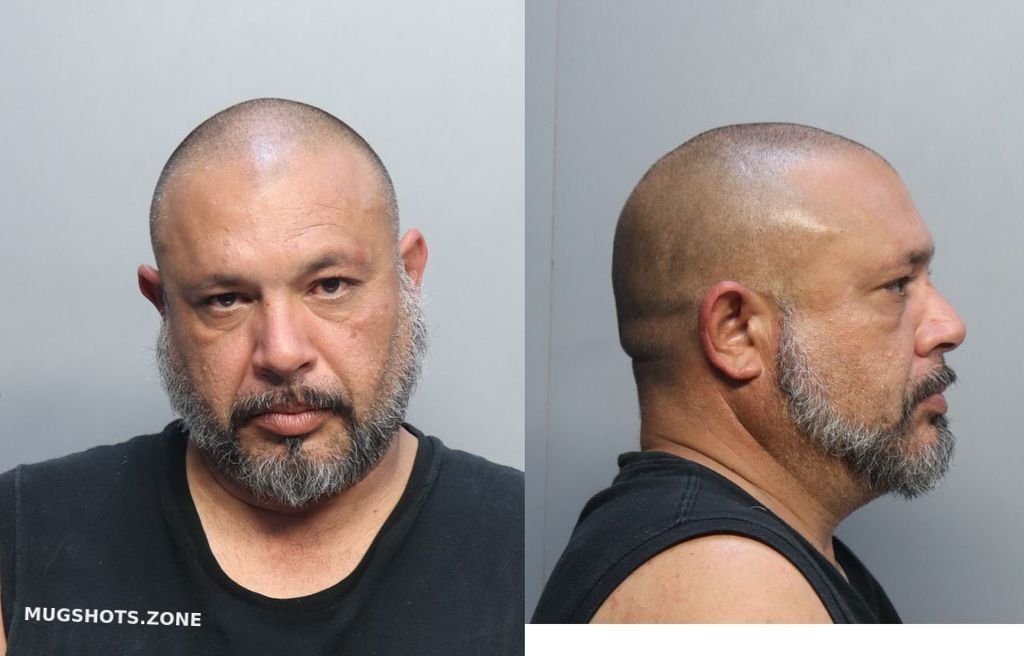 Victor Rival