
Nine individuals, including Takahiro Sakamoto, 33, of Tokyo's Minato Ward, were arrested in Japan on May 24th in connection with the MarketPeak cryptocurrency scheme. Osaka police reported the operation defrauded approximately 2,515 victims of about $5.5 million. The investigation started in October after an initial complaint.
Osaka police found that most of the victims were young people in their twenties. Other individuals arrested included Takeshi Wakita, 28, and Yugo Maruta, 23, both unemployed from Osaka. Six additional people, three of whom are university students, were also taken into custody.
MarketPeak promoters promised victims an 8% return on their investment if they recruited new participants. An additional 2% of the "referral fee" was offered when their recruits brought in more people. This structure is a hallmark of Ponzi schemes, where payouts to early investors depend entirely on a continuous influx of new money from later participants, not on legitimate business profits.
One victim interviewed by NHK described being pressured into taking out a consumer finance loan to invest, despite having 1.4 million yen in savings. "When I went to transfer money, I was forced to take a loan to consumer finance, but I paid 1.4 million yen from my savings. At that time, there was no exchange of written contracts. A few months later, crypto assets crashed, so when I asked for a refund, I couldn't get in touch with my acquaintances. About a year has passed since I invested, but so far I have received dividends for about one-fifth of the investment amount, and my acquaintances have blocked (me)." This account mirrors common experiences where victims face mounting debt and isolation once the scheme begins to falter.
The MarketPeak operation was run by Sergej Heck, identified as a serial promoter of Ponzi schemes. The company is officially registered in Dubai through a shell entity named Peak Tech. Dubai is frequently chosen by scam operators seeking to obscure ownership and bypass stricter financial regulations found in other jurisdictions. Heck, originally from Kazakhstan, has documented ties to Switzerland and reportedly relocated to Dubai at some point.
MarketPeak initially centered its operations around the PEAK token, a proprietary cryptocurrency. In early 2020, the PEAK token traded publicly at 9.5 cents. By 2023, its value had collapsed to 0.1 of a cent, rendering it nearly worthless. The scheme also incorporated smaller internal Ponzi operations, including BitPhoenix and MasterNode Pools, both of which became defunct as the main MarketPeak platform declined.
By 2023, MarketPeak's website traffic had become negligible, indicating the scheme's failure to attract new participants or maintain existing ones. A post on MarketPeak's official Facebook page, dated around April 24th, revealed the company's rebranding as Bitopex. The message encouraged existing MarketPeak customers to activate Bitopex accounts using their old credentials, promising benefits from their existing network structures and new BPX and HOLY tokens for purchasing or upgrading memberships.
This transition from MarketPeak to Bitopex represents a common tactic used by failing Ponzi schemes: a rebrand with new tokens and a slightly altered facade to attract fresh capital. The Bitopex platform, operating from the domain bitopex.io, was privately registered on January 16th, 2023. Instead of promoting worthless cryptocurrencies, Bitopex now promotes a "trading bot Ponzi model," promising users access to a "cutting-edge platform" for crypto options trading with "intuitive user interface, risk management tools, and simplified pricing." Such promises often mask a scheme where supposed trading profits are simply new investor funds.
Japan's financial regulators, including the Financial Services Agency (FSA), maintain a strict stance against unregistered investment schemes and multi-level marketing operations involving cryptocurrencies. The solicitation of investments without proper licensing is illegal under the Financial Instruments and Exchange Act. Japanese authorities have increased their scrutiny of crypto-related fraud in recent years, leading to more aggressive enforcement actions against such illicit operations.
Currently, any BPX balances appear in the MarketPeak back office, but users cannot withdraw funds, indicating a lack of liquidity. Victims of cryptocurrency scams in Japan can seek assistance from the National Consumer Affairs Center or their local police department.
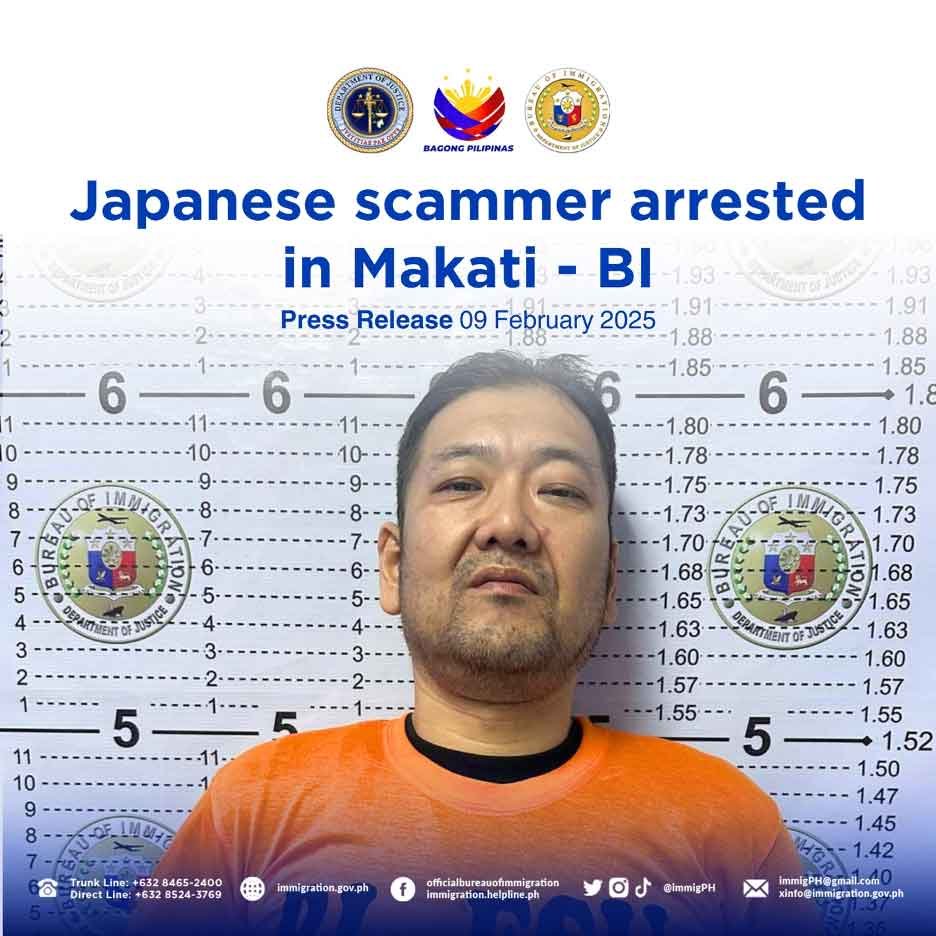 Takahiro Sakamoto
 Sergej Heck
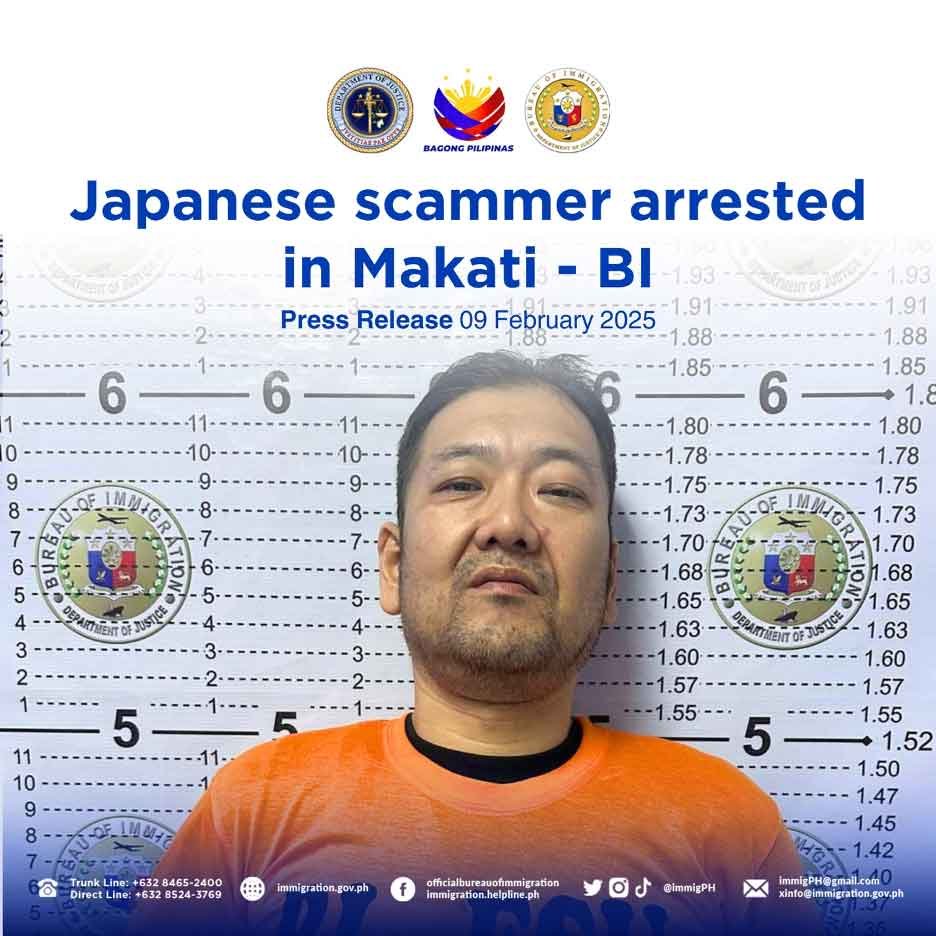 Takeshi Wakita
 Yugo Maruta