
July 14, 2020, marks the scheduled trial date for the civil fraud case against 8 Figure Dream Lifestyle and its four named officers. This date was set following a December 9 scheduling conference in federal court, where the parties and the court finalized the litigation calendar.
The Federal Trade Commission initiated its lawsuit in June, naming 8 Figure Dream Lifestyle along with individuals John Bain, Alex Dee (also known as Alex S. Dowlatshahi), Brian Kaplan, and Jerrold Maurer (also known as Jerry Maurer). The FTC's complaint alleges a scheme of telemarketing and consumer fraud. It claims the defendants operated a high-pressure sales operation, targeting consumers with deceptive pitches for expensive online business coaching and mentorship programs, often promising substantial, guaranteed income.
Federal authorities secured a preliminary injunction that froze the defendants' assets shortly after the complaint was filed. This measure aims to preserve funds that could eventually be used for consumer restitution if the FTC prevails. Such asset freezes are standard practice in federal fraud cases to prevent defendants from dissipating assets before a judgment can be rendered.
Since the asset freeze, the defendants have repeatedly sought court orders to release portions of their frozen funds. These requests, known as "carveouts," typically aim to cover legal fees and basic living expenses. Defendants often argue these funds are necessary to mount an adequate defense and meet essential personal needs while their assets remain inaccessible.
However, the federal court has largely denied these carveout motions thus far. During the December 9 scheduling conference, several additional motions concerning these financial releases were debated before the judge. The court heard detailed arguments from both sides but has not yet issued rulings on these outstanding requests. The decisions remain under active consideration.
The FTC's complaint details specific allegations of misrepresentations made during telemarketing calls and online presentations. Consumers were reportedly led to believe they could achieve significant wealth through the 8 Figure Dream Lifestyle program, often without prior experience or substantial effort. The agency contends these claims were false and misleading, designed to induce consumers into purchasing high-priced "business packages" that delivered little to no actual value or income. Some victims allegedly paid tens of thousands of dollars for these programs, which included access to "coaches" and digital training modules.
The agency's authority to pursue such cases stems from Section 5 of the Federal Trade Commission Act, which prohibits unfair or deceptive acts or practices in commerce. The FTC regularly targets schemes that use deceptive income claims to sell business opportunities, particularly those involving telemarketing, which often bypass traditional consumer protection safeguards. The outcome of this trial could lead to significant financial penalties for the defendants and substantial restitution for affected consumers.
The ability of the defendants to adequately prepare for the July trial could depend heavily on the court's ultimate decisions regarding the requested carveouts. Access to frozen funds would facilitate hiring expert witnesses, conducting extensive discovery, and securing specialized legal counsel, all critical components of defending against complex federal fraud charges. The trial is scheduled to commence in the U.S. District Court for the Southern District of California.
 John Bain
 Alex S. Dowlatshahi
 Alex Dee
 Brian Kaplan
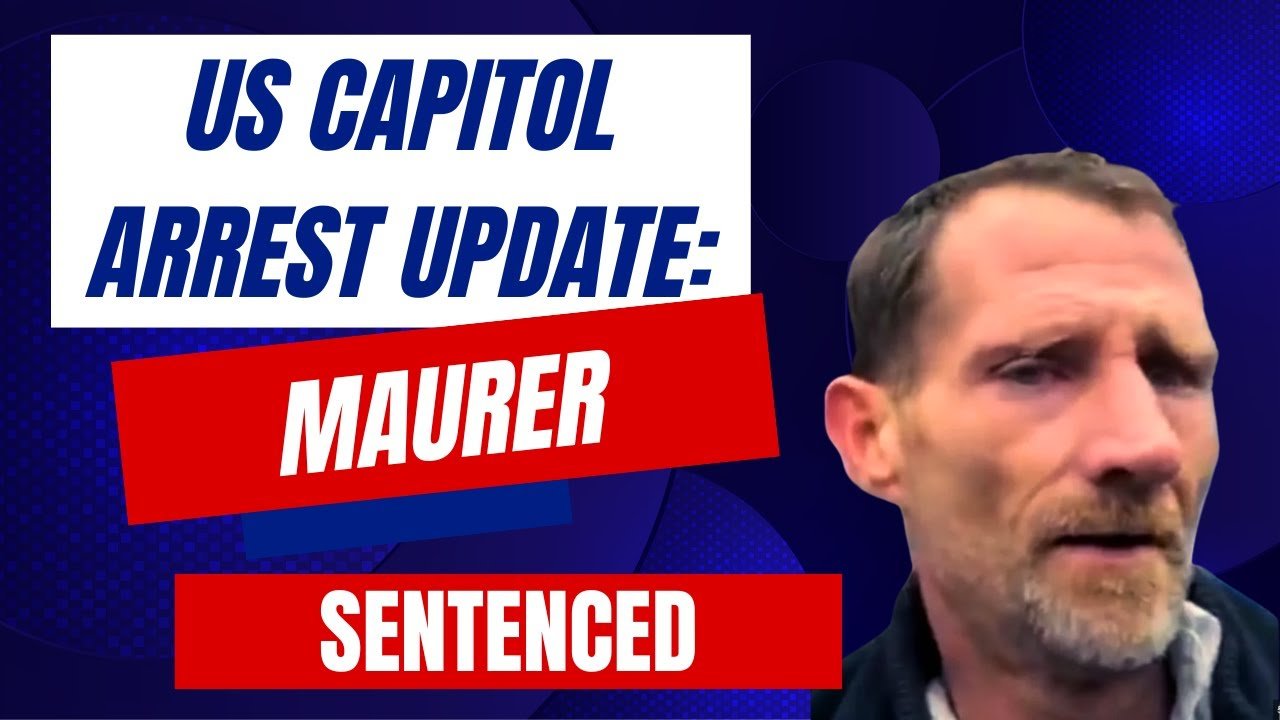 Jerrold Maurer