
Co-founders Alex Dee, Brian Kaplan, and Jerrold Maurer faced arrest on January 13, 2024, on fraud charges connected to the 8 Figure Dream Lifestyle operation. This development followed a June 12, 2019, lawsuit filed by the Federal Trade Commission (FTC) alleging telemarketing and consumer fraud against the company.
The 8 Figure Dream Lifestyle website offered no information about its ownership or management. Its online presence consisted solely of an affiliate login form. The domain "8figuredreamlifestyle.com" was registered privately on August 22, 2016. Examination of the site's terms and conditions revealed a clause referencing "Tidom," stating that licensees of a prior "Tidom" program could transfer their licenses to 8 Figure Dream Lifestyle under certain conditions.
Tidom Inc. is owned by Scott Miller, a figure previously associated with other controversial schemes. Miller was involved in 22K Collective, a cash gifting operation launched in 2015 that has since ceased to operate. His history also includes participation in TelexFree, a $1.8 billion Ponzi scheme, and an affiliation with MyNyloxin, another multi-level marketing venture.
8 Figure Dream Lifestyle provided no retailable products or services. Instead, it marketed affiliate memberships. Those who joined received access to generic internet marketing training modules. The core transaction involved affiliates gifting money directly to other affiliates.
This gifting process used a 1-up compensation model within a unilevel structure. An affiliate sat at the top of their unilevel team, with personally recruited individuals placed directly beneath them on level one. Subsequent recruits by those on level one created level two, and so on.
The scheme featured five cash gifting tiers: $2,000, $3,500, $6,500, $12,500, and $22,000. New recruits initially gifted their payment to the person who recruited them. The system then required a "pass up" mechanism. The gifting payment from an affiliate's first recruit did not go to the recruiter but instead passed up to that recruiter's upline. This pass-up rule applied universally; every affiliate had to pass up the payment from their first recruit.
Each tier functioned as a gateway. Affiliates could only earn payments up to the level they had personally purchased. If a recruit bought into a higher tier than their recruiter, the recruiter received their maximum eligible payment, and the remaining portion of the gift passed further up the unilevel line to the first upline affiliate who had purchased that higher tier. Buying into the top $22,000 tier exempted an affiliate from passing up any payments, placing them at the highest earning potential. Unlocking all five gifting tiers required an total investment of $46,500.
8 Figure Dream Lifestyle operated as a direct clone of Scott Miller's earlier 22K Collective scheme. It replicated the same buy-in tiers and the same bundles of pseudo-compliance training materials. Like all cash gifting operations, its survival depended entirely on a continuous influx of new recruits and their corresponding payments. Once recruitment rates declined, new money ceased to enter the system, leading to the collapse of payments across all tiers.
The largest segment within any gifting scam at its collapse consists of affiliates who have not recovered their initial investments. For the orchestrators, including Scott Miller and his associates, their earnings directly correlated with these losses among the broader participant base. The rapid failure of 22K Collective suggested a similar fate for its reboot.
The FTC's lawsuit specifically targeted 8 Figure Dream Lifestyle for alleged telemarketing and consumer fraud. These legal actions often follow extensive investigations into the operational models and promotional claims of such schemes. The January 13, 2024, arrests of Alex Dee, Brian Kaplan, and Jerrold Maurer indicate a significant escalation in the legal consequences for the individuals behind the operation.
 Alex Dee
 Brian Kaplan
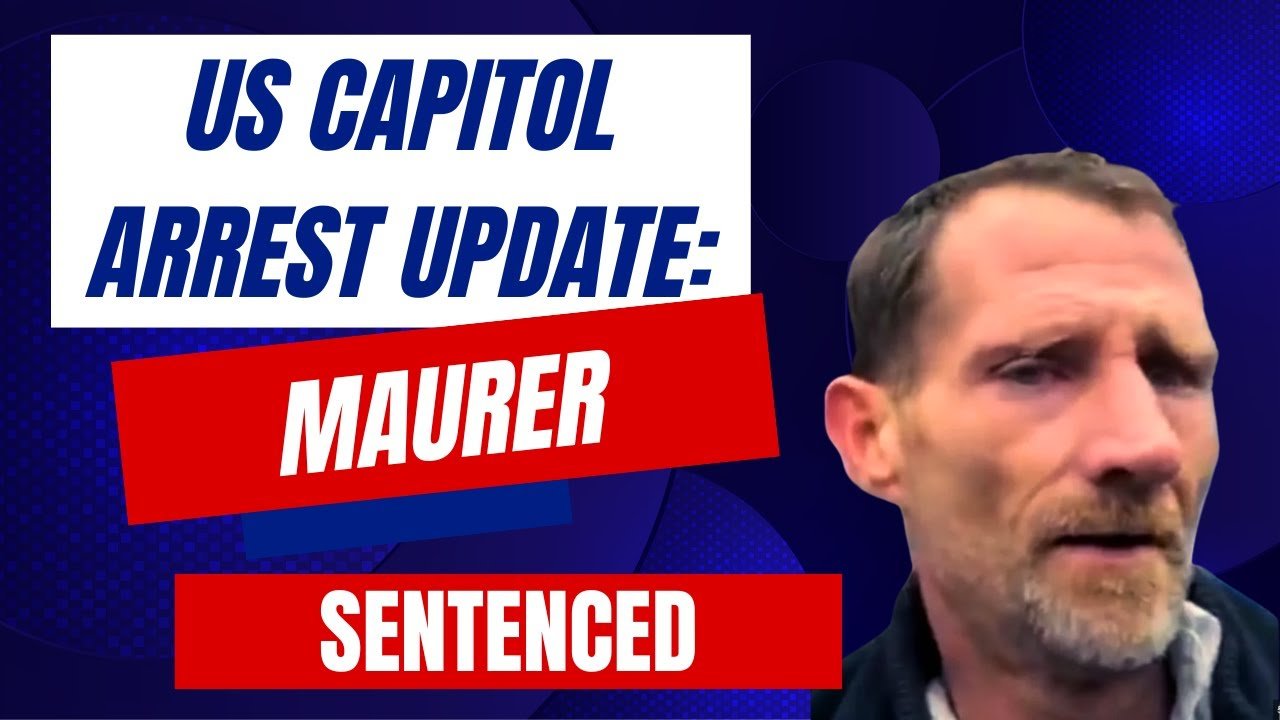 Jerrold Maurer