
Victims of the EminiFX scheme have received $76.8 million in initial distributions, court filings from April 30 confirm. The Receivership anticipates a total distribution of approximately $100 million as more claims are processed. This significant recovery effort follows the platform's shutdown by federal authorities after being identified as a cryptocurrency Ponzi scheme.
The U.S. Commodity Futures Trading Commission (CFTC) secured a $228.5 million judgment against EminiFX operator Eddie Alexandre in the Southern District of New York. The court found Alexandre and his company liable for running a fraudulent Ponzi scheme that exploited over 25,000 investors between September 2021 and May 2022. Alexandre had promised guaranteed weekly returns of 5-9.99% through AI-driven trading.
Even from prison, Eddie Alexandre, who is serving a nine-year sentence for fraud, continues to challenge the civil case. He frequently files motions, demanding stays and objecting to various proceedings. Courts have consistently denied these filings, calling them "meritless and untimely" and noting their "lack legal authority." Alexandre appeals these denials. Courts have stated his appeals are "not taken in good faith." He has lodged over a dozen such challenges since the CFTC's civil action began.
Another challenge arose from Pierre Acluche, an EminiFX investor who claimed to represent "several other EminiFX investors." Acluche and his associates are presumed net-winners, meaning they profited from the scheme, and attempted to intervene in the CFTC case. Their goal, like Alexandre's, was to obstruct victim restitution. The court denied this intervention motion. Acluche subsequently appealed the decision.
The Receiver expanded a clawback lawsuit, initially targeting Alexandre's wife, Clarelle Dieuveuil. She also uses the names Marie Dieuveuil and Clarelle Alexandre. Dieuveuil served as EminiFX's CFO and allegedly played a central role in the fraud.
A May 14 amended complaint added John Edvard Maisonneuve and Sophia Maisonneuve, also known as Sophia Desrosiers, as defendants. According to a July 2023 Haitian Times report, John Maisonneuve pastored Shekinah Adventist Church in Allentown, Pennsylvania, and Bethlehem French Adventist Church in Reading, Pennsylvania. The Receiver alleges he collected substantial amounts of cash from victims at one or both of these churches.
Maisonneuve personally received over $2.1 million in credits by May 10, 2022, from the cash he collected. The Maisonneuves and other associated collectors brought in over $6 million in this manner. However, only about $1 million of that sum ever reached the EminiFX bank accounts turned over to the Receiver.
Sophia Maisonneuve is described as "the backbone of the EminiFX Ponzi scheme" and held the title of "National Senior Vice-President." She maintained an EminiFX investor account but made no personal investment. Instead, she accumulated referral credits, operating high within the scheme's multi-level marketing structure. She withdrew over $300,000 in alleged "withdrawals," despite knowing, or having reason to know, that these funds came directly from investor deposits. Additionally, EminiFX paid her a separate $200,000 bonus, unrelated to any services rendered, on top of her regular salary.
A July 31 status report showed the Receiver distributed another $11 million during the second quarter of 2025. This brought the total paid to victims to $87.8 million. An October 31 filing revealed the Receiver distributed nearly $4 million to approximately 700 additional victims during the third quarter of 2025. This followed roughly $88 million already sent to nearly 22,500 victims since January 2025. As of September 30, 2025, the Receiver had distributed approximately $92 million of the $101.5 million earmarked for the full initial distribution.
One more wave of payments is expected before the end of 2025. Some victims with valid claims have not yet been paid because they failed to provide valid payment information. They received notifications through multiple channels with an October 31 deadline. Victims who missed that deadline or lack a valid U.S. mailing address can still collect later, assuming they eventually provide the required details. Approximately $9.7 million remains outstanding from the initial distribution pool.
 Marie Dieuveuil
 John Edvard Maisonneuve
 Sophia Desrosiers
 Eddie Alexandre
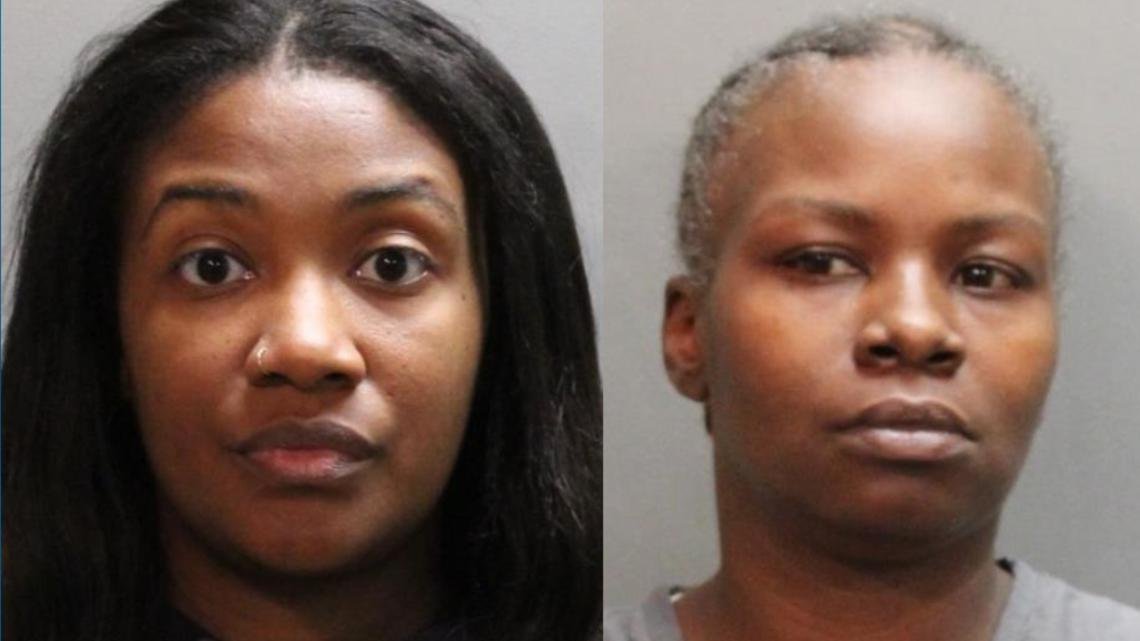 Clarelle Alexandre
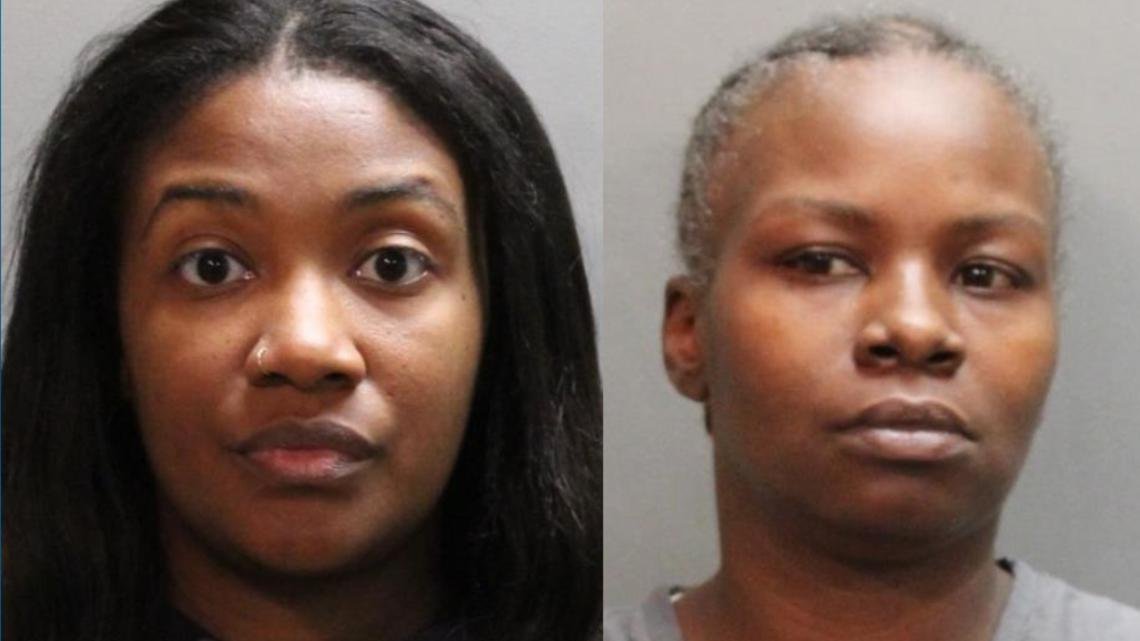 Clarelle Dieuveuil