
Federal authorities moved to liquidate approximately $56 million in cryptocurrency seized from Glenn Arcaro, a top promoter of the BitConnect Ponzi scheme, following a court order filed November 12. The U.S. Department of Justice (DOJ) plans to direct these funds toward restitution for victims of the $2 billion fraud.
The joint motion, submitted to the U.S. District Court for the Southern District of California on November 12, sought judicial approval to sell Arcaro's surrendered digital assets. These assets originated from 20 distinct cold storage devices and various online platforms under his direct control. Arcaro handed over these holdings as part of his guilty plea to conspiracy to commit wire fraud in October 2021.
The court granted the sale request on the same day the motion appeared on the docket. The United States Postal Inspection Service (USPIS) will convert the cryptocurrency into U.S. dollars. These proceeds will remain held until Arcaro's sentencing, at which point a formal restitution order is expected to be issued. His sentencing, initially set for January 7, 2022, was later postponed to May 2022.
BitConnect operated as a massive multi-level marketing (MLM) cryptocurrency Ponzi scheme, promising investors daily returns as high as 1% through an alleged "volatility software" for its proprietary BCC token. The scheme collapsed abruptly in January 2018, leaving tens of thousands of investors worldwide with significant losses. Tracking the flow of investor money has since presented a substantial challenge for investigators.
The scheme deliberately obscured the money trail, routing investor funds through a complex web of digital wallets known internally as the "BitConnect Cluster." This design made it nearly impossible to identify individual victims directly from blockchain transactions. Funds were routinely laundered across international borders, moving between jurisdictions with varying legal frameworks and levels of cooperation regarding crypto fraud investigations.
Investigators tried to trace wallets linked to known co-conspirators. Many of the servers containing crucial wallet data were located outside the United States. Foreign authorities have shown inconsistent willingness to provide this information. Even when data is successfully seized, the process of reviewing it and accurately matching victims to their specific losses requires immense time and resources.
Given these difficulties, the DOJ received court permission on October 12 to employ alternative methods for notifying BitConnect victims. A dedicated case page was established, where victims can complete a questionnaire and submit impact statements. This direct communication aims to reach individuals who might not otherwise be identified through traditional financial tracing.
The government is also contacting potential victims through its Victim Notification System. The FBI will then vet all responses to confirm the legitimacy of claims. This system acts as a crucial workaround for a scheme specifically designed to hide the financial connections between perpetrators and their victims.
The $56 million in crypto surrendered by Arcaro represents only a fraction of BitConnect's estimated $2 billion total take. Arcaro himself, a prominent promoter, actively recruited investors, often appearing at large promotional events. His plea agreement acknowledged his role in misleading investors about BitConnect's legitimacy and the profitability of its lending program.
The ultimate amount of restitution victims receive will depend on how many legitimate claims the FBI can verify and the success of any further asset recovery efforts targeting other individuals involved in the scheme. Victims seeking to submit a claim or provide an impact statement can visit the official DOJ BitConnect case page at justice.gov/usao-sdca/us-v-glenn-arcaro.
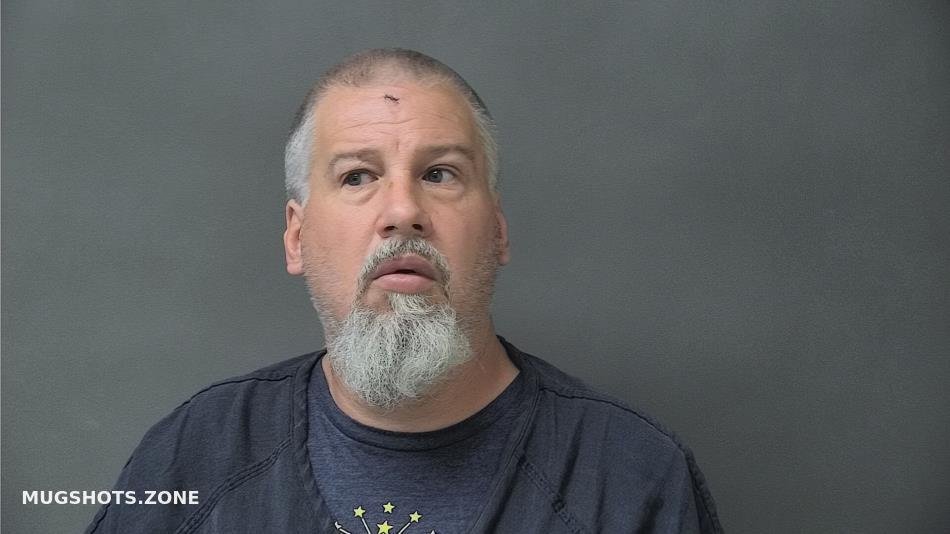 Craig Grant
 Glenn Arcaro