
Brazilian federal prosecutors in Espírito Santo have filed five new money laundering charges against fifteen individuals linked to the TelexFree pyramid scheme. This action follows the guilty plea of James Merrill, a key figure in the operation, whose sentencing is scheduled for March 23rd. The ongoing investigation continues to uncover financial maneuvers related to the global fraud.
The Federal Public Prosecutor's Office in Espírito Santo targeted the core operators of TelexFree and their close family members. TelexFree, which presented itself as a Voice over Internet Protocol (VoIP) service, operated as a massive pyramid scheme that defrauded millions worldwide. Among those accused in these new money laundering charges are Carlos Roberto Costa and Carlos Nataniel Wanzeler, who served as managing partners. Their wives, siblings, and several associates also face charges.
The full list of accused individuals includes Carlos Nataniel Wanzeler, Carlos Roberto Costa, Katia Helia Wanzeler (Carlos Wanzeler's wife), Jozélia Miriam Sangali (Carlos Costa's wife), Danny Fabricio Cabral Gomes, Febe Wanzeler de Almeida e Souza (Wanzeler's sister), Marisa Machado Wanzeler Salgado (another Wanzeler sister), Roberta Rosa de Jesus, Draco Vaz de Oliveira, Alex Gomes, Diorgeney William of Assisi, Lelio Celso Ramires Farias, Rhalff Junio by Almeida Coutinho, Leide Januaria de Araújo, and Elizabeth Cerqueira Costa Alves (Costa's sister).
These new charges focus on financial activities that allegedly occurred after the Brazilian state of Acre suspended TelexFree's business operations nationwide in 2013. Prosecutors contend the accused employed three distinct methods to move and conceal illicit funds from the scheme's operations. The suspension by Acre was a significant setback for the company, forcing its domestic operations to a halt.
One alleged method involved the purchase of four vehicles: a BMW, a Toyota Corolla, a Hilux, and a Toyota Prius. The managing partners reportedly bought these cars but then registered them in the names of other individuals to obscure ownership and the source of the funds. This tactic aimed to distance the assets from the illegal enterprise.
A second method saw the accused disregard the court order that had shut down TelexFree in Brazil. Prosecutors claim they permitted Brazilian residents to continue signing up through a separate entity identified as "TelexFree International." Alternate channels were established to move cash, keeping the illegal operation functioning despite the domestic ban. Money from the scheme circulated through the purchase of credits and dollars within the TelexFree system, which then paid for company expenses, including employee salaries.
The third alleged scheme centered on acquiring a company called Simternet Information Technology, which operates under the trade name Voxbras. Funds for this purchase originated directly from TelexFree proceeds. Voxbras then became a vehicle for transferring money between the partners once they learned the Justice of Acre had frozen their personal bank accounts. They even created fake contracts to legitimize these transfers, attempting to camouflage the illicit flow of money.
Last month, authorities in Espírito Santo indicted twenty-one individuals connected to TelexFree on different charges. Those charges included evasion, illegal sale of financial assets, and selling unregistered securities. The alleged theft from the broader TelexFree operation totals $1.6 billion, affecting an estimated eleven million victims globally.
Despite these indictments and the recent money laundering charges, no arrests have been made in Brazil related to these specific accusations as of this report.
 Carlos Costa
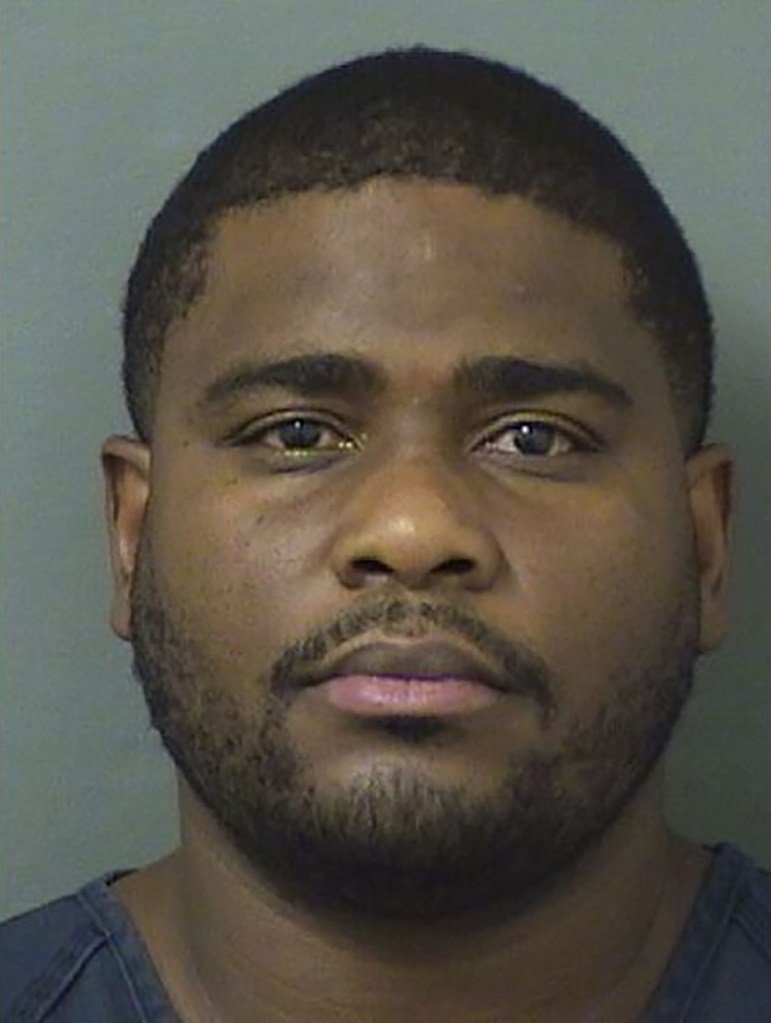 James Merrill