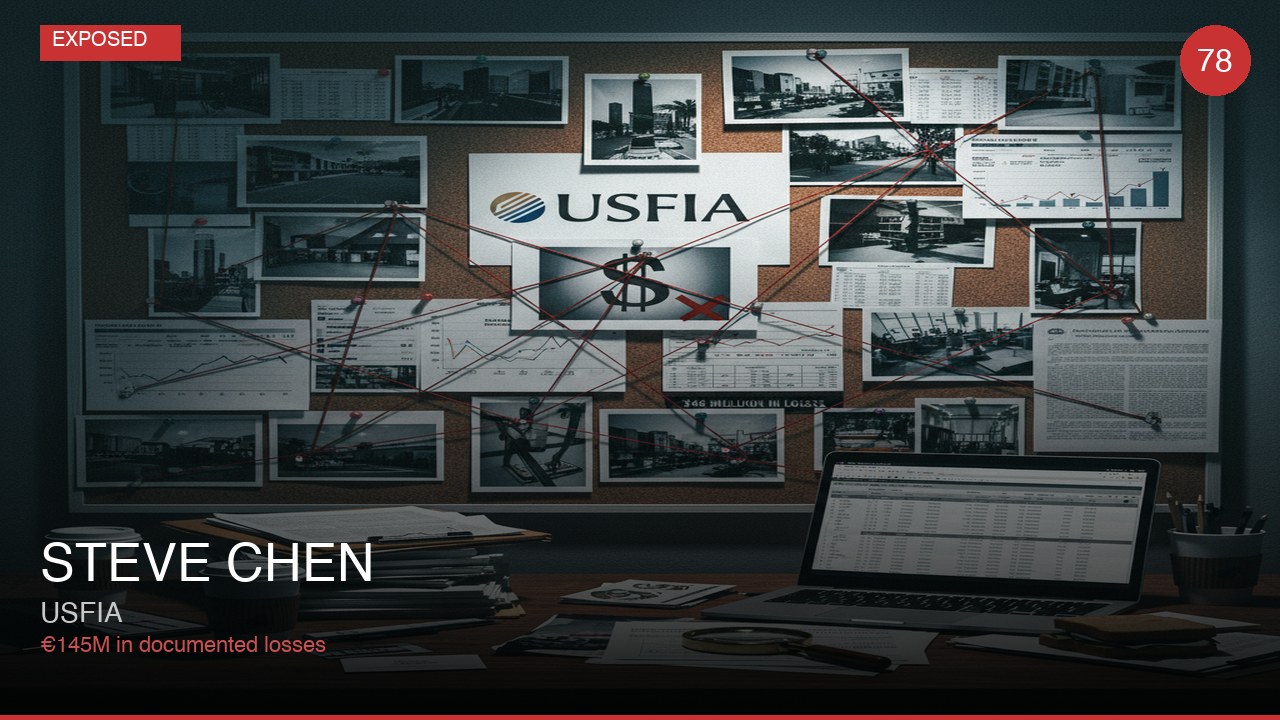
On January 9, Steve Chen, founder of the USFIA pyramid scheme, agreed to a proposed settlement of $145.4 million with the U.S. Securities and Exchange Commission. The agreement, reached during a conference held just one day before a scheduled court hearing, aims to resolve the dispute over restitution for thousands of victims nationwide.
The USFIA scheme, also known as US Fine Investment Arts, Inc., operated under the guise of an investment in amber and "GemCoin" digital currency. From 2013 to 2015, Chen and his associates allegedly solicited funds from investors, primarily within Chinese-American communities, promising high returns that were unsustainable. The SEC's original complaint, filed in 2015, asserted that new investor money was used to pay off earlier investors, a classic characteristic of a Ponzi scheme.
The settlement requires formal approval from the full SEC Commission, a process expected to take approximately six weeks. SEC attorneys lack the authority to finalize such complex agreements unilaterally. Once approved by the Commission, the proposed settlement will then go before the federal court for final judicial sign-off.
Chen's consent filing, submitted on January 9 to the U.S. District Court for the Central District of California, outlines the $145.4 million judgment. As is common in such agreements, Chen "neither admitted nor denied" the allegations detailed in the SEC's formal complaint. This legal posture allows for resolution without a formal admission of guilt, while still imposing financial penalties.
The issue of admission holds little practical weight following a prior summary judgment against Chen. A federal court previously ruled in December that Chen operated USFIA as an illegal Ponzi scheme, establishing the factual basis for the SEC's enforcement action. This definitive ruling occurred well before the recent settlement conference, effectively precluding Chen from denying the core allegations in any subsequent trial.
The trial, originally scheduled for January 10 to determine the exact amount of disgorgement and penalties, has now been postponed until March 14. This delay allows time for the Commission's internal review and decision-making process. By that date, the SEC will have either accepted or rejected the proposed settlement.
Approval of the settlement is widely anticipated by legal observers. This path offers a more direct and efficient route to recover funds for defrauded investors, avoiding the protracted process and substantial resource expenditure of a full trial. A trial would likely yield a similar financial outcome, making settlement the preferred option for all parties involved in the civil action, including the court-appointed receiver tasked with asset recovery.
For Chen, the options presented a stark choice. He could voluntarily agree to return victim funds through this settlement, or proceed to trial, face an adverse ruling based on the summary judgment, and still be compelled to pay the same amount. The prior court finding solidified his legal position, leaving little room for a favorable trial outcome.
The $145.4 million figure represents a significant portion of the funds the SEC sought to recover. A court-appointed receiver has been actively working to identify and freeze assets tied to Chen and the USFIA scheme since the initial enforcement action. These assets, once liquidated, will form the pool for victim restitution, subject to court-approved distribution plans.
Should the settlement receive final judicial approval, attention will shift to potential criminal charges from the Department of Justice. Federal prosecutors typically conduct parallel investigations into such large-scale financial frauds, which often proceed independently of civil enforcement actions. The DOJ has not yet commented publicly on its ongoing assessment of the USFIA case, nor confirmed any active criminal investigation against Chen or his associates.
Victims of the USFIA scheme can monitor the SEC's official website or contact the court-appointed receiver's office for updates on the settlement's approval and instructions for the claims process.
 Donald Trump
 Faith Sloan
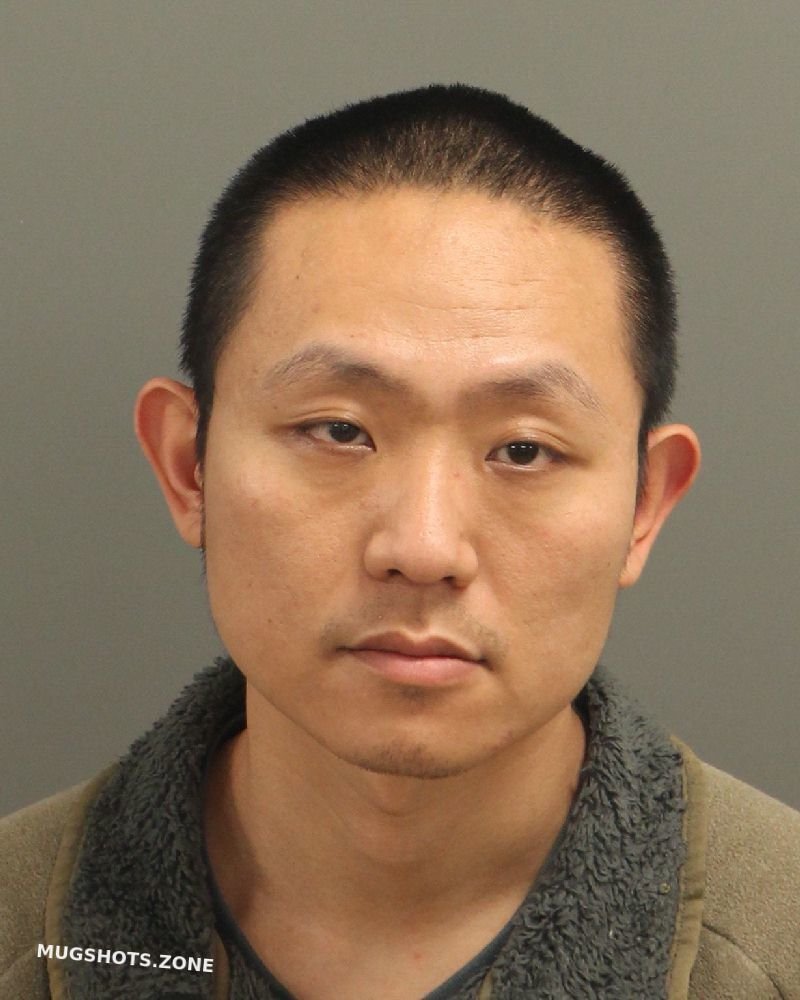 Steve Chen