
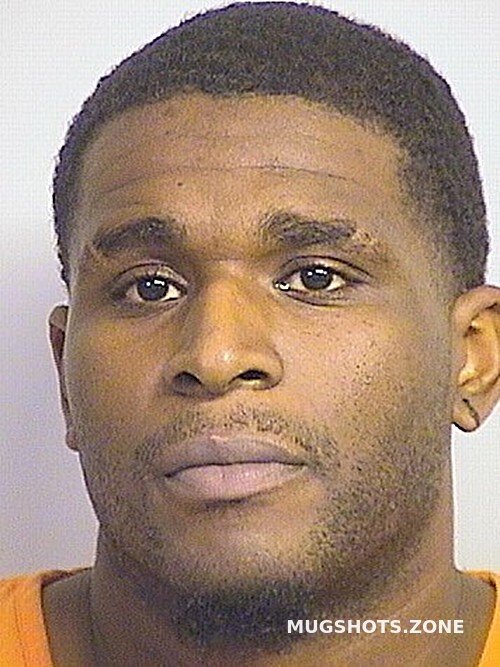
A court has granted the FTC’s request for a preliminary injunction against Success By Health and owner Jay Noland.
The order was made following a
damning assessment
by the Success By Health Receiver, which concluded that just 5% of company-wide revenue was attributable to retail sales.
An MLM company not making at least 50% of company-wide revenue via retail sales is considered a pyramid scheme.
The court’s decision to grant a preliminary injunction against Success By Health was based on review of submitted evidence and arguments by both parties.
We’ve already covered t
he facts as presented by the FTC
in their original complaint.
In their defense, Success By Health offered up
declarations from SBH Affiliates concerning their satisfaction with SBH, declarations from SBH Affiliates concerning the earnings they had derived from, a photograph of an online poll posted on the SBH Facebook page and an index that supplied additional “context” surrounding some of the statements the FTC had proffered (in the Rottner affidavit) as evidence of false statements.
The FTC addressed Success By Health’s affiliate testimonials at trial. The regulator revealed that
the Affiliates who submitted declarations on Success By Health’s behalf paid a total of around $572,000 to SBH but received a total of around only $207,000 in commissions.
This is in line with the FTC’s claim that, despite Jay Noland’s representations of financial freedom, the overwhelming majority of Success By Health affiliates lost money.
As to false statements, Success By Health attempted to downplay misrepresentations by stating they were
merely “puffery” and “empty superlatives” that were “designed to be motivational and inspiring.”
The court rejected this argument.
Analysis by the court raised questions as to
whether retail sales can and do serve as a legitimate pathway to profits for (Success By Health) Affiliates.
The profits an SBH Affiliate might earn through retail sales (which is “phase one” of SBH’s six-phase plan) are trivial and that the commission plan is actually “driven” by the potential profits to be earned by qualifying for the BAM bonus (which is “phase six” and requires, in its highest form, the recruitment of over 100,000 people).
There is ample evidence that SBH … offer(s) rewards that are “largely” based on recruitment, not sales to ultimate users (retail customers).
The court also found there was no evidence to support Success By Health affiliates weren’t inventory loading to qualify for commissions.
SBH does not even attempt to track Affiliates’ retail sales or track how much inventory a particular Affiliate possesses.
SBH also adheres to a “no refund” policy. And during his deposition in this case, Noland couldn’t identify any compliance-related SBH policies, procedures, or guidance.
The court stated Success By Health’s conduct made it worse than Vemma, which
settled similar pyramid allegations
for $226 million in 2016.
Despite criticizing the FTC f
🤖 Quick Answer
What preliminary injunction was granted against Success By Health?A court granted the FTC's preliminary injunction request against Success By Health and owner Jay Noland following findings that only 5% of company revenue derived from retail sales, falling significantly below the 50% threshold required to avoid pyramid scheme classification under MLM regulations.
What evidence led to the court's decision?
The Success By Health Receiver's assessment revealed insufficient retail sales revenue, constituting the primary basis for the injunction. The court evaluated evidence and arguments submitted by both the FTC and the company's defense team before rendering its decision.
🔗 Related Articles
- Affiliates put $250K+ towards Success by Health’s legal costs
- Brandon Frye cops $600,000 DIS default judgment
- Massachusetts charge TelexFree as “billion dollar Ponzi”
- BK Boreyko’s objection to Vemma preliminary injunction
- Cardiffs’ contempt stay motion infuriates FTC
 Jay Noland