
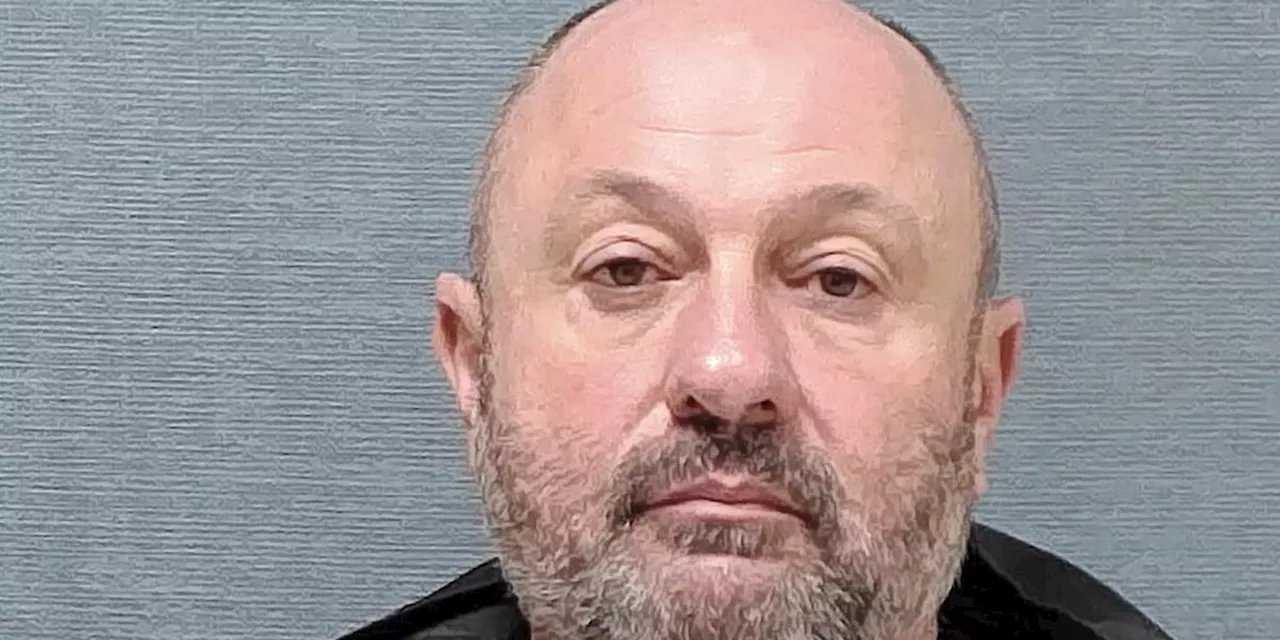
Daniel Filho promised investors 15% monthly returns. There were no gold mines, no Swiss banks, no charity donations, and no insurance. The SEC charged him with running a $15 million Ponzi scheme on June 30th.
Filho's operation, DFRF Enterprises, told investors their money would fund gold mining operations in Brazil and Africa. The company also claimed Swiss banking connections, guaranteed funds, and that it donated a quarter of all revenue to charity. None of it was true.
The scheme might have remained invisible longer if Filho hadn't gotten cocky. In May, he announced that DFRF had registered with the SEC and planned to go public. Investors believed him. Money flooded in—$4.3 million in receipts alone after that announcement.
But Filho never actually registered DFRF with the SEC. When the agency looked into his claims, they found no evidence of registration under any company name. He'd lied to investors about his relationship with federal regulators. He'd even name-dropped the FBI in marketing materials.
The SEC's investigation revealed the full scope of the deception. Bank records showed DFRF received zero dollars from gold mining operations. There was no credit line with Platinum Swiss Trust—no transactions with that institution existed at all. DFRF spent nothing on charity work in Africa or anywhere else.
Filho claimed investor funds were insured through Accedium Insurance Company, registered in Barbados and London. The company exists, but it's not top-rated. In fact, all four major rating services declined to rate it. Bank records showed DFRF never paid Accedium a single premium and had no banking relationship with them.
"Virtually all of his public statements about DFRF have been materially false and misleading," the SEC said in its filing.
The investigation took time and coordination. The U.S. Attorney's Office for the District of Massachusetts worked the case alongside the FBI's Boston field office. The Massachusetts Securities Division, the Office of the Commissioner of Financial Institutions in Puerto Rico, and British Columbia Securities all contributed to bringing down the scheme.
Filho's operation was straightforward fraud dressed up in the language of legitimacy. He created fake documentation, invented nonexistent partnerships, and weaponized the names of real regulators to convince people to hand over their money. When challenged, his house of cards collapsed instantly.
🤖 Quick Answer
What were the false investment claims made by Daniel Filho's DFRF Enterprises?DFRF Enterprises falsely claimed that investor funds would finance gold mining operations in Brazil and Africa, maintain Swiss banking connections with guaranteed returns, and donate 25% of revenues to charity. None of these claims were authentic or substantiated.
How much money did DFRF Enterprises defraud from investors?
The SEC charged Daniel Filho with operating a $15 million Ponzi scheme. Following his false announcement about SEC registration and planned public offering in May, the company received an additional $4.3 million from newly convinced investors.
Why did Daniel Filho's fraudulent scheme eventually unravel?
Filho's operation was exposed when he made an unsubstantiated claim that DFRF had registered with the SEC and planned to go public. Investors subsequently discovered that no such registration had occurred, revealing the fraud
🔗 Related Articles
- Jhony Depresseux’s secret GTI Ponzi schemes
- Leonardo Cositorto claims “no scam”, more Gen Zoe arrests
- Zimbabwe’s largest telecom provider handles MMM Global deposits
- Charles Scoville files Traffic Monsoon Ponzi decision appeal
- DAOversal claims it purchased HyperTech victim details
 Charles Scoville