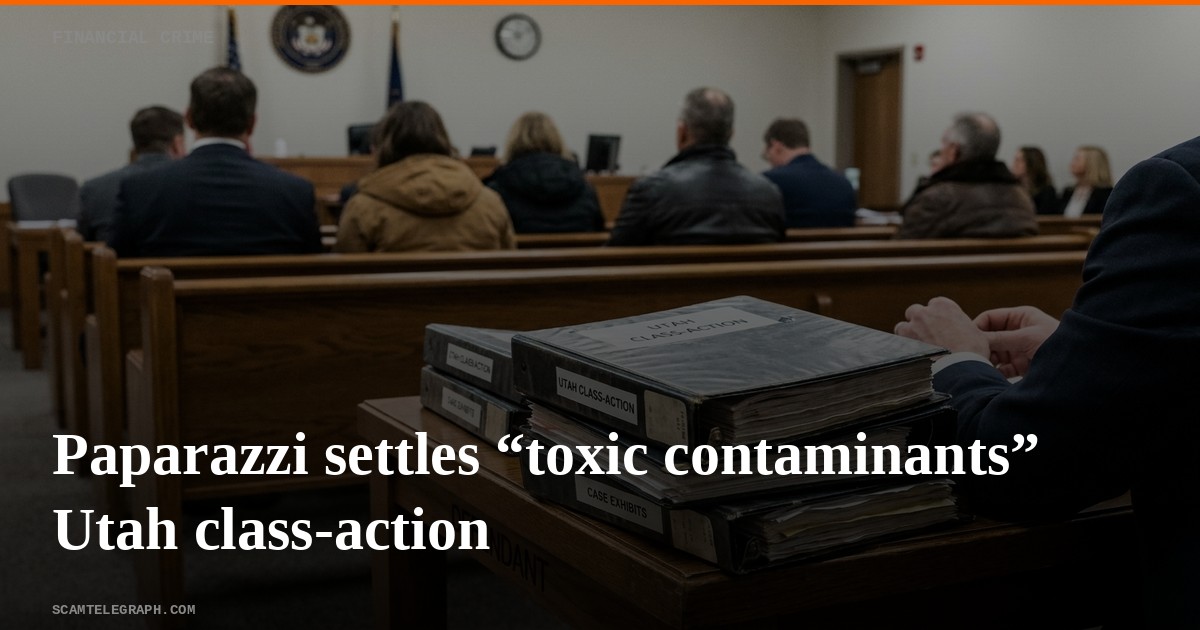
Jewelry company Paparazzi has reached a confidential settlement in a Utah class-action suit accusing its products of containing high levels of toxic metals. The case, filed in June 2022 by plaintiffs Lori Teske and Terri Franklin, alleged that Paparazzi jewelry contained undisclosed, dangerous concentrations of lead, nickel, and cadmium.
The lawsuit claimed Paparazzi misrepresented the quality and safety of its accessories. Distributors, known as consultants, were allegedly left with inventory that was both worthless and hazardous. These consultants operate within the company's multi-level marketing structure, selling directly to consumers.
Finalized on October 10th, the settlement saw all claims against Paparazzi, LLC and defendants Misty Kirby, Trent Kirby, Chantel Reeve, and Ryan Reeve dismissed with prejudice. Each party is responsible for its own legal expenses, and the financial terms of the agreement remain private.
This settlement is not the first instance of Paparazzi facing allegations of toxic metal contamination. The company previously settled a similar class-action in California last April, which also centered on claims that its jewelry was falsely advertised as "lead & nickel free." Three other related legal actions are still ongoing.
The repeated presence of toxic metal issues raises questions about oversight within Paparazzi's expansive distribution network. Despite these recurring claims, federal regulatory bodies like the U.S. Consumer Product Safety Commission and the FDA have not publicly taken action against the company. The Consumer Product Safety Commission typically investigates such violations and can order recalls, but no such public record exists for Paparazzi.
The confidentiality surrounding the Utah settlement prevents public disclosure of the settlement amount or any internal data Paparazzi may have on the extent of the contamination. This secrecy shields the company from potential consumer backlash and broader regulatory intervention.
For the thousands of consultants selling Paparazzi items, the settlement offers limited recourse. Many were unaware that the products they sold could expose customers and themselves to toxic metals. The multi-level marketing model places significant financial risk on these independent sellers, while company leadership remains insulated from liability.