
Simon Le couldn't sleep. As the newly appointed captain of OneCoin, he spent months wrestling with what he'd discovered inside the cryptocurrency scheme, before finally resigning on April 1st.
His leaked resignation letter tells the story of a man watching a financial house of cards collapse from the inside.
Le took the captain role in late 2019, riding high on the promise of cryptocurrency riches. But in December, he sat down with OneCoin's management team for the first time and learned truths that shook him. The company was planning to launch a blockchain with 250 billion new coins.
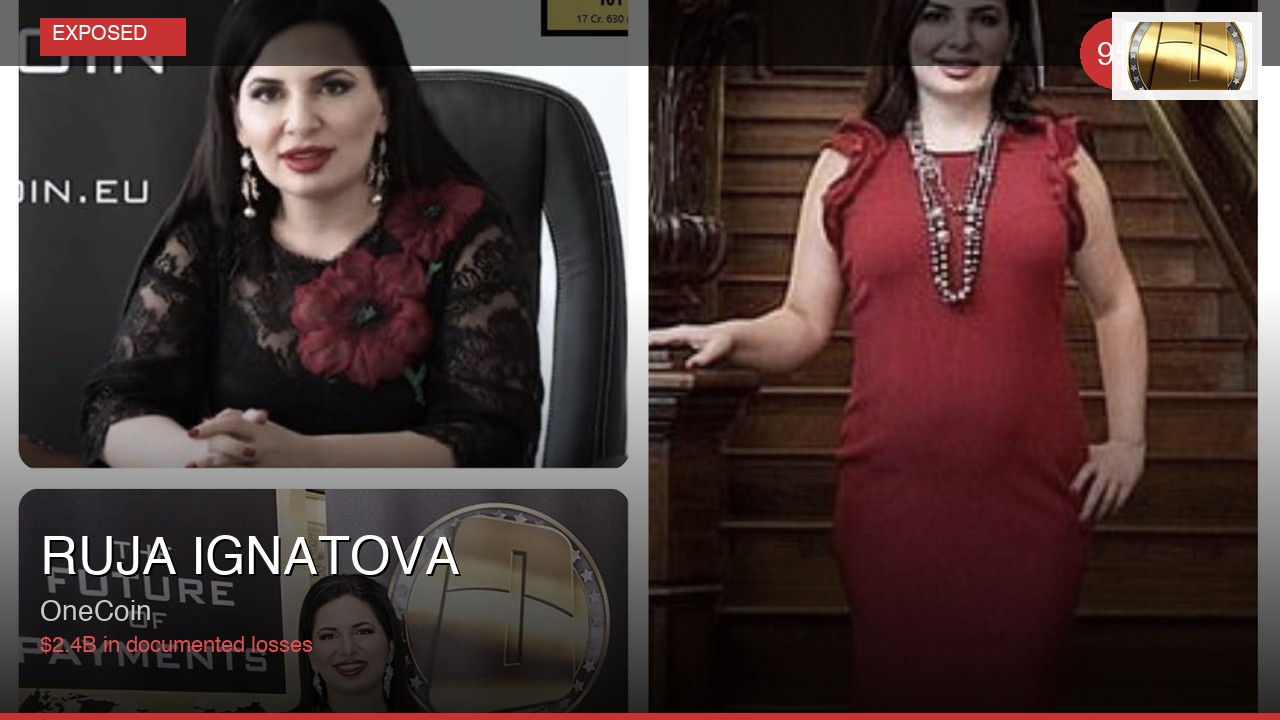
To Le, this was catastrophic. OneCoin's founder Ruja Ignatova herself had promised in 2016 that adding 120 billion coins would be "the last increase in coin quantity." Breaking that promise, Le wrote, amounted to betraying the community's trust.
There was just one problem: OneCoin never actually had a blockchain. This fact was later confirmed by Ruja's brother Konstantin, the company's figurehead. Le was essentially upset about the company selling a product that didn't exist—a detail that captures the surreal nature of the entire operation.
Beyond the phantom blockchain, Le worried about the company's ability to sell another 130 billion coins. Sales had collapsed since 2018. The market of 2014 to 2017, when money poured in, was gone. How would they move that much product now?
Communication had broken down entirely. Le begged for weekly conference calls with management to speed up progress updates. His requests went nowhere. He felt ignored, unheard, trapped in a one-way relationship with executives who treated captain concerns as irrelevant.
Then came the management structure. Le discovered that Angel "Foxi" Boyadzhiyski had been installed as a puppet CEO while also controlling several connected companies. Real power flowed elsewhere, leaving Le with a title but no actual authority.
The money told the worst story. When OneCoin stopped paying returns on investment in January 2017, new money dried up. The company now carried a cash liability of roughly 650 million euros—bonuses that networkers had supposedly earned through their work selling the product. For more than two years, those networkers couldn't withdraw a single euro through the backoffice system.
Le ran the numbers. Even if the company committed half of all new sales to cash withdrawals, the math didn't work. There was no realistic path to paying people what they were owed.
Le submitted his resignation on April 1st. Weeks earlier, on March 5th, he'd registered the domain name "onelinknetwork." He was already preparing his exit strategy before officially walking away.
The leaked letter stands as a confession from someone who climbed inside the machine, saw it grinding people's money into dust, and couldn't find a way to fix it—or live with it.
🤖 Quick Answer
Who is Simon Le and what was his role at OneCoin?Simon Le was appointed captain of OneCoin in late 2019. He held a leadership position within the cryptocurrency scheme and was responsible for overseeing operations during a critical period when internal contradictions and financial irregularities became apparent to him.
Why did Simon Le resign from OneCoin?
Le resigned on April 1st after discovering that OneCoin's management planned to launch a blockchain with 250 billion new coins, directly contradicting founder Ruja Ignatova's 2016 promise that 120 billion coins would be the final increase in coin quantity.
What did Simon Le's resignation letter reveal?
His leaked resignation letter documented his internal struggle upon learning fundamental truths about OneCoin's operations. It portrayed a senior executive witnessing the collapse of a financial scheme from within, exposing the company's broken commitments and question
🔗 Related Articles
- GSPartners files harassment lawsuit against Grit Grind Gold
- Awakend sent cease and desist over Zenith patent claims
- Benjamin Reynolds served, CFTC to file for default
- GSPartners replaces JONE with XLT and Lydian World Ponzis
- OneCoin to hold Global Mastermind event in Bali, dupes Indo govt
 Ruja Ignatova