
A major financial leak has exposed how banks flagged $137.6 million in transactions tied to the OneCoin fraud scheme, revealing the movement of illicit money through the U.S. banking system.
Two Suspicious Activity Reports included in the FinCEN Files leak documented twenty-nine OneCoin-related transactions that moved through thirteen banks between 2015 and 2016. The Bank of New York Mellon was among the institutions that spotted the suspicious activity, flagging what bankers called "layering"—a money laundering technique where illicit funds get routed through multiple transactions to hide their origin.
Another report, filed by Associated Foreign Exchange Inc., traced $50,000 transferred from an Australian woman to two OneCoin companies. The woman ran an organic skin care business, though her identity remained obscured in the leaked documents. The clue points to Catherine Olarte, a OneCoin distributor who sold Glow Essence Skin Care through OneCoin's marketplace platform DealShaker. Olarte listed a Queensland, Australia address as her contact details. Facebook records show she actively promoted the skin care line until late 2019, keeping pace with OneCoin's growth through the scheme's final years.
OneCoin operated as a cryptocurrency fraud that promised investors astronomical returns. The scheme eventually collapsed, leaving thousands of victims across the globe with massive losses. Ruja Ignatova, OneCoin's co-founder and public face, vanished in late 2017 just as U.S. authorities began closing in. Federal prosecutors indicted her for wire fraud and money laundering conspiracy, but she remains at large. Her brother Konstantin and other money laundering associates have faced charges, though Ruja herself has evaded capture for years.
Whether the flagged SARs helped U.S. prosecutors build their case against Ignatova and her co-conspirators remains unclear. Banks are required to file SARs when they detect transactions suspected of involving criminal activity, but those reports are typically confidential. What reaches prosecutors' desks and how it shapes investigations often stays hidden.
The FinCEN Files emerged when someone leaked thousands of Suspicious Activity Reports to BuzzFeed News. BuzzFeed then shared the massive cache with the International Consortium of Investigative Journalists and other newsrooms, which collectively reviewed and reported on the data. The reports reveal patterns of how major banks have processed funds tied to terrorism, drug trafficking, and financial fraud despite internal warnings about suspicious activity.
However, authorities have chosen not to release the full SARs documents, forcing journalists to rely on redacted versions and fragments. This means gaps remain in the public record about how extensively OneCoin money moved through the American financial system and which other institutions may have processed the fraudulent funds.
🤖 Quick Answer
What was the OneCoin fraud scheme and how was it exposed in the FinCEN Files?OneCoin was a cryptocurrency fraud scheme that moved $137.6 million through the U.S. banking system. The FinCEN Files leak revealed two Suspicious Activity Reports documenting twenty-nine OneCoin-related transactions across thirteen banks between 2015 and 2016, exposing money laundering techniques including "layering" used to conceal illicit funds' origins.
Which financial institutions identified suspicious OneCoin transactions?
The Bank of New York Mellon and Associated Foreign Exchange Inc. were among the institutions that detected suspicious OneCoin activity. These banks flagged transactions as potential money laundering, including a $50,000 transfer from an Australian woman operating an organic skincare business to OneCoin companies.
What money laundering technique was identified in OneCoin transactions?
"
🔗 Related Articles
- OneCoin continues fraud through Santander Bank PL
- Bulgaria drops Nexo investigation, no evidence of fraud
- Ruja Ignatova charged with Ponzi fraud by Indian authorities
- CEO claims OneCoin is “separate” from Ruja Ignatova
- World Crypto Life Review: Wyoming signed off on sec. fraud?
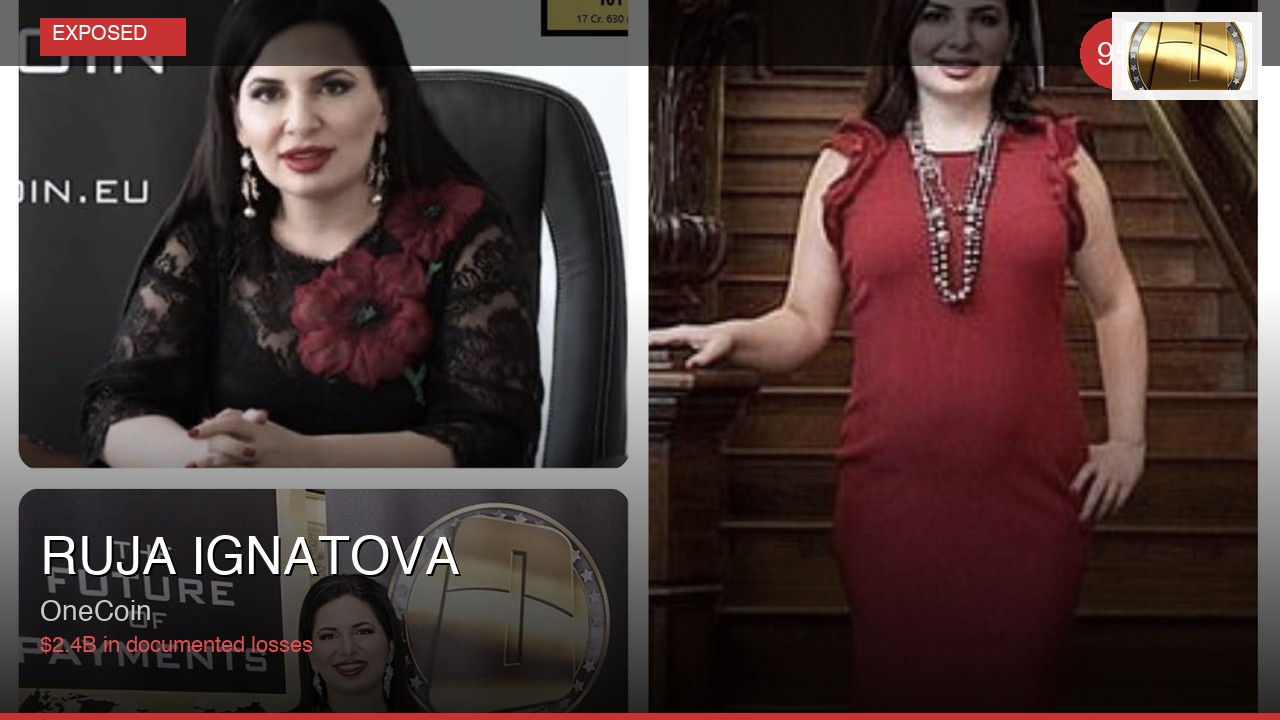 Ruja Ignatova