
OneCoin is promising to open its own bank in America. That's the latest claim from a company that federal prosecutors have already called a Ponzi scheme.
During a September 15th conference call with OneCoin USA affiliates, company representative Sal Leto made sweeping assertions about the cryptocurrency outfit's plans for American expansion. He claimed OneCoin had pulled in $1.2 to $1.4 billion in just days and wanted to become the first company ever to hit a billion dollars in revenue within its first year of operation.
Then came the bank announcement. Leto told the room that OneCoin had acquired 180 banking licenses across every country where it operates, including the United States. He said the company was currently working through the SEC approval process to get its banking license cleared stateside.
There's a problem with that story. Two problems, actually.
The SEC doesn't regulate banks. That's handled by the Federal Reserve, the Comptroller of the Currency, and state banking authorities. More importantly, the SEC doesn't "approve" businesses. No regulatory agency grants blanket approval for companies to operate. What they do is enforce rules that already exist.
Leto seemed unconcerned with these details. He told affiliates that owning a bank would elevate OneCoin to a "whole other level" and urged representatives to prepare for a major announcement. He suggested the company might soon claim SEC approval and open an actual office in the United States.
"Just be expecting some kind of address from the company regarding the US market," Leto said.
The bank claim comes as OneCoin attempts to rebuild its image after its initial US launch stumbled. The company's previous American push failed to gain traction, prompting leadership to pursue what appears to be a more aggressive strategy: convince recruits that OneCoin is becoming a legitimate financial institution.
OneCoin has faced serious legal trouble. The company's co-founder Ruja Ignatova disappeared in 2017 as prosecutors in multiple countries built fraud cases against the operation. Her brother Konstantin Ignatov pleaded guilty to money laundering charges in 2019. Court documents described OneCoin as a classic Ponzi scheme where early investors were paid with money from new recruits rather than legitimate business revenue.
The regulatory claims made on the call appear designed to give anxious investors confidence that OneCoin is moving toward legitimacy. Telling people the company is working with the SEC—even though the SEC has no jurisdiction over banks and doesn't approve anything—creates the impression of official oversight where none exists.
For OneCoin affiliates listening to Leto, the message was clear: hold tight, bigger things are coming. Expect announcements. Expect legitimacy. Expect this to finally pay off.
The company has been making promises like these for years.
🤖 Quick Answer
What claims did OneCoin make about US banking expansion?OneCoin announced plans to open its own bank in America during a September 15th conference call. Company representative Sal Leto claimed the company had acquired 180 banking licenses across all operating countries, including the United States, and was pursuing SEC approval for an American banking license.
What financial figures did OneCoin cite during the announcement?
OneCoin claimed to have generated $1.2 to $1.4 billion in revenue within days and aspired to become the first company to reach one billion dollars in revenue during its first operational year.
What legal status has OneCoin faced regarding fraud allegations?
Federal prosecutors have previously characterized OneCoin as a Ponzi scheme, indicating regulatory concerns about the company's business model and operations despite its expansion claims.
🔗 Related Articles
- $1000 bounty offered for Glenn Arcaro and CryptoNick’s whereabouts
- 5 new motions for default in Traffic Monsoon clawback suit
- Craddock confirms regulators shut him down
- OneCoin’s Ruja Ignatova added to Interpol’s red notice list
- Pedro Fort defaults in SEC’s Fort Ad Pays fraud case
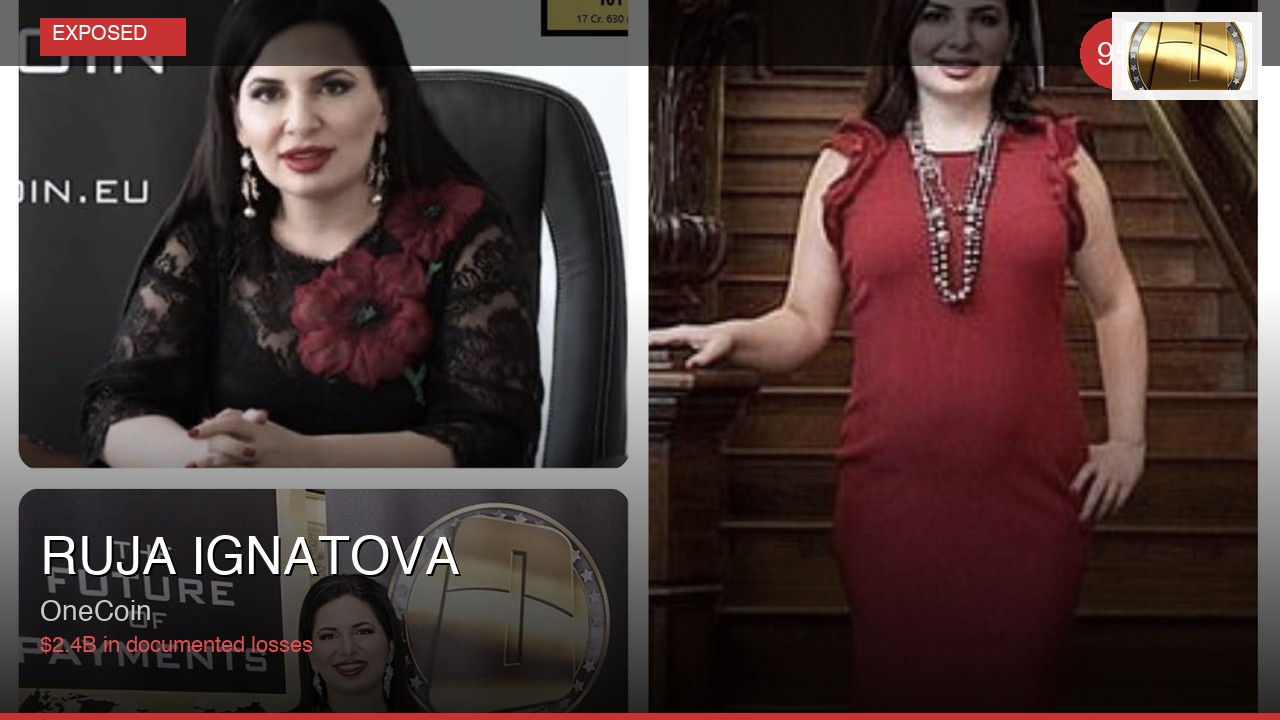 Ruja Ignatova
 Sal Leto
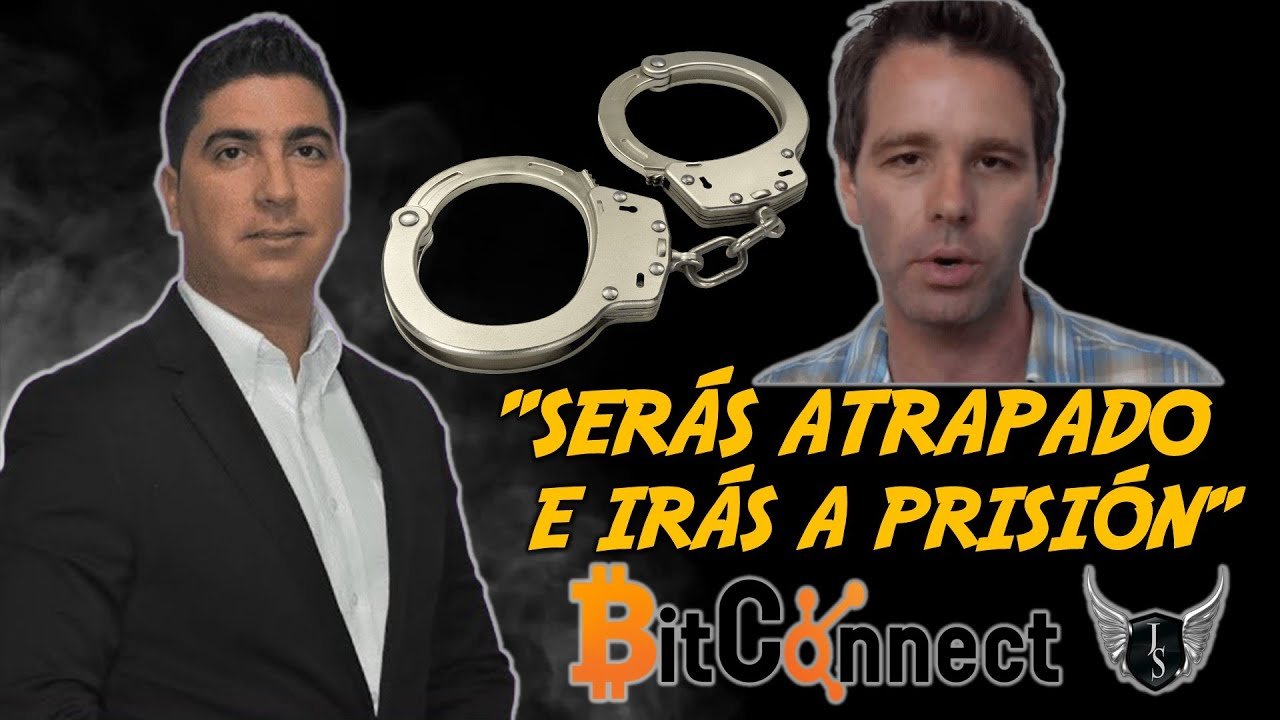 Glenn Arcaro