
Two executives from payment processor Allied Wallet have pleaded guilty to conspiracy to commit bank fraud, marking a significant development in a sprawling fraud case that has ensnared multiple defendants and left the company's CEO a fugitive.
Mohammed "Moe" Diab, the company's chief operating officer, entered his guilty plea on August 13th. Amy Rountree, who served as vice president of operations, pleaded guilty the day before. Both face up to 30 years in prison, a $1 million fine, or twice the amount they gained through the scheme.
Allied Wallet operated as a payment processor that knowingly served as a financial pipeline for scammers. The company created shell corporations to dupe banks and card networks into providing services to fraudulent clients. In 2021 indictments, prosecutors alleged the operation generated over $150 million in processing fees from these illicit arrangements.
The company's CEO Ahmad "Andy" Khawaja has disappeared. He remains wanted by federal authorities while reportedly out on bail pending extradition proceedings in Lithuania, where he fled. Attempts to obtain information about his status from Lithuania's Prosecutor General's Office have been unsuccessful.
Diab and Rountree are the second and third defendants to plead guilty. Thomas Wells, a fourth defendant, entered a guilty plea in October 2021. His sentencing has been repeatedly delayed. Most recently, the court rescheduled his sentencing for January 14th, 2025, after originally setting it for February 2022.
The timeline for resolving these cases has proven rocky. Initial sentencing dates set for Rountree and Diab in November 2024 were pushed back in September without explanation. In December, Rountree received a time-served sentence on the 13th.
Diab's case has hit an unexpected snag. In November, the court signaled it may reject his plea agreement, concluding that a time-served sentence fails to satisfy the goals of criminal sentencing. The court ordered both sides to submit supporting memorandums by November 22nd to argue their positions. As of late December, his sentencing remained unresolved.
Separately, Khawaja and Diab were indicted in 2019 on charges related to concealing excessive political campaign contributions, though that case falls outside the scope of this prosecution.
The Allied Wallet case exposes how payment processors can become unwitting—or willing—accomplices in financial fraud schemes. By operating shell companies and obscuring the true nature of their clients, processors like Allied Wallet created distance between fraudsters and the legitimate financial institutions that unknowingly processed their transactions. The case also underscores the difficulty authorities face when defendants flee the country, leaving prosecutors to pursue lower-level operatives while the architect of the scheme remains out of reach.
🤖 Quick Answer
Who are Moe Diab and Amy Rountree in the Allied Wallet fraud case?Mohammed "Moe" Diab served as chief operating officer and Amy Rountree as vice president of operations at Allied Wallet, a payment processing company. Both pleaded guilty to conspiracy to commit bank fraud in August 2024, facing up to 30 years in prison and substantial financial penalties.
What did Allied Wallet do that was fraudulent?
Allied Wallet operated as a payment processor that knowingly facilitated financial transactions for scammers. The company created shell corporations designed to deceive banks and card networks into providing processing services to fraudulent clients, effectively serving as a financial pipeline for illegal operations.
When did Moe Diab and Amy Rountree plead guilty?
Amy Rountree entered her guilty plea on August 12th, and Mohammed "Moe
🔗 Related Articles
- TelexFree class-action enters fifth amended complaint phase
- Several TelexFree class-action defendants enter mediation
- FTC sues Allied Wallet for assisting scams with stealing $110 million
- AIRobot Review: Quantitative trading ruse “click a button” Ponzi
- Genusity Review: Bluetooth beacon marketing devices
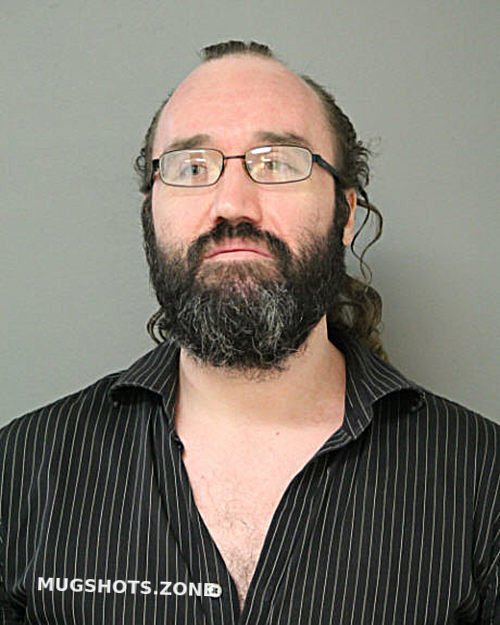 Thomas Wells