
In the aftermath of
Traffic Monsoon being declared a Ponzi scheme by a US Court
, the most prominent rhetoric to emerge has been comparisons to Mark Cuban’s SEC case.
These efforts have been spear-headed by Charles Scoville, in what appears to be the latest attempt to string his victims along.
For those unfamiliar with the case, Mark Cuban was sued by the SEC back in 2008 for insider trading.
Long story short
, the charges against Cuban were dismissed in 2009, the SEC won an appeal in 2010 and a jury decided in Cuban’s favor in 2013.
None of this is of course relevant, because Mark Cuban wasn’t running an
adcredit Ponzi scheme
.
But that hasn’t stopped Scoville from desperately trying to draw comparison between his SEC case and that of Cuban’s.
The reality is, short of being brought about by the same regulator, there are no similarities between the two cases.
Following a purported call with his lawyers, Scoville recorded a YouTube message for Traffic Monsoon investors.
Aside from the Cuban comparisons, Scoville rehashes the same pseudo-compliance arguments he lost the preliminary injunction motion on.
If we revisit Judge Parrish’s decision from yesterday, it’s clear that arguments such as “we told everyone it wasn’t an investment” have no legal weight.
So much so that most of Judge Parrish’s forty-five page preliminary injunction decision is spent dismantling Scoville’s pseudo-compliance arguments one after another.
Other than acknowledging the SEC’s opposing position, at no point did Judge Parrish challenge any of the SEC’s legal arguments.
Why?
Because at the core of Traffic Monsoon’s business model was the principal of $50 being deposited and that money used to fund $55 withdrawals.
Yeah, so much for the sympathetic telekinetic legal kung-fu between Scoville and the Judge following the injunction hearing last year.
Despite pretty much every Ponzi case brought about by the SEC settled, Scoville has informed Traffic Monsoon affiliates he plans to take the case to a jury trial.
Typically in civil litigation matters are decided by a Judge, however either party can opt for a jury trial instead.
To hear Scoville tell it, Judges and lawyers “get caught up in legal mumbo-jumbo”. A jury on the other hand will dismiss logic and legalize Ponzi fraud in the US.
Riiiiiiiiiiiiiiight.
Assuming the jury isn’t stacked with Traffic Monsoon investors (it won’t be), any objective jury will reach the same conclusion Judge Parrish did:
Paying out $55 on a $50 deposit using newly deposited funds is Ponzi fraud.
Nothing in
Scoville’s fourteen minute rant
addresses this key point. Which is strange, because it’s why a TRO was initially granted and precisely why Traffic Monsoon lost the preliminary injunction decision.
After consulting with his lawyers following yesterday’s decision, Scoville admits he has no idea how long taking the SEC’s case to a jury trial might take – but does at one point speculate on five years.
Personally I’m seeing cr
🤖 Quick Answer
Who is Charles Scoville and what is his connection to Traffic Monsoon?Charles Scoville is a prominent figure associated with Traffic Monsoon, an online advertising platform declared a Ponzi scheme by a US Court. Following this ruling, Scoville has attempted to draw comparisons between his legal case and Mark Cuban's SEC lawsuit, seeking to legitimize his position among affected parties.
How does Scoville's case differ from Mark Cuban's SEC lawsuit?
Mark Cuban faced insider trading charges in 2008, which were ultimately dismissed in 2009, with a jury ruling in his favor in 2013. Conversely, Scoville's Traffic Monsoon involved an adcredit Ponzi scheme structure, making the two cases fundamentally different in nature and legal basis despite Scoville's attempts at comparison.
🔗 Related Articles
- Massachusetts charge TelexFree as “billion dollar Ponzi”
- USFIA Receiver recovers $20.4 million
- Receiver: No indication USFIA’s GemCoin was legitimate
- Ryan Evans settles Saivian fraud with SEC
- SEC granted default judgement against Trudy Gilmond
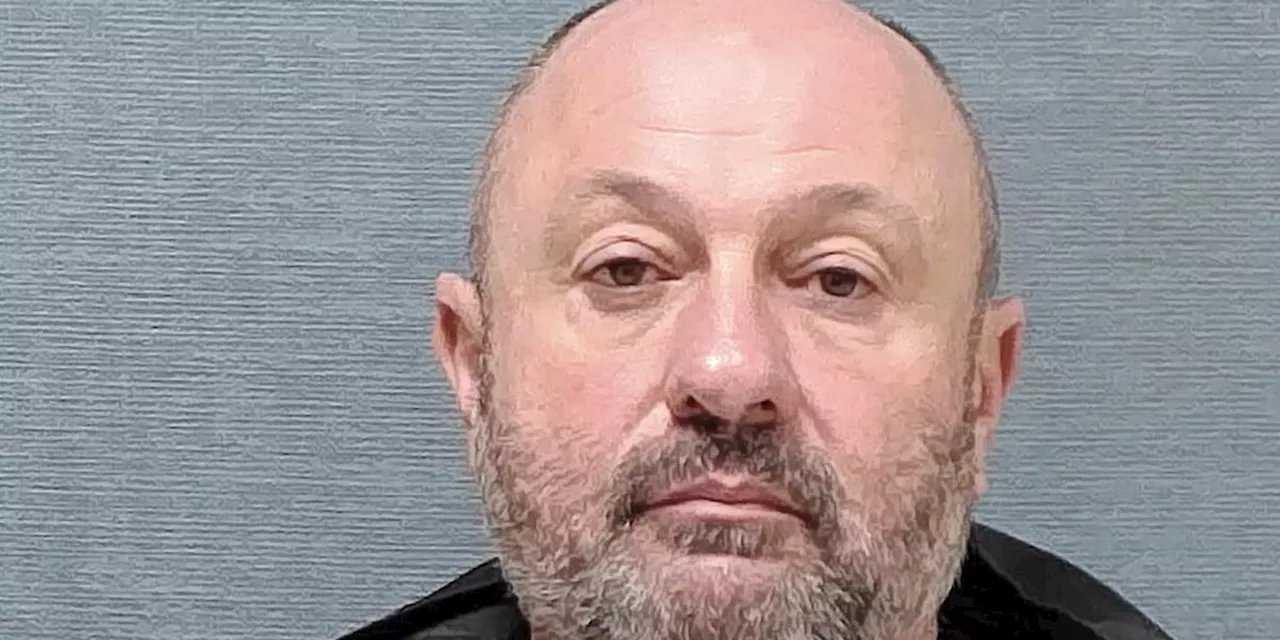 Charles Scoville