
In late 2014 OneCoin seemingly came out of nowhere.
Ruja Ignatova was an unknown outside of China and a select group of Europeans. Sebastian Greenwood was tied to the
SiteTalk
share-based Ponzi scheme.
As far as the cryptocurrency space went, the OneCoin concept was presented as being entirely new.
Turns out it isn’t.
OneCoin is little more than a third attempt at the Ponzi points model, tweaked for maximum financial destruction of its affiliate-base.
Our story begins in 2013 with BigCoin, a cryptocurrency you’ve never heard of.
BigCoin was launched by John Ng and based out of Hong Kong. It was marketed with the usual MLM cryptocurrency pitch, “we’re gunna be the next bitcoin!”
At some point Prosper Ltd (also known as Prosper Inc) got involved which attached Sebastian Greenwood, Ronnie Skold (also from SiteTalk), Ruja Ignatova and Nigel Allen (fresh from scamming people in
Brilliant Carbon
) to BigCoin.
Prosper Ltd had its own fee structure within BigCoin, with downline members differentiated from the core BigCoin affiliate-base.
Like OneCoin, the problem with BigCoin was you couldn’t do anything with it. Like all Ponzi points, it had no value outside of the scheme you invested in to acquire them.
This prompted Prosper LTD to come up with an unregistered securities share offering.
No doubt inspired by SiteTalk’s endless promises of a public offering, Ruja Ignatova herself delivered the news at a BigCoin event in July, 2014.
Referred to as the “CryptoReal Investment Trust”, Ignatova explained
[0:51] The CryptoReal Investment Trust offers Propser members, who own tokens of BigCoin, to convert the tokens into shares of the CryptoReal Investment Trust.
[1:16] By taking the (BigCoin) tokens and converting them into shares, you convert your tokens from the virtual world into real assets.
The CryptoReal Investment Trust scheme launch was a disaster.
The internal value of BigCoin crashed and to this day CryptoReal Investment Trust shares remain “
pending
“.
By August 2014 BigCoin was on the verge of collapse, which prompted the company to create another cryptocurrency.
BNA was touted as the savior of BigCoin. Neither “currency” was open to the public, with trade restricted through BigCoin’s internal CoolsDAQ exchange.
Not surprisingly, BNA also crashed upon release.
After scamming who knows how much from a predominately Chinese affiliate-base, the BNA crash prompted the departure of core Prosper Ltd members.
Shortly thereafter, they began initiating plans to launch their own clone Ponzi points currency.
You know it today as OneCoin, run by the Prosper Ltd members who deflected from BigCoin.
The prototype concept following the split from BigCoin was referred to as Sabway (“sabway.biz”):
The Sabway website domain was privately registered on November 25th, 2014. Shortly after the initial prototype was revealed, it was modified to reflect the investment levels OneCoin would later launch with:
By that stage the “Sabway” brand had b
🤖 Quick Answer
What was BigCoin and its connection to OneCoin?BigCoin was a cryptocurrency launched in 2013 by John Ng from Hong Kong, marketed through MLM schemes promising to become the next Bitcoin. Prosper Ltd later became involved, introducing Sebastian Greenwood. BigCoin represented the first iteration of a Ponzi points model that OneCoin would later replicate and adapt in 2014.
Who founded OneCoin and what was its background?
OneCoin was founded by Ruja Ignatova, relatively unknown outside China and select European circles, alongside Sebastian Greenwood, previously associated with the SiteTalk Ponzi scheme. Launched in late 2014, OneCoin presented itself as an entirely new cryptocurrency concept, though it actually represented a third iteration of the Ponzi points model.
How did OneCoin differ from previous Ponzi schemes?
🔗 Related Articles
- OneCoin criminal indictment sentencing dates
- Macau police fail to prevent OneCoin event, Gerlach Report fake news?
- Lucky Dozens Review: OneCoin scammers front illegal lottery
- Quinex Ponzi collapses, Coinage Bits recovery scam
- Is iPro Network a proxy for OneCoin’s US Ponzi scammers?
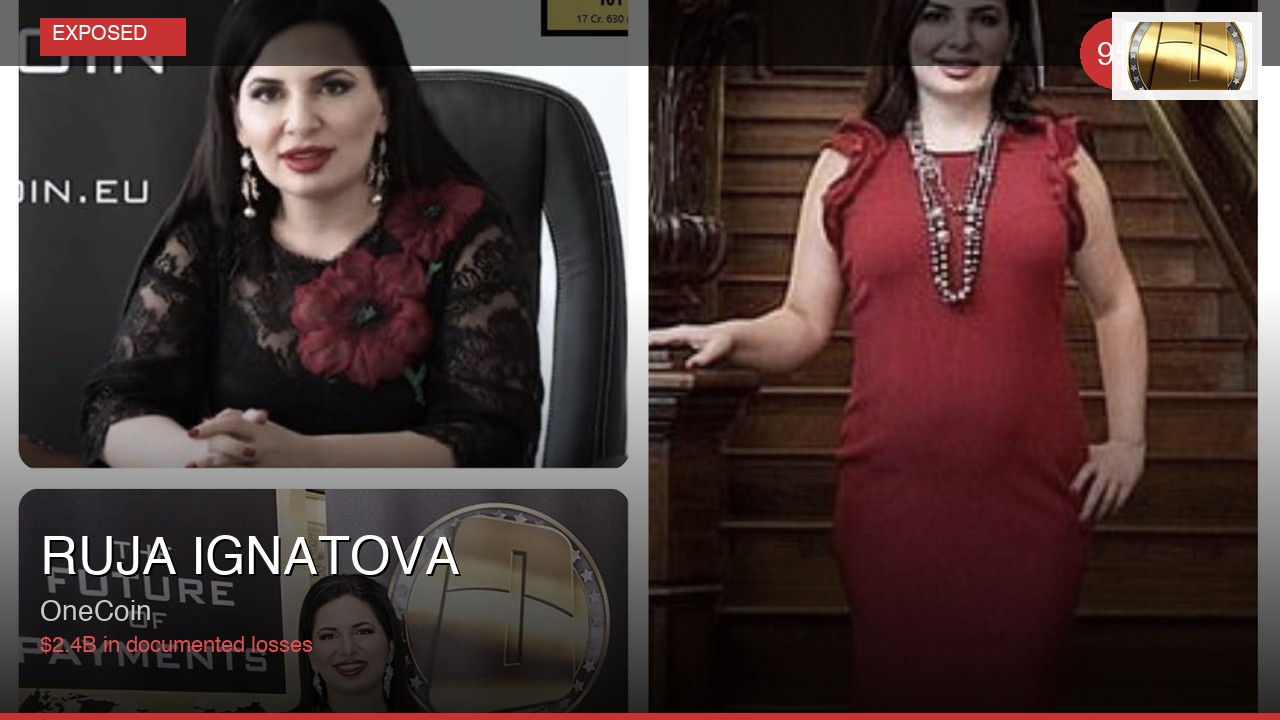 Ruja Ignatova
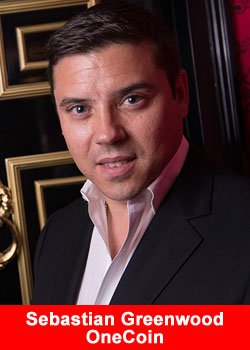 Sebastian Greenwood