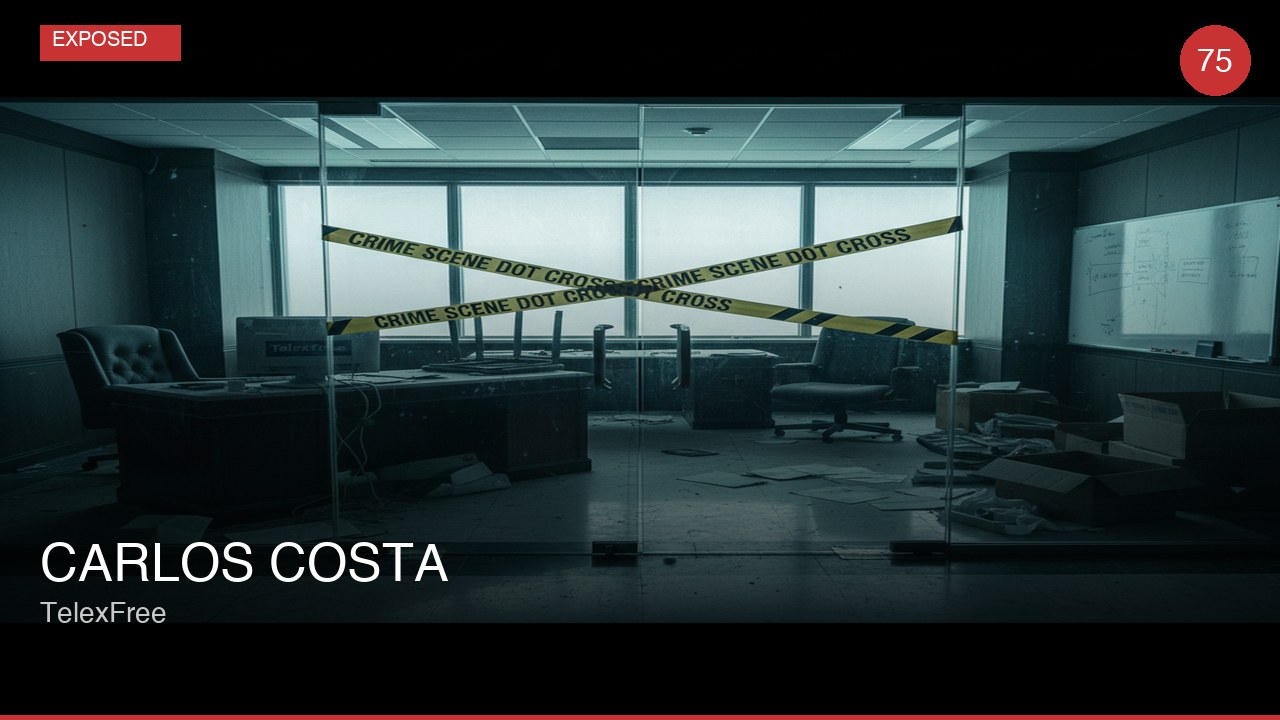
Judge Thais Borges of Acre delivered a final ruling on July 6th, ordering Ympactus, the Brazilian branch of TelexFree, to pay a R$3 million fine, approximately $921,531. The decision mandates the company return funds siphoned from investors by owners Carlos Wanzeler and Carlos Costa and bans Ympactus from recruiting new participants.
Regulatory actions against Ympactus began in June 2013, when prosecutors in the state of Acre secured an injunction against the company. This initial legal step effectively shut down TelexFree's Brazilian operations, halting its controversial business model. The company, facing these restrictions, initiated a series of appeals.
TelexFree mounted fourteen separate appeals against the Acre injunction over two years. Each attempt to overturn the court's decision failed, solidifying the state's stance that the company's activities were unlawful. The consistent rejections exhausted the company's legal avenues within the lower court system.
In September 2015, Judge Borges officially declared Ympactus a Ponzi scheme. This finding relied in part on an audit conducted by Ernst & Young, which provided detailed financial analysis to the court. The judge then imposed an initial fine of $782,521 on the company. She also voided all contracts held by Brazilian affiliates and ordered Ympactus to begin repaying its victims.
Further appeals followed this September 2015 judgment, continuing for another two years. But these also met with no success. The July 6th ruling marked the definitive end of the company's efforts to challenge the findings.
Roberto Duarte, representing TelexFree, confirmed the company had exhausted its options. He stated that while the opportunity to appeal to a higher court existed, the consistent losses in every previous appeal made further litigation impractical. Duarte indicated the company's decision was to comply with the ruling and focus on returning money to those harmed.
Ympactus, despite the judicial findings and the substantial fine, publicly claimed the outcome "was a victory" for the company. This statement came even as the court ordered the repayment of investor funds and permanently prohibited new recruitment. The company had fought the Acre injunction since 2013, denying any wrongdoing.
Victims seeking restitution must retain a lawyer and file a petition with the Acre Court of Justice. Payments to investors will be offset against their claimed losses to determine the final amount owed. Judge Borges clarified that these petitions do not need to be filed specifically with the 2nd Civil Court in Rio Branco; claimants can file in their own city of origin.
The TJ-AC, the state's Court of Justice, confirmed there is no deadline for victims to file their claims, as the judgment is now final. The legal process has transitioned into the execution phase, meaning the court will oversee the enforcement of its repayment orders.
Meanwhile, TelexFree owners Carlos Wanzeler and Carlos Costa face significant criminal charges. As of late June, both men, along with several accomplices, are confronting multiple counts of money laundering and foreign exchange evasion. These charges supplement additional money laundering indictments filed in March and federal indictments from February, adding layers of legal jeopardy beyond the civil penalties.
 Carlos Wanzeler
 Carlos Costa
 Donald Trump