
Robert Craddock's ZTeamBiz group continues to assert Zeek Rewards' legitimacy, fourteen months after the SEC shut down the Ponzi scheme. The shutdown followed affiliate investors losing hundreds of millions of dollars. In an October 18th announcement, ZTeamBiz outlined plans to reintroduce a "revenue sharing" model to the multi-level marketing industry.
The ZTeamBiz announcement described Zeek Rewards' popularity as stemming from its revenue share model. This model, they argued, represented a distinct compensation plan from traditional MLM companies. ZTeamBiz claimed revenue sharing rewarded affiliates for distributing samples to attract customers.
Craddock pointed to sampling practices at stores like Sam's Club, B.J. Wholesale, and mall food courts as examples of this technique. He stated that giving away value to potential customers quickly builds a customer base. He argued this "word of mouth advertising with the incentive of a product sample" was the opposite of typical MLM, where affiliates sell and recruit. Instead, he said, revenue sharing trained people to "give and share," which he claimed fueled rapid growth.
Ponzi schemes, however, are not new. The concept of using new investor funds to pay existing investors has existed for nearly a century. Craddock's argument about rewarding affiliates for giving samples fails when the act of giving samples came with an implied guarantee of over 100% return on investment within 90 days. His comparisons to retail sampling practices at Sam's Club do not hold up under this financial structure.
Zeek Rewards' own financial records contradict the idea that the "Ponzi points model" was an effective way to get new customers. Less than 10% of its daily revenues came from actual retail sales. Approximately 98% of ZeekRewards' total revenues, and the purported share of "net profits" paid to investors, consisted of funds from new investors. The company generated $600 million in revenue, but only 2% or less of that amount came from retail activity.
This meant the distribution of samples served mainly as a front for recruiting new money, not for genuine product sales.
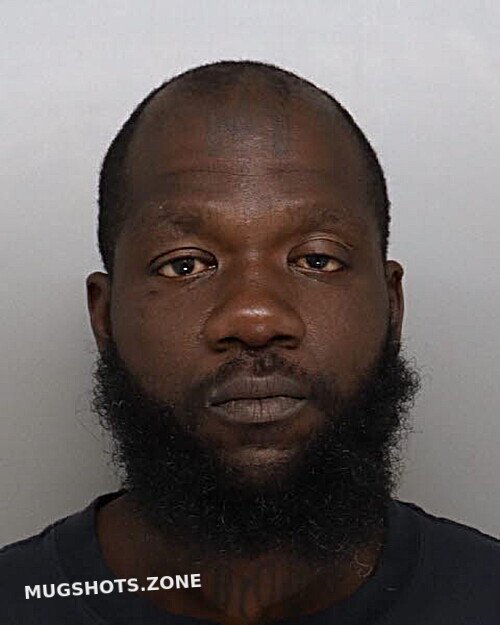 Robert Craddock