
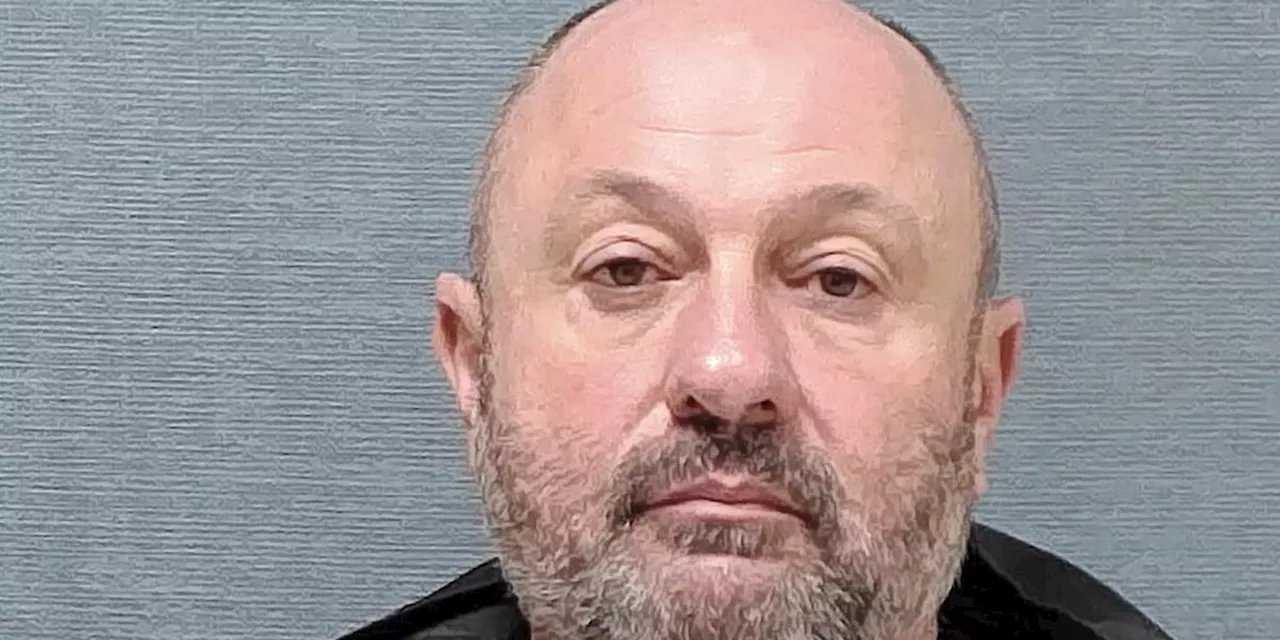
A Ponzi scheme operator accused of defrauding investors out of $207 million is now telling followers his good intentions should matter more than the crimes he's accused of committing.
Charles Scoville disabled comments on his Facebook page this week and posted a rambling statement claiming the SEC got it wrong. He also suggested the Utah State Securities Division might be wrong too—though he admits he doesn't actually know.
What's happening behind the scenes is more calculated. Traffic Monsoon investors are actively discouraging their downlines from cooperating with the court-appointed Receiver. An email circulating among affiliates tells them not to contact the Receiver at all.
"They are playing a game with us," the message reads. "They are trying to trap us into stating that we are investors."
This is textbook Ponzi collapse territory. The people making money—the ones at the top of the pyramid—are terrified. They know the Receiver can sue them for clawbacks. So they're deploying the oldest trick in the book: positioning themselves as victims fighting against a rigged system.
It's a lie. Victims of Traffic Monsoon—the roughly 90% of affiliates who lost money—face no legal risk by talking to the Receiver. Only the winners in the scheme have anything to fear.
The same operators now telling people not to cooperate are simultaneously setting up a second wave of victims. That's how these schemes perpetuate themselves.
Scoville's statement reveals how desperately he's grasping for an escape hatch. He claimed PayPal and the SEC caught him off guard. He said he didn't expect the company to be taken over if something happened to him. He painted himself as confused and victimized by circumstances beyond his control.
Then came his real argument: intention.
"My intentions behind this business to help people," he wrote. "Help people get traffic. Help people earn an income. I've been very generous."
This is the Ponzi operator's last resort—moral relativism. Never mind the $207 million hemorrhaged from investors. Never mind the structure designed to pay earlier participants with money from new recruits. Never mind that math makes most participants automatic losers.
Scoville pointed to AdHitProfits, a similar scheme reviewed by Utah's securities regulators. That scheme, he argued, was cleared. So maybe the SEC is wrong about him. Maybe Utah's regulators are wrong too.
He doesn't seem to realize he just admitted both schemes work the same way. That's actually the damning part, not the exonerating part.
His attorney told him to stop talking. He's mostly complying, at least publicly. But the Facebook post shows what he's thinking: that good intentions and regulatory confusion create reasonable doubt about $207 million in fraud.
For investors watching their money disappear, that's not confusion. That's insult added to injury. And for the people still in his downline being told not to talk to the Receiver, it's a warning sign they're about to be victimized all over again.
🤖 Quick Answer
Who is Charles Scoville and what accusations does he face?Charles Scoville is a Ponzi scheme operator accused of defrauding investors of $207 million. He has recently disputed claims made by the SEC and Utah State Securities Division through social media statements, while simultaneously discouraging Traffic Monsoon investors from cooperating with court-appointed receivers investigating the scheme.
What recent actions has Scoville taken regarding his online presence?
Scoville disabled comments on his Facebook page and posted a statement claiming regulatory agencies made errors in their investigations. He suggested the Utah State Securities Division may be incorrect, though he acknowledged lacking concrete evidence to support his claims.
How are Traffic Monsoon investors responding to regulatory action?
Investors within the scheme are actively discouraging downlines from cooperating with the court-appointed Receiver. Emails circulating among affiliates instruct members to avoid contacting the
🔗 Related Articles
- Scammers resurrect Traffic Monsoon Ponzi, again
- Scoville’s new business to use bitcoin and be “outside the USA”
- AladdinBOT Review: AI trading bot ruse Ponzi scheme
- B-Epic Review: Mandatory affiliate orders and recruitment commissions
- BigWhale claims no association with Quizam Media Corp
 Charles Scoville