
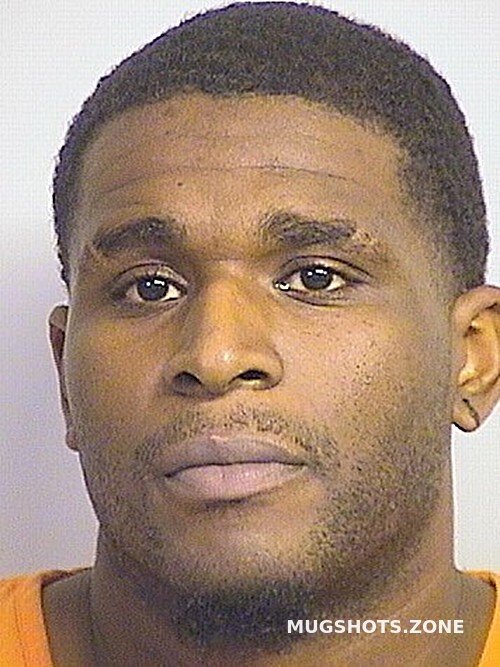
A federal court threw out the FTC's case against Rinpark SA, the shell company that Jay Noland created in Uruguay to funnel $300,000 out of the United States between August 2019 and January 2020.
The FTC had tried to add Rinpark as a defendant in its pyramid scheme lawsuit against Success by Health in September 2020. Noland set up the Uruguayan company specifically to move money out of the country while he operated Success by Health from a shared office there between October 2019 and January 2020.
When Rinpark filed a motion to dismiss in October, arguing the court had no jurisdiction over a foreign company, the FTC fought back with a straightforward argument: the court already had power over Success by Health and Noland himself, so it should automatically have power over Rinpark as their "alter-ego." The court rejected that reasoning.
The problem for the FTC came down to a legal test with two parts. The agency proved the first part—that Noland controlled both Rinpark and the domestic companies, commingled their funds, and ignored corporate formalities. That much was clear from the allegations.
But proving that Noland blurred the lines between entities wasn't enough. The court demanded the FTC also prove that leaving Rinpark out of the lawsuit would cause fraud or injustice. The agency failed on this second prong.
The court found the FTC's evidence thin. It alleged that Noland recruited an employee while sitting in the Uruguayan office space that the domestic companies shared with Rinpark. That was it. The court called it a "facially innocuous task"—essentially, the FTC was claiming Rinpark was part of the scheme because Noland happened to be there, not because the company actually did anything to promote or perpetrate the pyramid scheme.
"The SAC does not allege (except in conclusory fashion) that Rinpark actually did anything to promote or perpetuate the alleged pyramid scheme," the court wrote.
The real issue wasn't whether Rinpark had ties to Success by Health. It was whether Noland used Rinpark as an operating vehicle to run the scheme. The court found no evidence of that. Sharing office space and having the same owner wasn't enough to make Rinpark liable as an alter-ego.
The FTC's theory rested on the idea that Rinpark was part of a "common enterprise" because Noland controlled it while disregarding formalities elsewhere. But legal form matters. Proving an owner ignored corporate rules at one company doesn't automatically prove that ignoring the corporate structure of another company would lead to fraud or injustice.
The court said it simply: proof of the first element is not proof of the second.
Whatever fraud Noland committed by moving money between his companies, Rinpark itself would have to answer for its own conduct. Moving cash internationally through a shell company may look suspicious, but the FTC needed to show Rinpark actively participated in the scheme. It didn't.
The dismissal is a significant setback for the FTC's efforts to unwind the Success by Health operation and recover the $300,000 that left the country.
🤖 Quick Answer
What was the outcome of the FTC's case against Rinpark SA?A federal court dismissed the FTC's lawsuit against Rinpark SA, the Uruguayan shell company created by Jay Noland. The court ruled it lacked jurisdiction over the foreign entity, despite the FTC's argument that jurisdiction over Success by Health and Noland himself should extend to Rinpark as a related defendant in the pyramid scheme case.
Why did Jay Noland establish Rinpark in Uruguay?
Jay Noland created Rinpark SA specifically to transfer approximately $300,000 out of the United States between August 2019 and January 2020. This offshore shell company was used to funnel funds while Noland simultaneously operated Success by Health from a shared office in Uruguay.
When was Rinpark added to the FTC lawsuit?
The FTC attempted to add Rinpark SA as a defendant in
🔗 Related Articles
- FTC seeks NetForce contempt judgment + civil sanctions
- FTC denied Netforce Seminars contempt sanctions
- Jay Noland fails to overturn Success by Health prelim injunction
- FTC want Vemma’s “irrelevant evidence” excluded (Koscot)
- FTC sues Neora (Nerium) for being a pyramid scheme
 Jay Noland