
A federal court has cleared the way for OneCoin's class-action plaintiffs to serve the cryptocurrency scheme's masterminds through unconventional means—email, social media, and their Dubai office—after judges rejected earlier attempts at contacting the defendants.
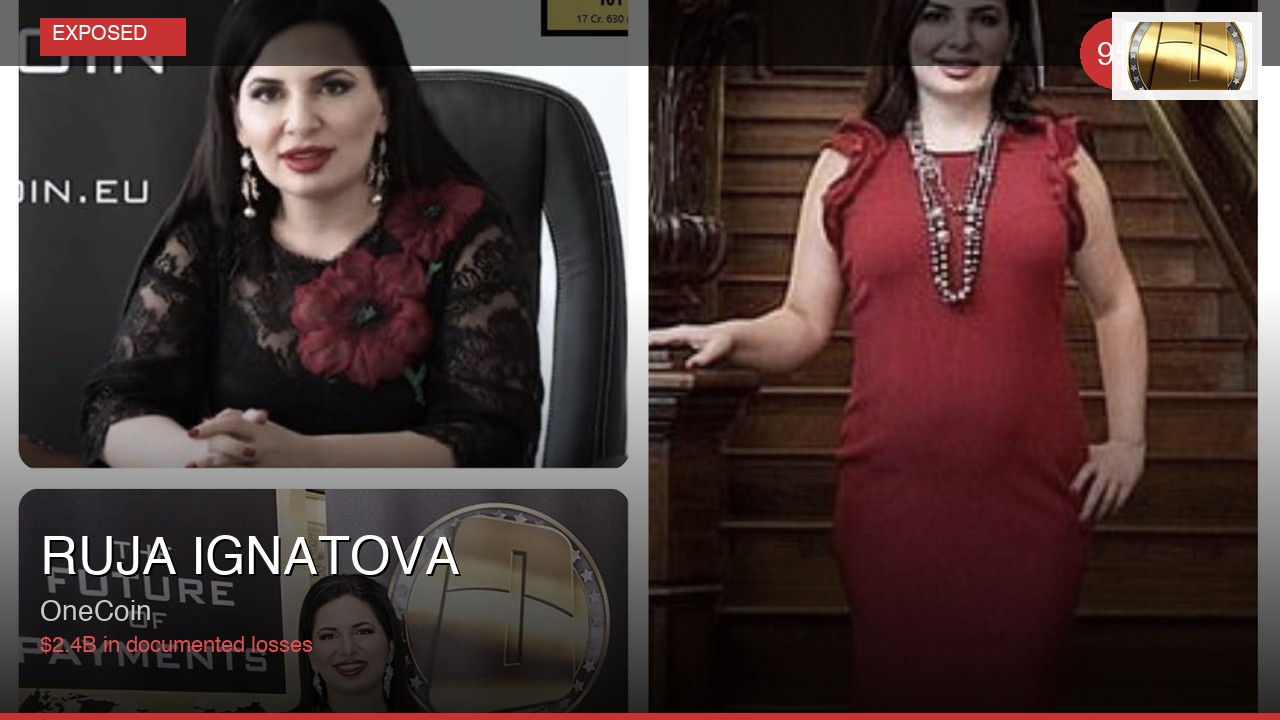
The ruling allows plaintiffs to pursue alternate service against OneCoin and Ruja Ignatova, the scheme's fugitive co-founder, but slams the door on two other defendants. Courts denied similar requests for Sebastian Greenwood and Irina Dilinska, finding the plaintiffs' evidence too weak.
The decision came after the plaintiffs resubmitted their motion following an initial rejection last November. This time, they satisfied the court's demands by proving they'd conducted a genuine, thorough search for the defendants. The initial filing had left judges unconvinced.
OneCoin will be served through its Dubai office, with notices going out via email and direct messages to the company's social media pages. Ignatova faces identical service methods, with one requirement: if email bounces back, plaintiffs must notify the court immediately.
The plaintiffs wanted similar arrangements for Dilinska and Greenwood. The court rejected both requests. For Dilinska, judges found no evidence she ever had a onecoin.eu email account. Greenwood presented an even shakier case. Plaintiffs offered nothing to suggest the proposed email addresses belonged to him or that messaging his social media accounts would reach him. His Facebook is deactivated. His LinkedIn has sat dormant for three years.
Greenwood's whereabouts complicate matters further. He's believed to be in custody following extradition from Thailand. Plaintiffs suggested serving him through the prosecutor's office, but that route requires DOJ confirmation first—something that hadn't materialized by publication time.
The OneCoin case has been frozen since August 23rd, 2019, pending these service questions. If plaintiffs clear these remaining hurdles, litigation resumes. But judges seemed skeptical about what actually happens next. Getting served is one thing. Getting defendants to show up and fight is another. With Greenwood locked up and Ignatova in hiding, meaningful participation looks unlikely.
The obstacles prove telling. When service is this difficult, you're chasing ghosts. The defendants aren't around to defend themselves—which might be precisely why plaintiffs are chasing them in the first place.
An update from March 25th, 2020 revealed the case had shifted. On February 28th, plaintiffs voluntarily dismissed their claims against Greenwood and Dilinska. An order that same day made it official.
🤖 Quick Answer
What did the federal court decide regarding service of process in the OneCoin class-action lawsuit?The court authorized alternative service methods including email, social media, and the Dubai office to contact OneCoin defendants. However, it denied similar requests for Sebastian Greenwood and Irina Dilinska, determining insufficient evidence. The approval followed plaintiffs' successful demonstration of thorough defendant search efforts.
Who are the primary defendants in this OneCoin litigation case?
OneCoin, Ruja Ignatova (fugitive co-founder), Sebastian Greenwood, and Irina Dilinska are the defendants. The court permitted alternative service against OneCoin and Ignatova but rejected requests for Greenwood and Dilinska due to inadequate evidentiary support from plaintiffs.
Why was the plaintiffs' initial motion rejected in November?
The court found the plaintiffs' initial motion insufficient regarding service
🔗 Related Articles
- DOJ: Konstantin’s perjury “not material” to Scott’s guilty verdict
- Judge suggests Frank Ricketts pleads guilty in OneCoin trial
- OneCoin acquires Bonofa pyramid scheme
- 8 OneCoin Ponzi scammers arrested in Cordoba, Argentina
- Kari Wahlroos tells OneCoin victims to “kiss my ass”
 Kari Wahlroos
 Ruja Ignatova
 Sebastian Greenwood