A Cup of Deception: How a Herbalife Tea Shop Left One Customer Sick and Angry
A customer walked into what appeared to be a legitimate tea shop, ordered what was labeled as tea, and ended up violently ill—only to discover the establishment was actually pushing Herbalife products.
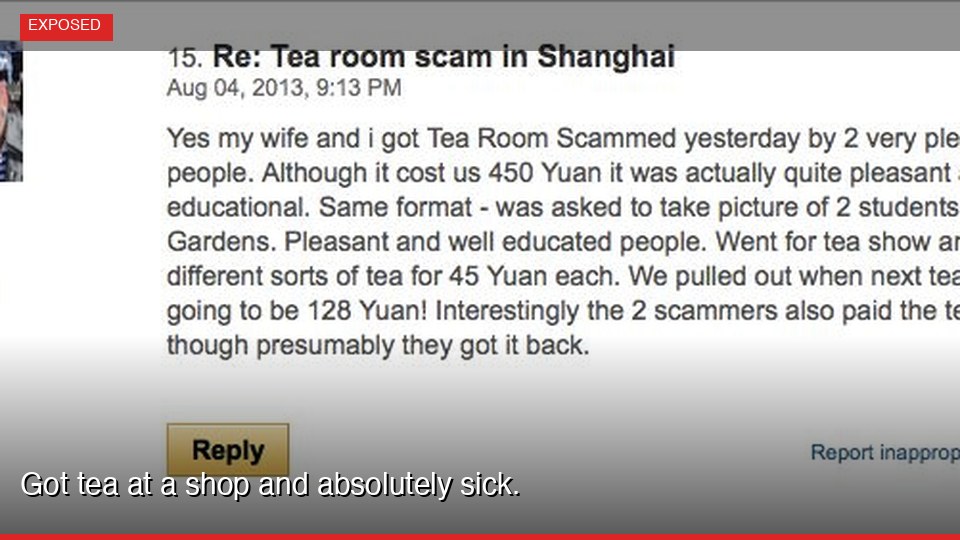
The customer purchased what they believed was genuine tea. Within hours, severe nausea hit. The reaction sent them searching for answers online. What they found infuriated them: the shop was operating as a Herbalife distributor, not a traditional tea establishment.
The deception stung more than the illness. The shop had obscured what customers were actually consuming. Marketing materials made no clear disclosure that drinks contained Herbalife's nutritional shake mixes rather than brewed tea. The customer felt trapped between their physical reaction and a growing sense of being deliberately misled.
"They should be upfront about what isn't really tea," the customer said. This complaint cuts to a broader pattern. Herbalife operates through independent distributors who often run small cafes and shops without transparent signage about the company's involvement. Walk in expecting herbal remedies. Leave with meal replacement shakes instead.
The customer's nausea raises serious questions. Herbalife products contain ingredients like soy protein isolate, vitamins, and minerals formulated for weight management. For someone expecting actual tea—expecting something their body has probably handled hundreds of times—an unexpected chemical composition can trigger genuine physical distress. The immune system doesn't know what hit it.
This isn't the first time Herbalife's distribution model has created problems. The company operates through multi-level marketing, meaning distributors profit not just from selling products but from recruiting others. This financial incentive structure often pressures distributors to downplay what they're actually selling or to market aggressively to unsuspecting customers.
The customer now faces a practical dilemma: what comes next? Medical documentation of the reaction might be necessary. The shop's ownership structure needs investigation. Did the distributor knowingly misrepresent their products? Were they negligent in not clearly identifying Herbalife ingredients on menus or packaging?
Herbalife has faced regulatory scrutiny for decades. The FTC has investigated them multiple times. Yet distributors continue operating under ambiguous branding that confuses customers about what they're buying.
This incident exposes a fundamental problem with Herbalife's distribution system. Small shops run by independent distributors create plausible deniability about corporate responsibility. A sick customer can't easily determine who to hold accountable—the distributor, the shop owner, or Herbalife itself.
The customer's anger is justified. They paid for one product and received another without their knowledge. Their body paid the price.