
A Temporary Restraining Order against Daniil Shoyfer in late January 2016 drew his sharp objection, with Shoyfer labeling the plaintiffs "thieves in the night." He claimed the court received "not a single document, not a single affidavit" to justify the requested injunction. Shoyfer portrayed himself as a struggling father of four, including an infant, who would lose his home and ability to provide for his family if the order remained.
Court records, however, contradicted Shoyfer's narrative. The injunction had been granted. In a previous affidavit, Shoyfer had asserted no knowledge of TelexFree's unlawful practices. The question for the court became whether he was an unknowing participant or a key operator in the $3 billion Ponzi scheme.
Igor Joseph Shikhman, a TelexFree investor in Shoyfer's downline and a licensed real estate professional, submitted an affidavit offering a different account. Shikhman conducted extensive research into Shoyfer's property holdings, a central point of contention. Shoyfer maintained his real estate was acquired before TelexFree, or with funds unrelated to the scheme. Shikhman's affidavit stated Shoyfer did not own those properties prior to his TelexFree involvement. Shikhman also believed Shoyfer transferred properties into the names of his mother and other family members after TelexFree collapsed in April 2014.
Before TelexFree, Shoyfer worked as an occupational therapist from a small rental office in New York. Shikhman pointed out that Shoyfer's earnings from that profession or any lottery winnings would not account for his current real estate portfolio. Shoyfer himself had reportedly boasted he had "never made so much money" as an occupational therapist compared to his TelexFree earnings.
These gains allowed Shoyfer to acquire multiple properties in New York and Florida, including a large gated estate on Staten Island. TelexFree management publicly recognized him as their top recruiter in New York in January 2014. By March 2014, Shoyfer allegedly claimed to have recruited 900 people in just 10 days. He continued to send marketing materials to his downline until the scheme's collapse.
The most damaging detail in Shikhman's affidavit concerned Shoyfer's involvement in My Advertising Pays, another Ponzi scheme. My Advertising Pays promised $60 returns on $49.99 investments but terminated its US operations in October 2015 following a suspected regulatory investigation.
Simon Stepsys, a top My Advertising Pays investor, stated that Shoyfer began investing in the scheme in May 2014, barely a month after TelexFree's demise. Stepsys reported that Shoyfer messaged him on Facebook, announcing he had reached the "Magic 1200 DIAMOND level." Shoyfer started with 177 credit packs, approximately $8,848, and increased to 1,200 packs by December 2014, totaling about $59,988. He also announced the purchase of a brand new AMG S550 Mercedes Benz.
Shoyfer's rapid entry into My Advertising Pays undercut any claim that he did not understand TelexFree's fraudulent nature. The Securities and Exchange Commission had filed its pyramid scheme lawsuit against TelexFree on April 18, 2014, detailing its Ponzi mechanics. His subsequent participation in a similar scheme suggested a clear understanding of such operations. Furthermore, Shoyfer likely laundered a significant portion of his TelexFree profits through My Advertising Pays. These funds would complicate clawback efforts, requiring repatriation of money from one scam through another, potentially involving offshore accounts.
Judge Hillman took the matter under advisement after a preliminary injunction hearing on January 26, 2016. The court found Shoyfer had misrepresented his role in TelexFree, which enabled him to extract thousands of dollars from his downline. The Temporary Restraining Order was temporarily extended, and Shoyfer's Motion for Reconsideration was denied. On February 12, 2016, Judge Hillman granted a preliminary injunction against Daniil Shoyfer and Scott Miller. Daniil Shoyfer was dismissed from the TelexFree class-action on June 20, 2021.
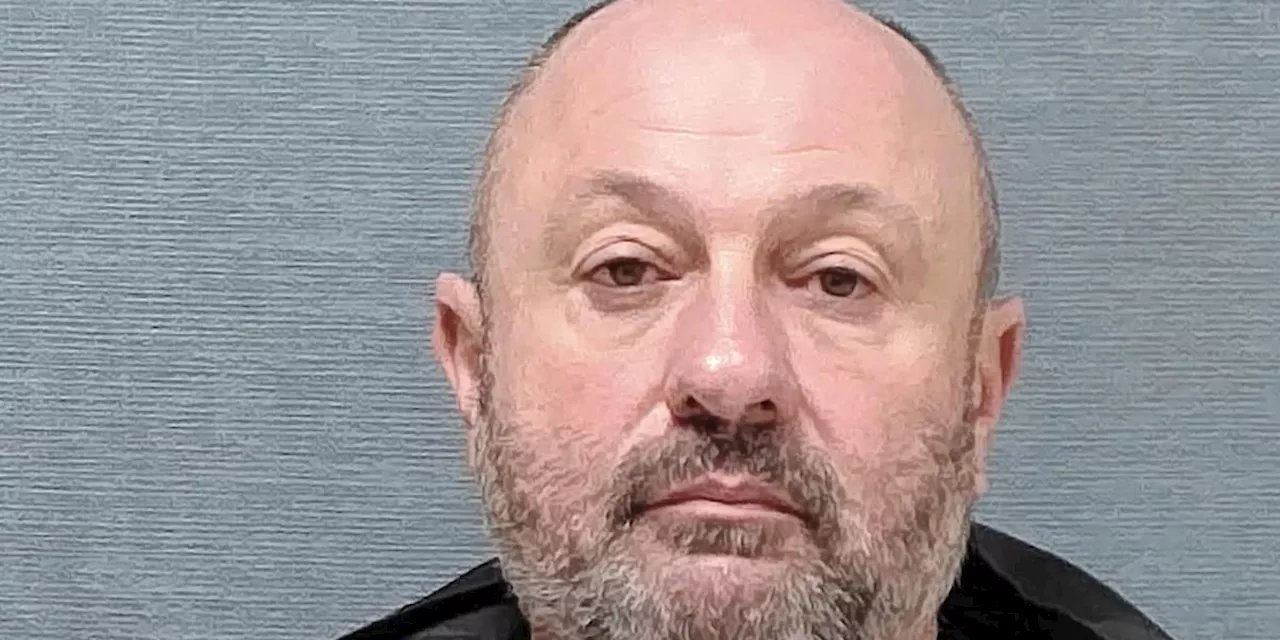 Daniil Shoyfer
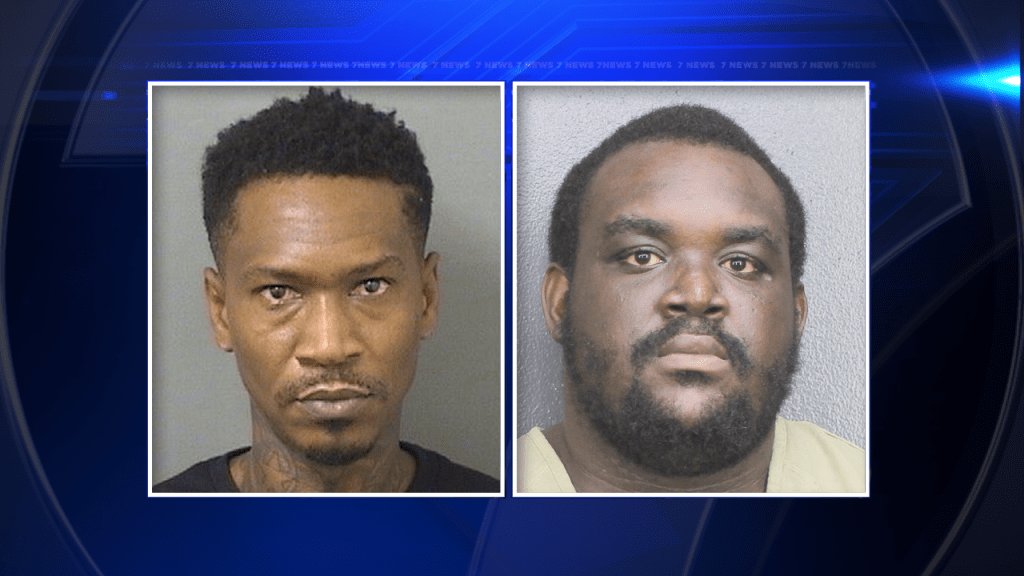 Simon Stepsys