
The federal class-action lawsuit targeting Donald Trump's promotion of ACN was dismissed on January 11, 2024, by the Southern District of New York. This ruling ended a years-long legal battle initiated by plaintiffs Lynn Chadwick, Markus Frazier, and Catherine McKoy.
The plaintiffs had been denied class certification in October 2023. This left them with individual common law and statutory claims under California, Maryland, and Pennsylvania law. Their combined out-of-pocket losses totaled approximately $7,000, a figure that significantly impacted the case's feasibility moving forward.
The original complaint, filed in 2018, sought to hold The Trump Corporation, Donald J. Trump, Donald Trump Jr., Eric Trump, and Ivanka Trump accountable for endorsing ACN, a multi-level marketing company. ACN sells telecommunications, energy, and other services through a network of independent business owners. The lawsuit alleged racketeering violations, claiming Trump's endorsements misled individuals about the income potential from joining ACN.
Federal RICO claims against the defendants were initially tossed in 2019. Trump's children were subsequently removed as defendants in June 2023. The denial of class certification four months later narrowed the case further, transforming it from a large group action into a dispute involving only three individuals.
Following the class certification denial, Trump's legal team moved to either transfer the case to each plaintiff's home state or dismiss it entirely. Plaintiffs opposed the transfer at a November 2023 hearing, arguing it would complicate their appeals on the earlier RICO and class certification rulings. The Southern District of New York, however, did not accept this argument.
The court noted that while discovery had concluded and some motions were decided, retaining the case made little sense from an efficiency standpoint. Summary judgment on the three states' claims still required adjudication. Pre-trial filings, a final conference, and trial rescheduling all remained on the docket. With only three plaintiffs asserting state-specific claims, the court concluded that federal court was not the appropriate venue for such a limited scope. This decision led to the January 11th order of dismissal.
Plaintiffs Chadwick, Frazier, and McKoy retain the option to refile their individual claims in their respective state courts. Given the modest individual damages at stake, the financial burden of pursuing these claims in state court could be prohibitive. Such small recovery often discourages further legal action.
On January 17, Chadwick, Frazier, and McKoy filed an appeal of the federal court's dismissal. Raj K. Patel, who was not a party to the original lawsuit, filed a separate, parallel appeal two days later on January 19. Both appeals eventually stalled. The three plaintiffs withdrew their appeal on August 7, and Patel's appeal also appears to have concluded without further action.
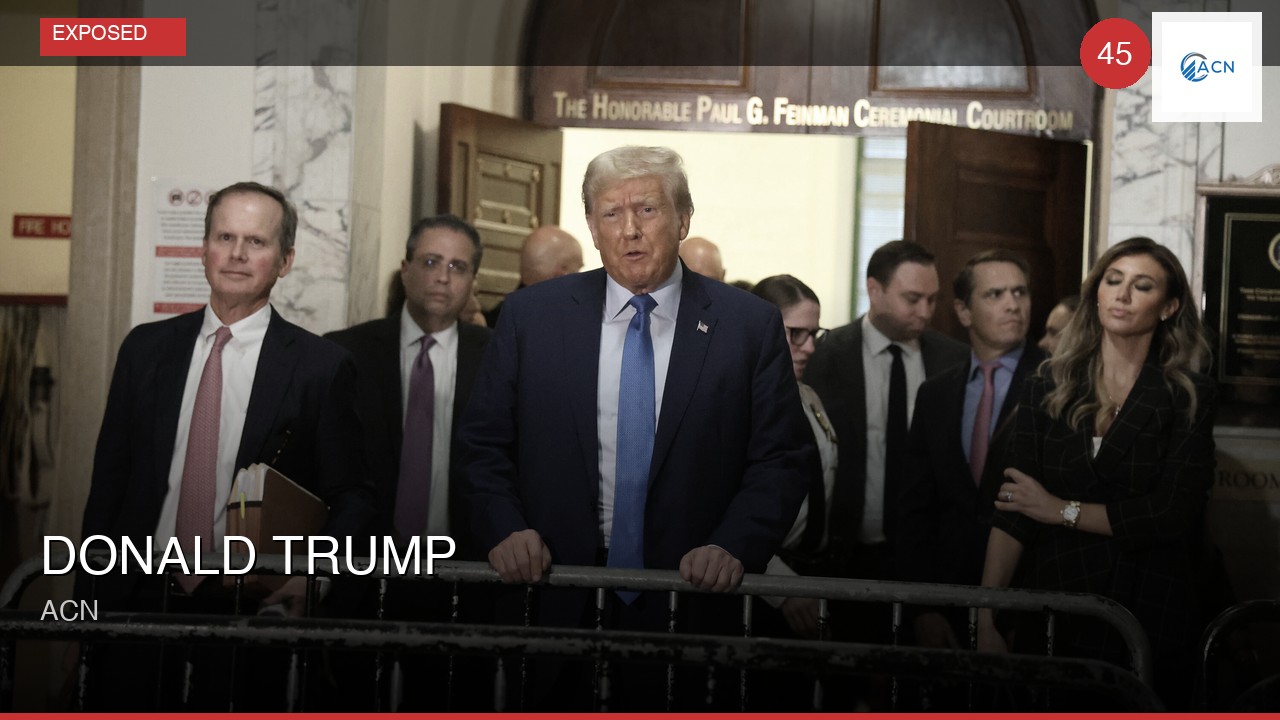 Donald Trump
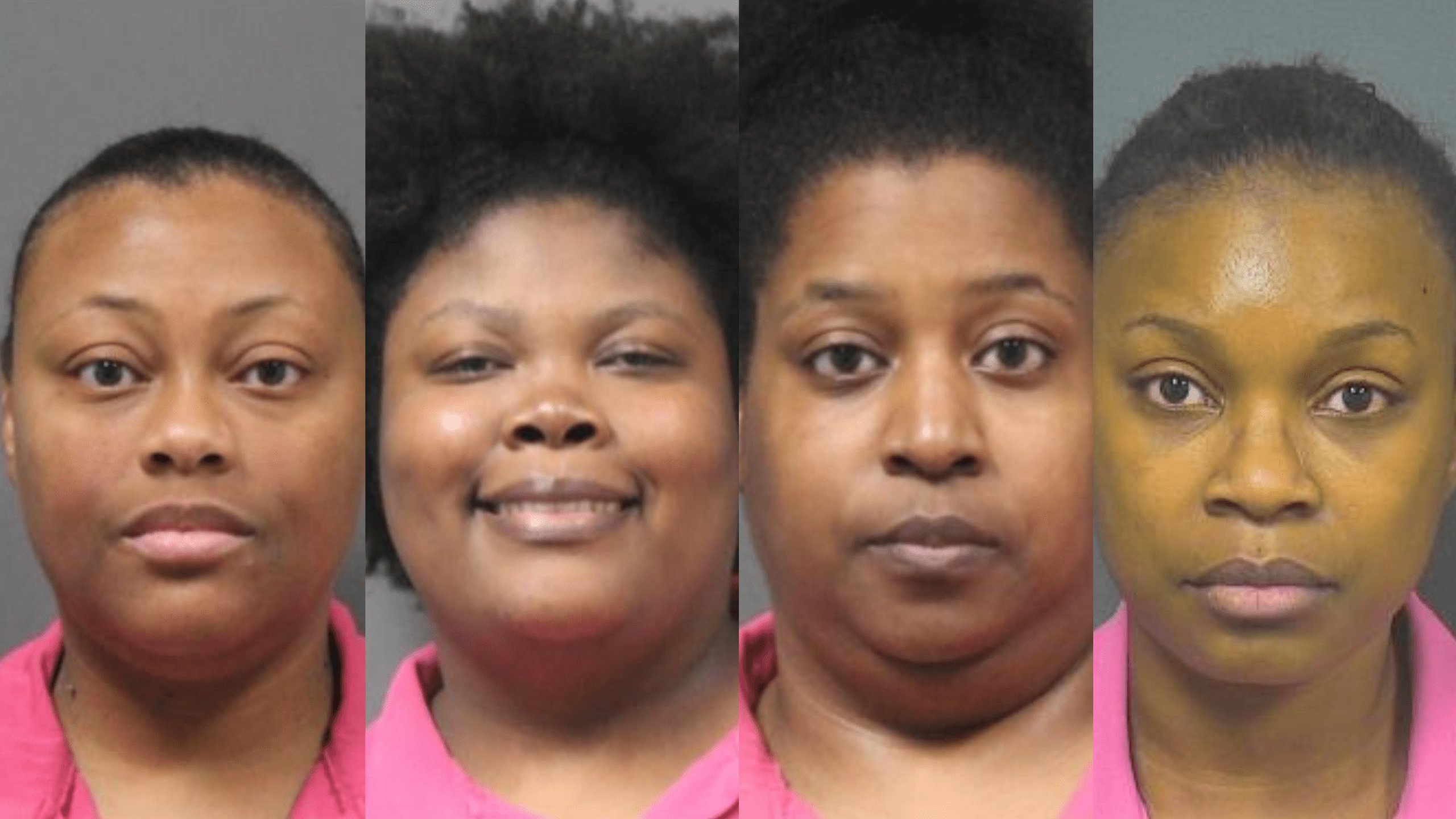 Lynn
Lynn