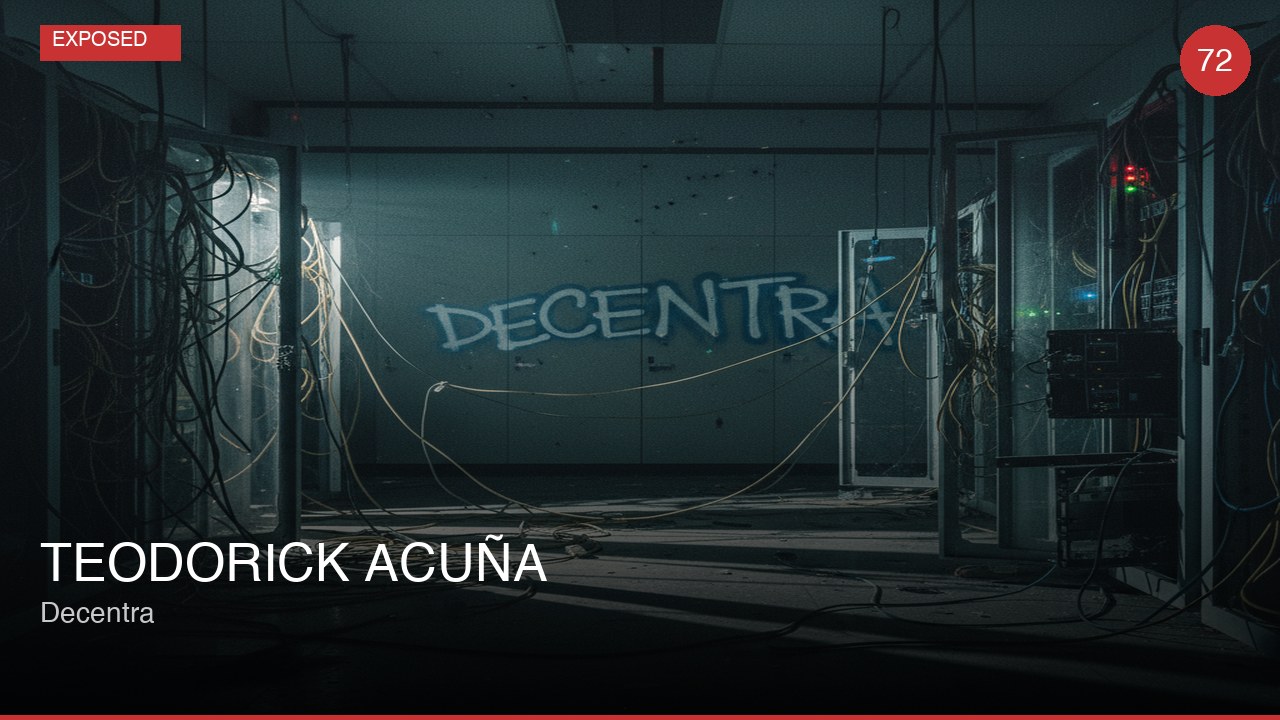
Nineteen individuals promoting the Decentra Ponzi scheme were arrested in the Philippines on June 10. The Philippine Securities and Exchange Commission (SEC) issued a public warning against the alleged fraudulent investment program three days later, on June 13. These arrests stemmed from an email tip concerning unauthorized investment solicitation activities.
The SEC quickly authorized a joint entrapment operation. Teams from the Philippine National Police Anti-Cybercrime Group (PNP-ACG) and the Enforcement and Investor Protection Department (EIPD) collaborated. Authorities moved in during a promotional event at a hotel in Quezon City. Promoters were actively soliciting investments without a proper license, presenting their scheme as a legitimate business opportunity.
The arrested individuals include Arnel Laxa, Michael Anderson, Arnold Black, Rodolfo A. Asadan, Roberto A Betinol, Fritzie Abalde, Nely Carvajal, Wyndell Español, Jenny A Tampulan, Alice Fabroa, Lawrence Ruiz, Kieth Reñola, Mary Joy Mendoza, Joy Esclamado, Rose Marie Razon, Analiza Narvaez, Warpath Chu, Teodorick Acuña, and Fe Paglingayen. Two of these individuals are foreign nationals. They face charges for violating Sections 8.1, 26.3, and 28 of Republic Act No. 8799, known as the Securities Regulation Code. These sections prohibit the public offering of securities without prior registration and a valid license from the SEC.
Decentra offered several online investment packages, requiring an initial membership fee of 99.95 Tether (USDT). Participants were promised returns as high as 120 percent, contingent on their chosen package and the number of new recruits they brought into the scheme. The EIPD's June 13 advisory confirmed Decentra was not registered with the commission as a corporation, partnership, or one-person entity. It also lacked the secondary license necessary for soliciting investments from the public, a clear violation of the Securities Regulation Code.
Investigators noted that some local promoters involved in Decentra had previously worked for Crowd1, another Ponzi scheme. Crowd1, like Decentra, operated from Dubai. Philippine authorities identified Crowd1 as a scam in June 2020 and banned its operations. That regulatory ban was reaffirmed just last month, underscoring the SEC's ongoing vigilance against such schemes.
Jonathan Sifuentes, Decentra's founder, relocated to Dubai after his arrest in Mexico in January 2022. He subsequently rebooted his previous Xifra Lifestyle scheme as Decentra while based in the United Arab Emirates. Dubai has gained a reputation as a relatively permissive jurisdiction for multi-level marketing and cryptocurrency-related schemes, often attracting operators seeking to avoid stricter regulations elsewhere. This environment complicates international enforcement efforts against such illicit financial activities.
Sifuentes has not personally appeared at Decentra's promotional events since fleeing to Dubai. The company held a launch event in Dubai last month, followed by another in Mexico, a country where a significant number of Xifra Lifestyle investors had been recruited. Instead of Sifuentes, Shane Morand, a US citizen and former Organo Gold executive, fronted these events. Morand moved to Dubai earlier this year to join Decentra's executive team.
Sifuentes also faces regulatory action in the United States, though the extent of investigations into Xifra Lifestyle and Decentra by US authorities remains publicly undisclosed. Decentra's website traffic data from SimilarWeb shows its top sources are Martinique (55%), Colombia (24%), Ecuador (9.5%), Spain (6%), and Latvia (5%). The high concentration of traffic from Martinique, a small Caribbean island with a population of only 376,480, suggests a targeted and potentially devastating impact on its residents.
The Philippine SEC stated its resolve to combat investment scams across the country. It plans to continue actively pursuing perpetrators of unauthorized investment schemes. The commission also aims to expand investor education programs to improve financial literacy among the public. Individuals found promoting MLM companies engaged in securities fraud in the Philippines face severe penalties, including a fine of up to PHP 5 million (approximately $93,733 USD) or imprisonment for up to twenty-one years.
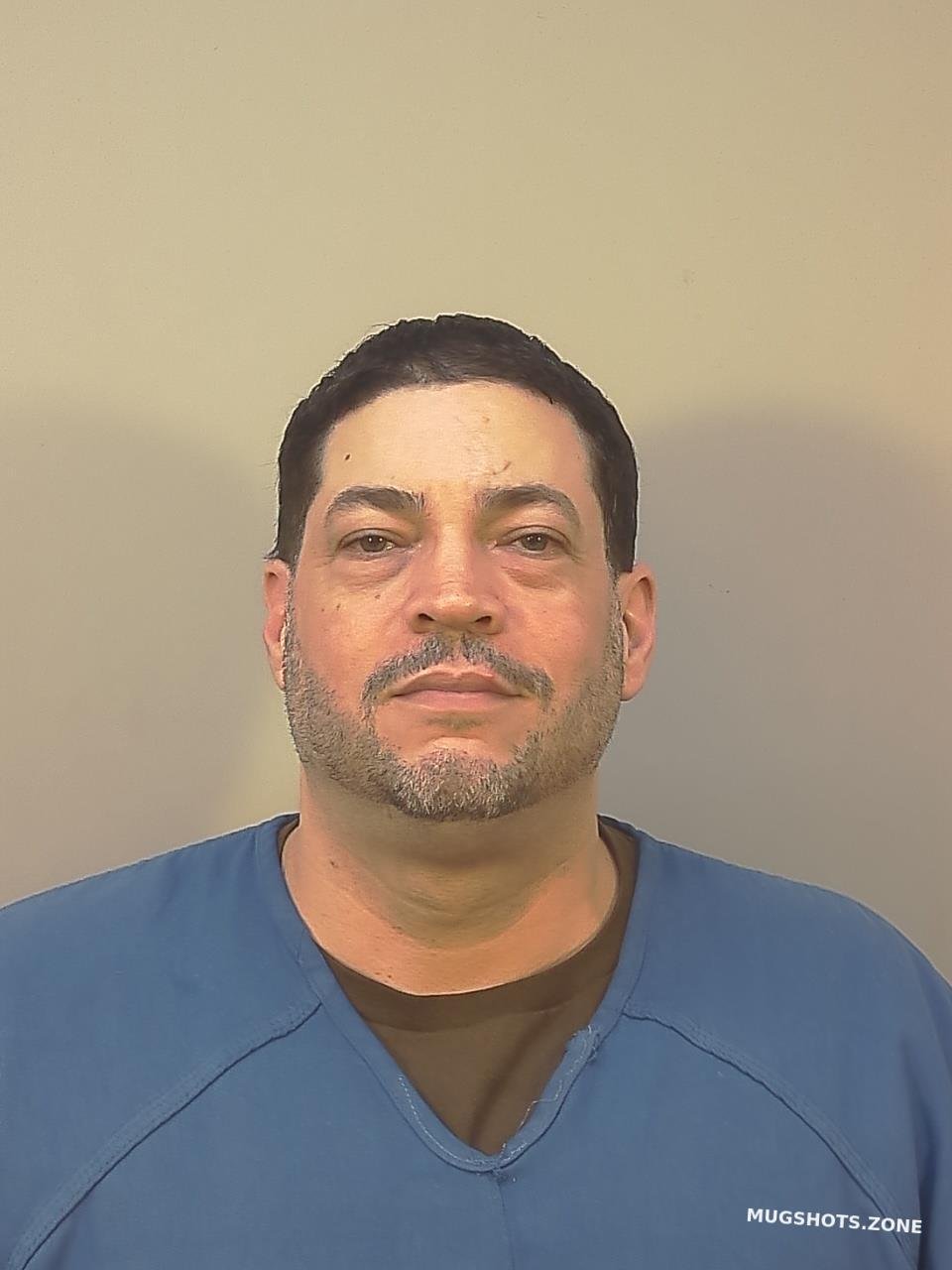 Wyndell Español
 Alice Fabroa
 Michael Anderson
 Jenny A Tampulan
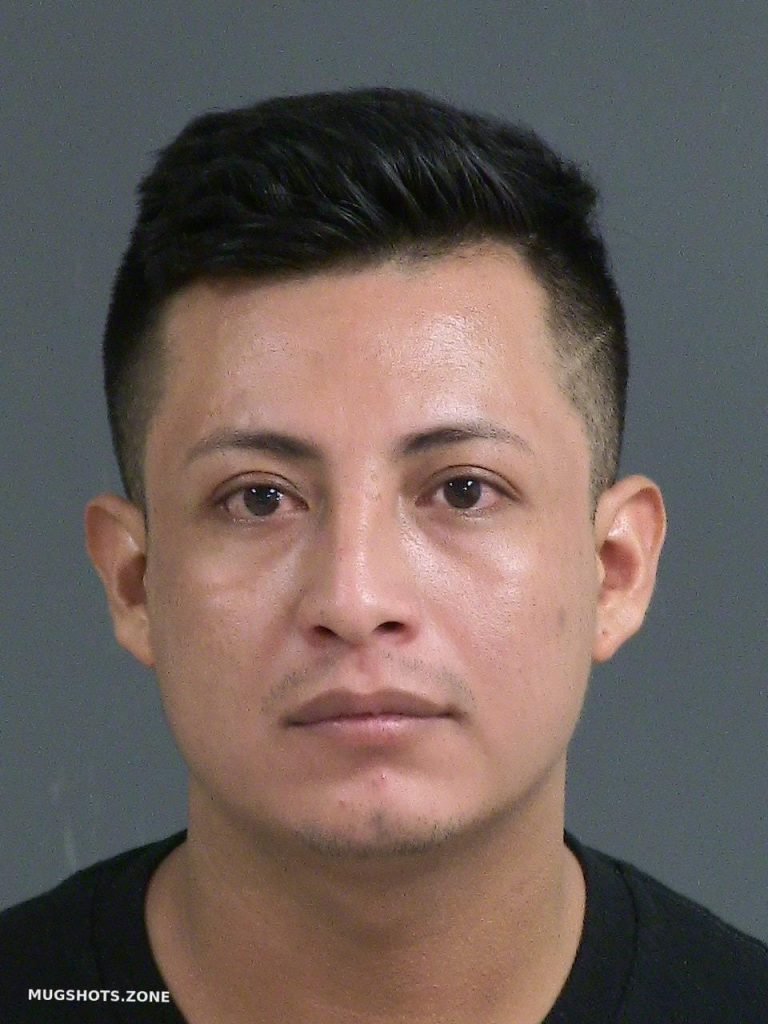 Teodorick Acuña
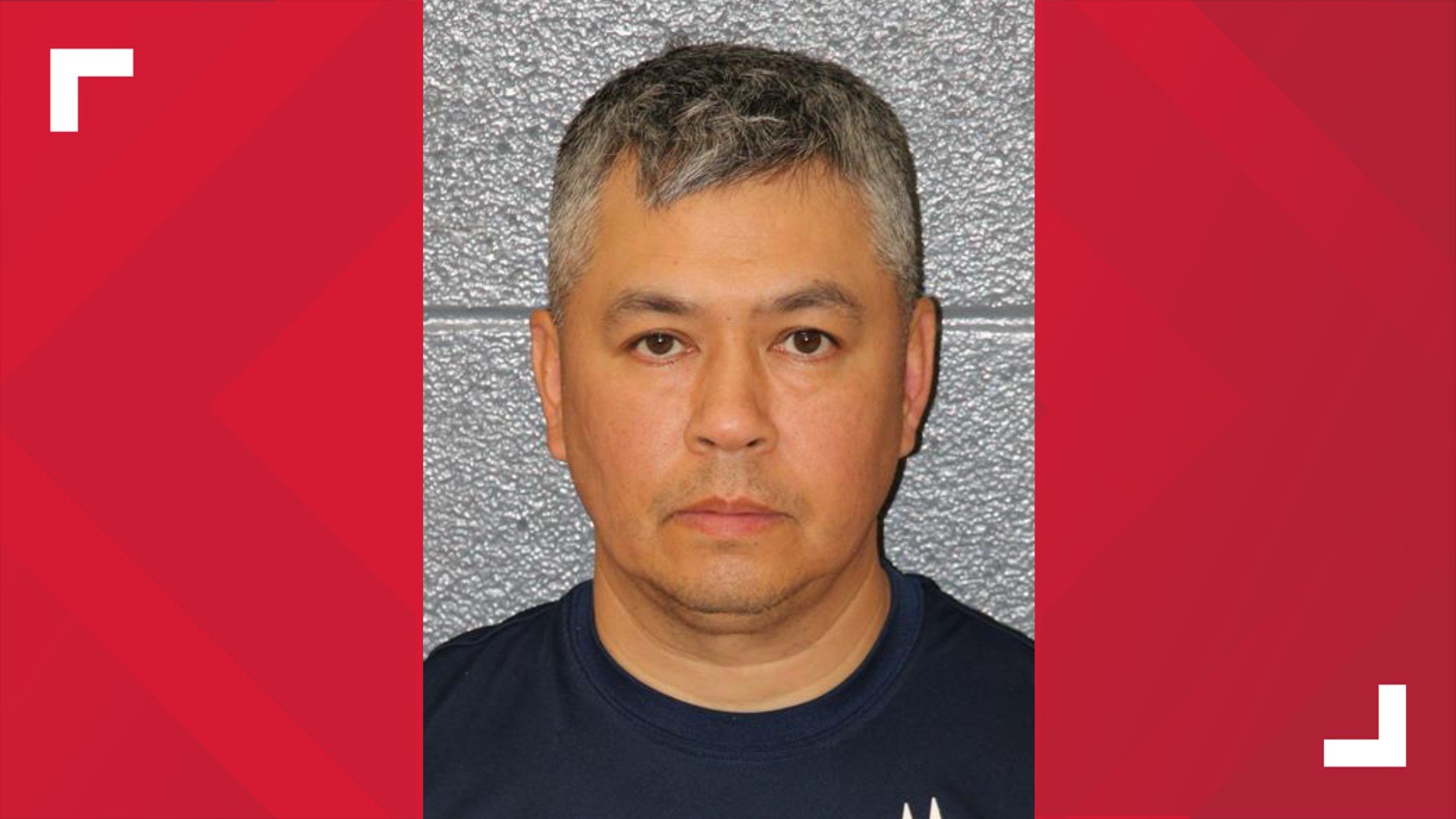 Rodolfo A. Asadan
 Nely Carvajal
 Fritzie Abalde
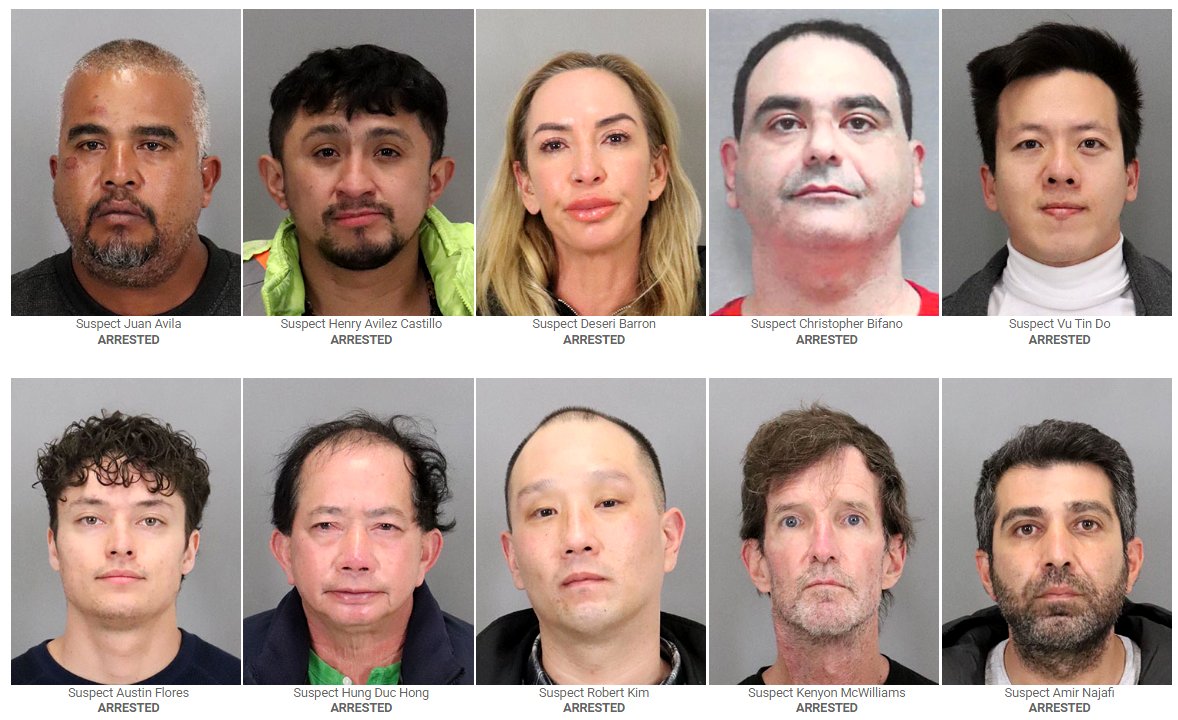 Roberto A Betinol
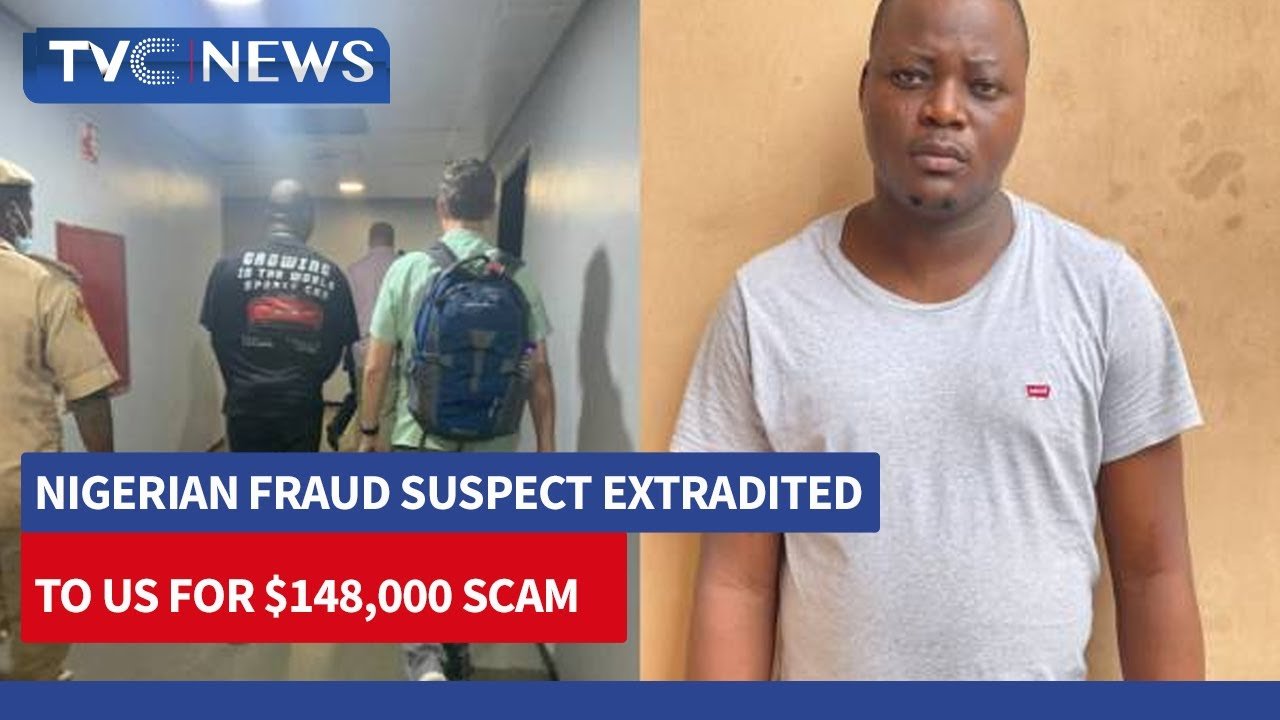 Warpath Chu
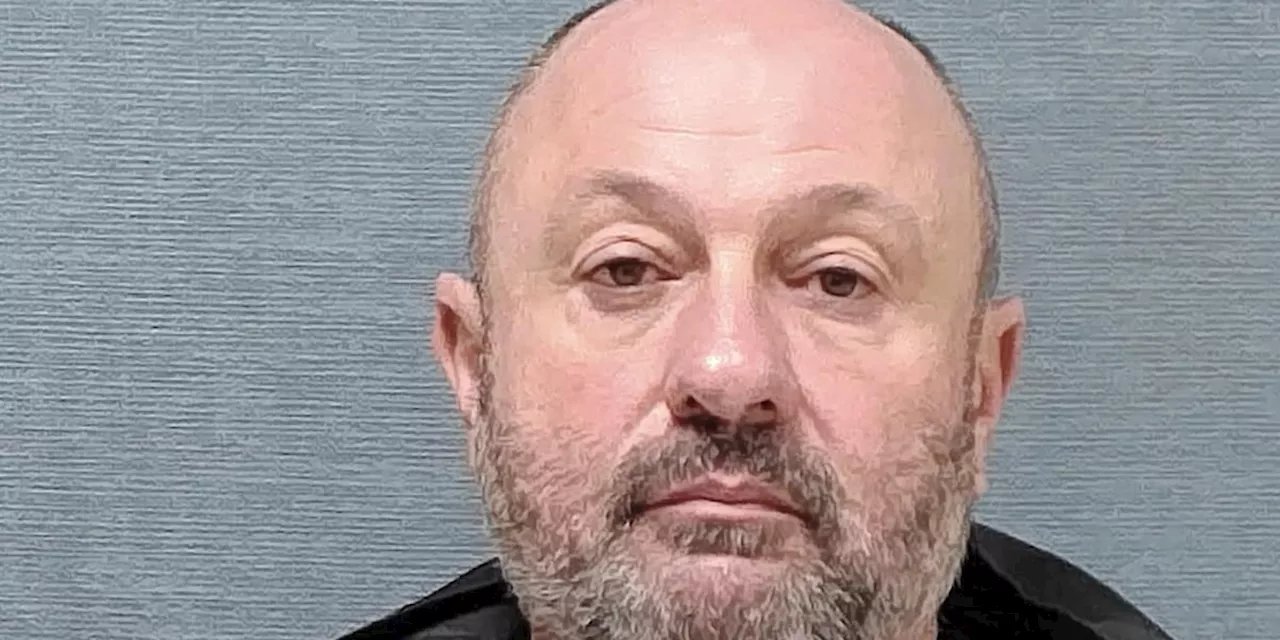 Kieth Reñola
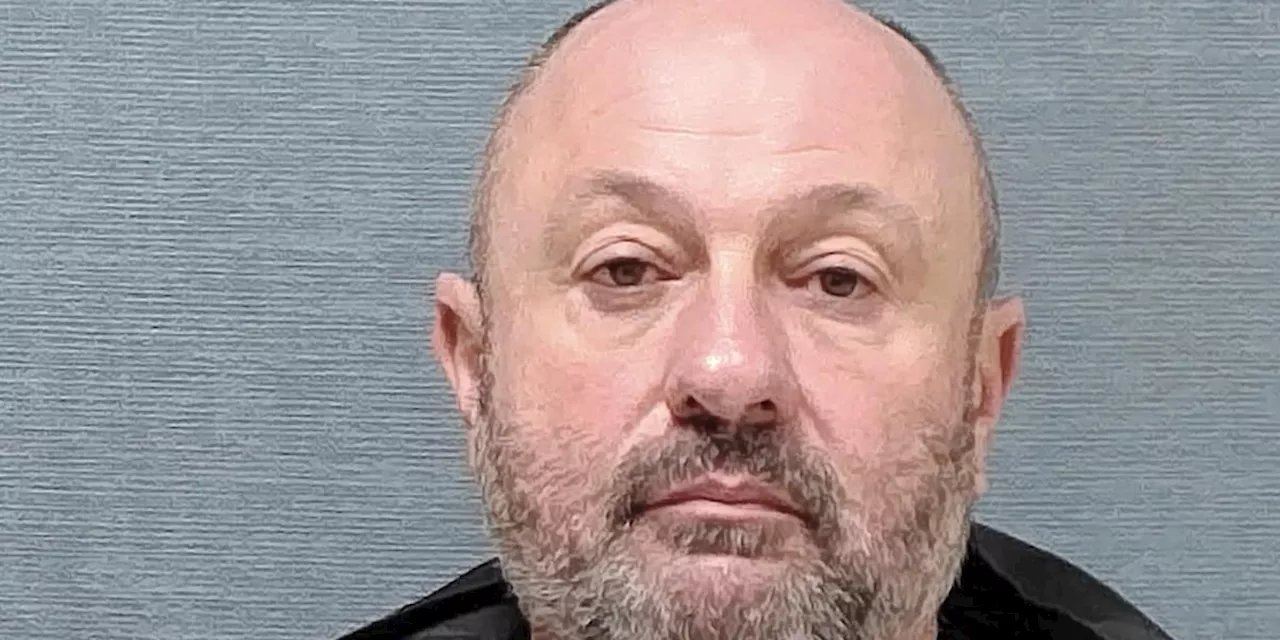 Arnel Laxa
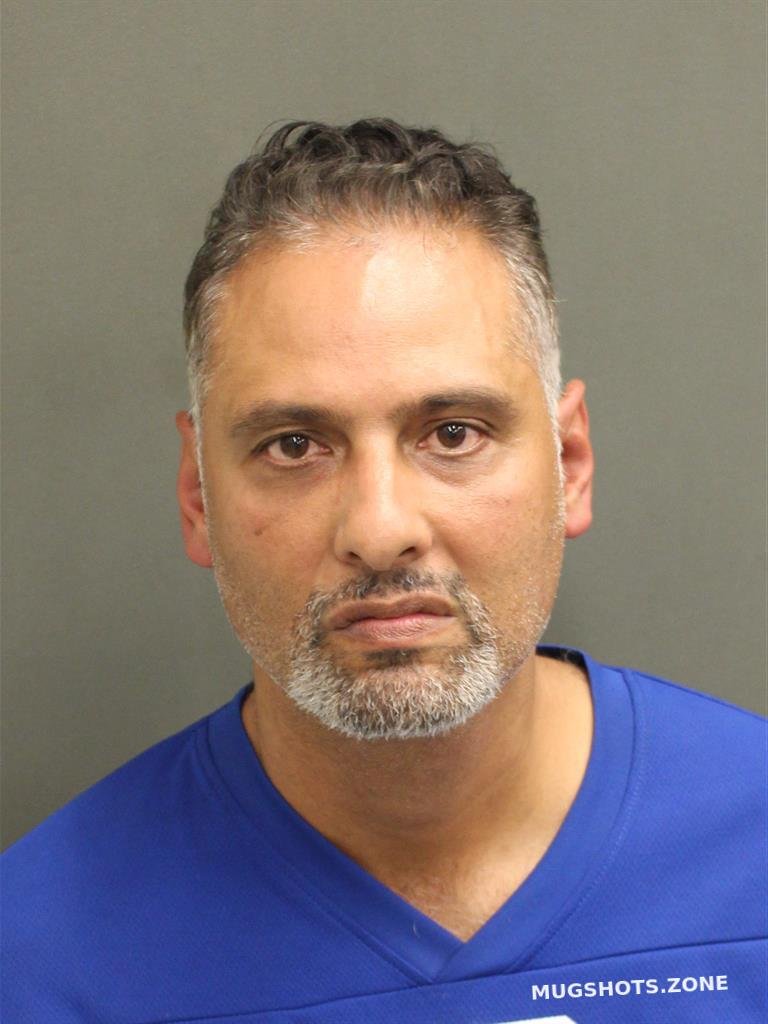 Lawrence Ruiz
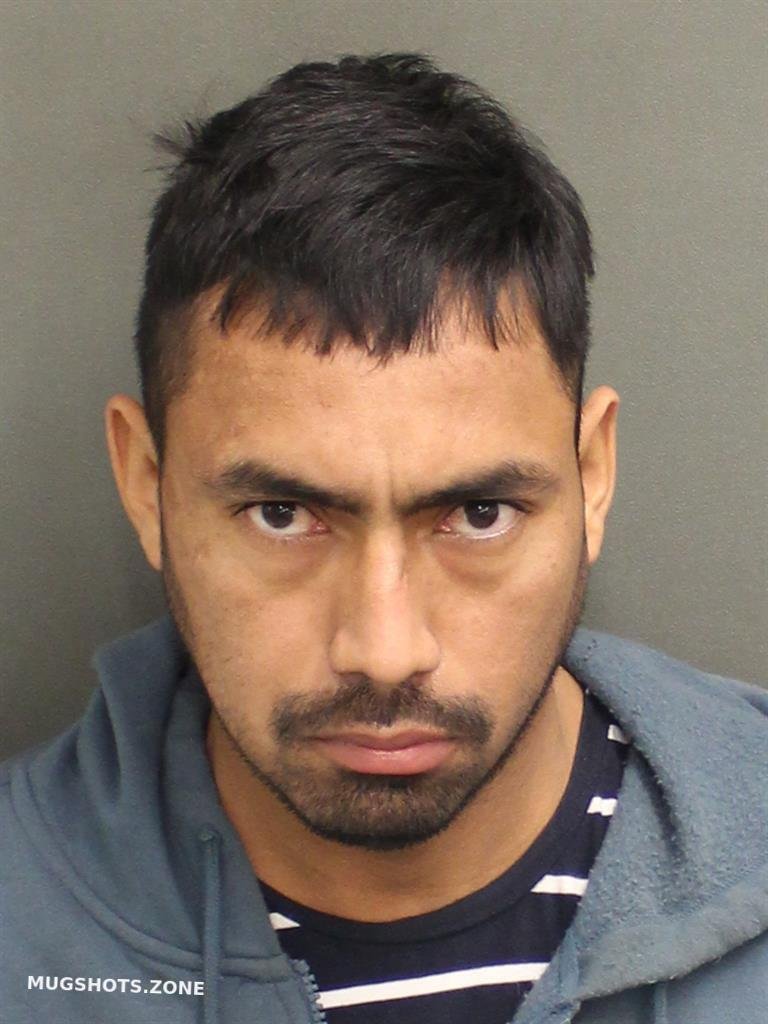 Analiza Narvaez
 Rose Marie Razon
 Fe Paglingayen
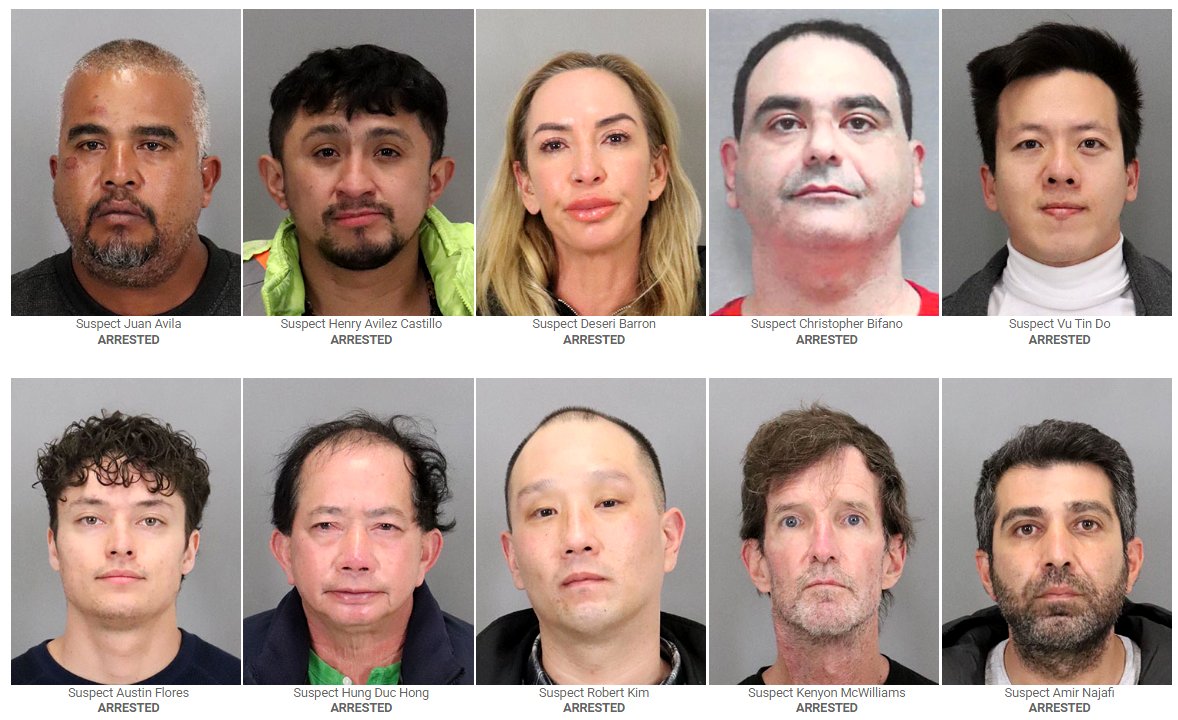 Joy Esclamado
 Arnold Black
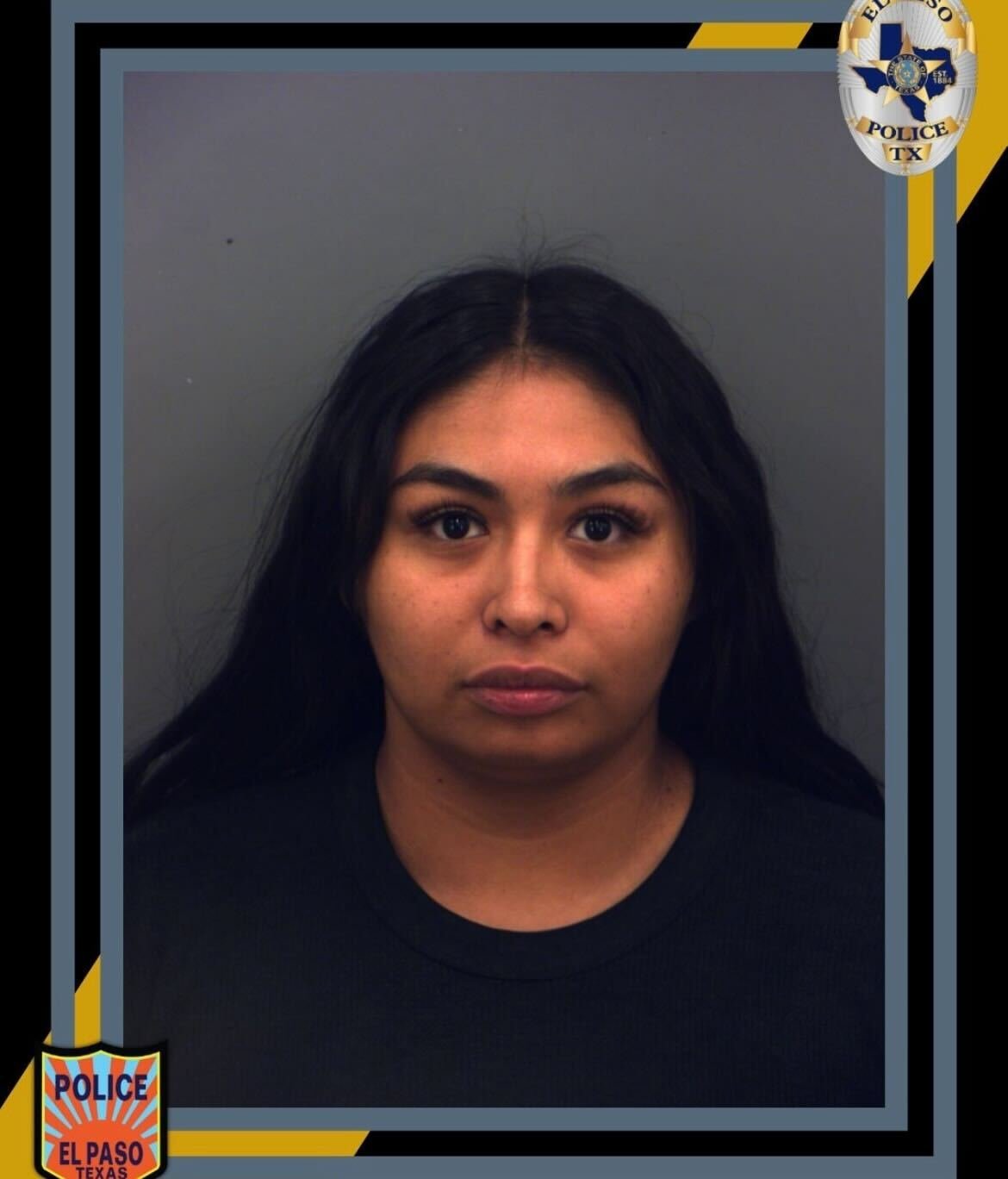 Mary Joy Mendoza